

Endangered Birds and Mammals Tour Report of Gujarat
March 31st
Guest: Ms. Sheila Brougham (x2)
Gujarat is a land that holds an incredible blend of culture, wilderness, and migration magic. From vast salt deserts to coastal mudflats, thorn forests to grasslands, every habitat tells a different story. For Ms. Sheila Brougham and her companion, this journey was not just a tour—it was an unforgettable wildlife adventure across western India.
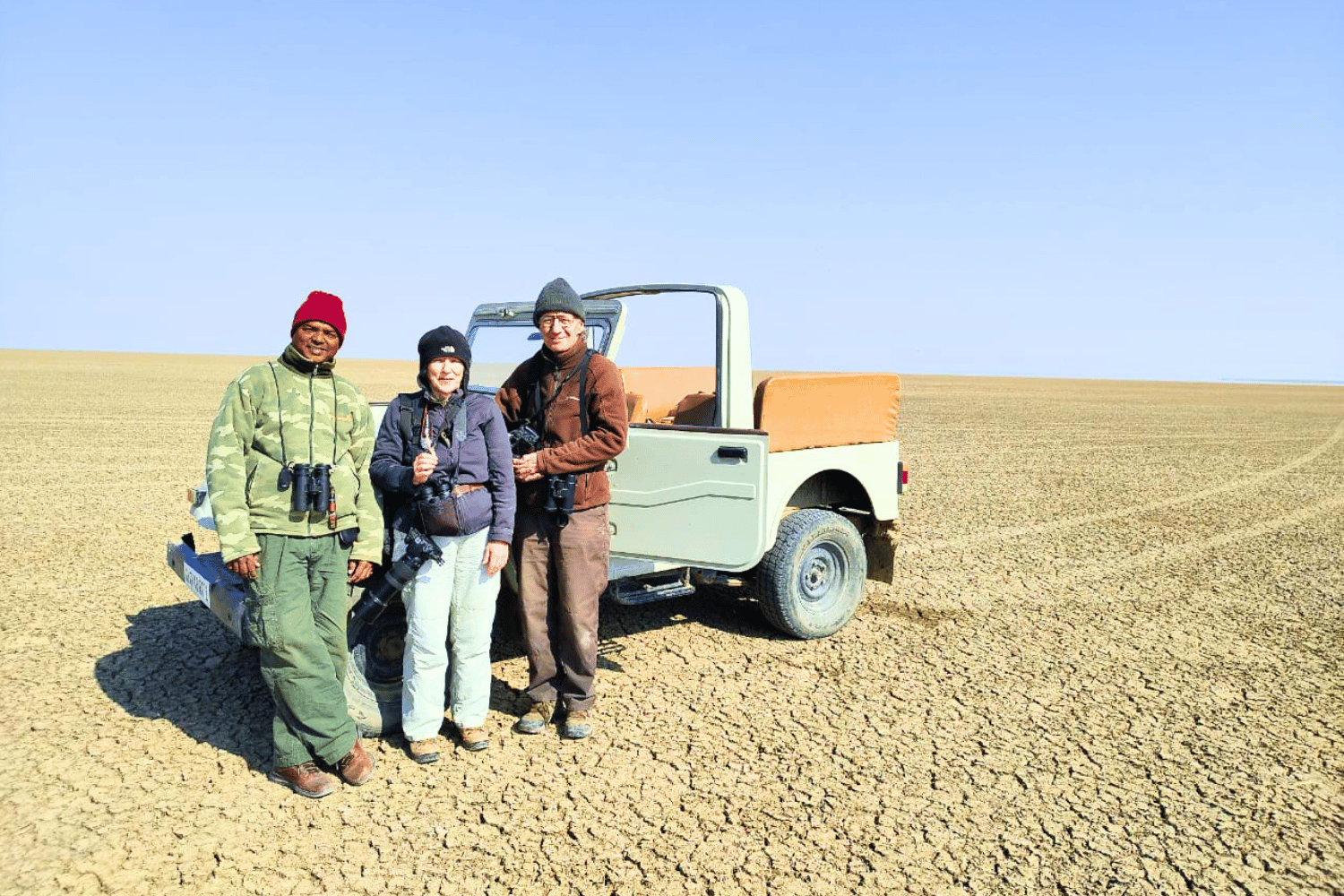 Little Rann Of Kutch
Arrival in Ahmedabad – The Dance of Rosy Starlings
Our journey began in Gujarat’s vibrant capital, Ahmedabad. The city is famous in winter for one spectacular phenomenon—the murmuration of Rosy Starlings. As the sun dipped below the horizon, thousands of Rosy Starlings gathered in swirling formations before settling down to roost. The sky transformed into a living canvas, moving in perfect synchrony. Since we had arrived a day early, we were fortunate to witness this breathtaking natural ballet.
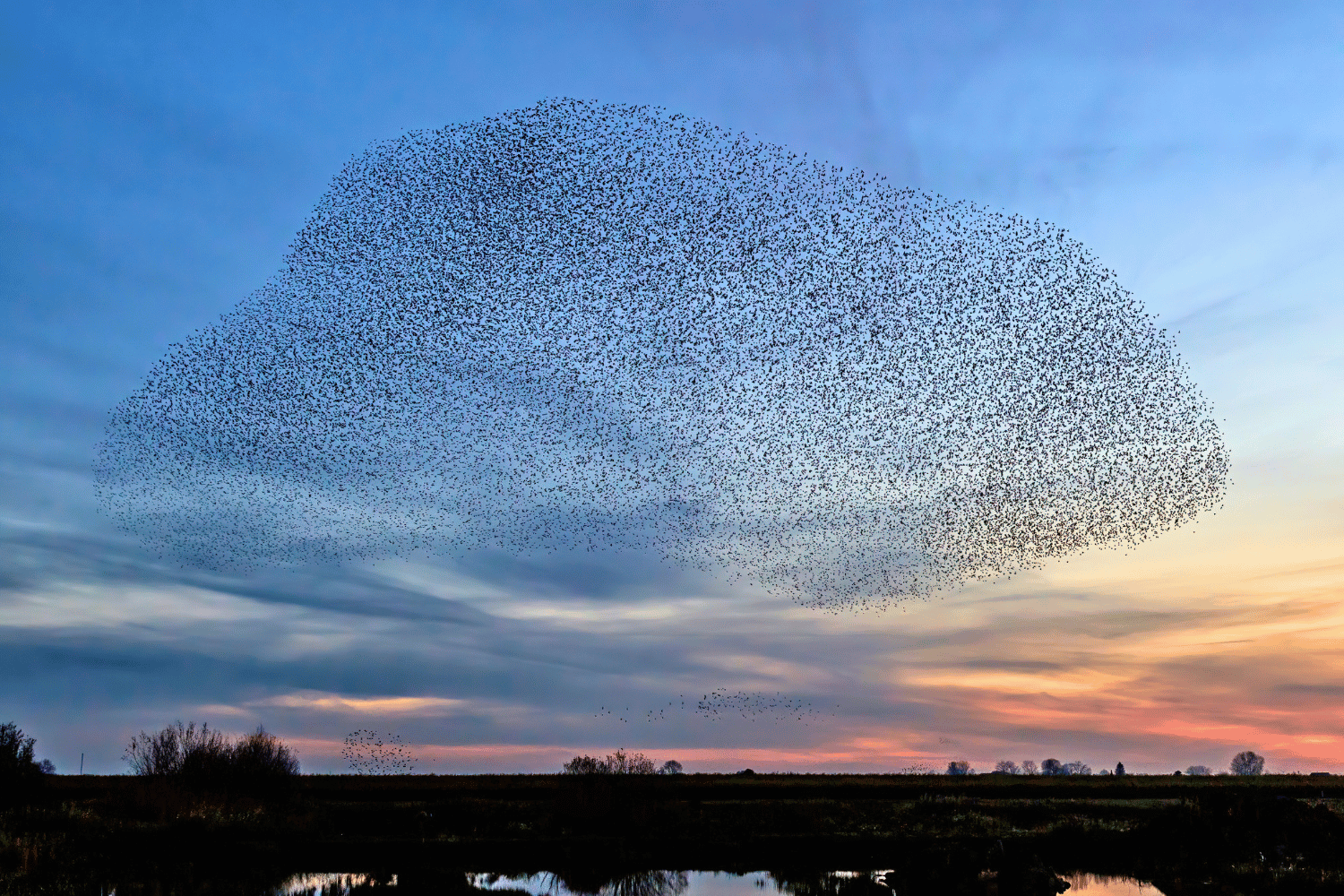 Murmuration of Rosy Starlings
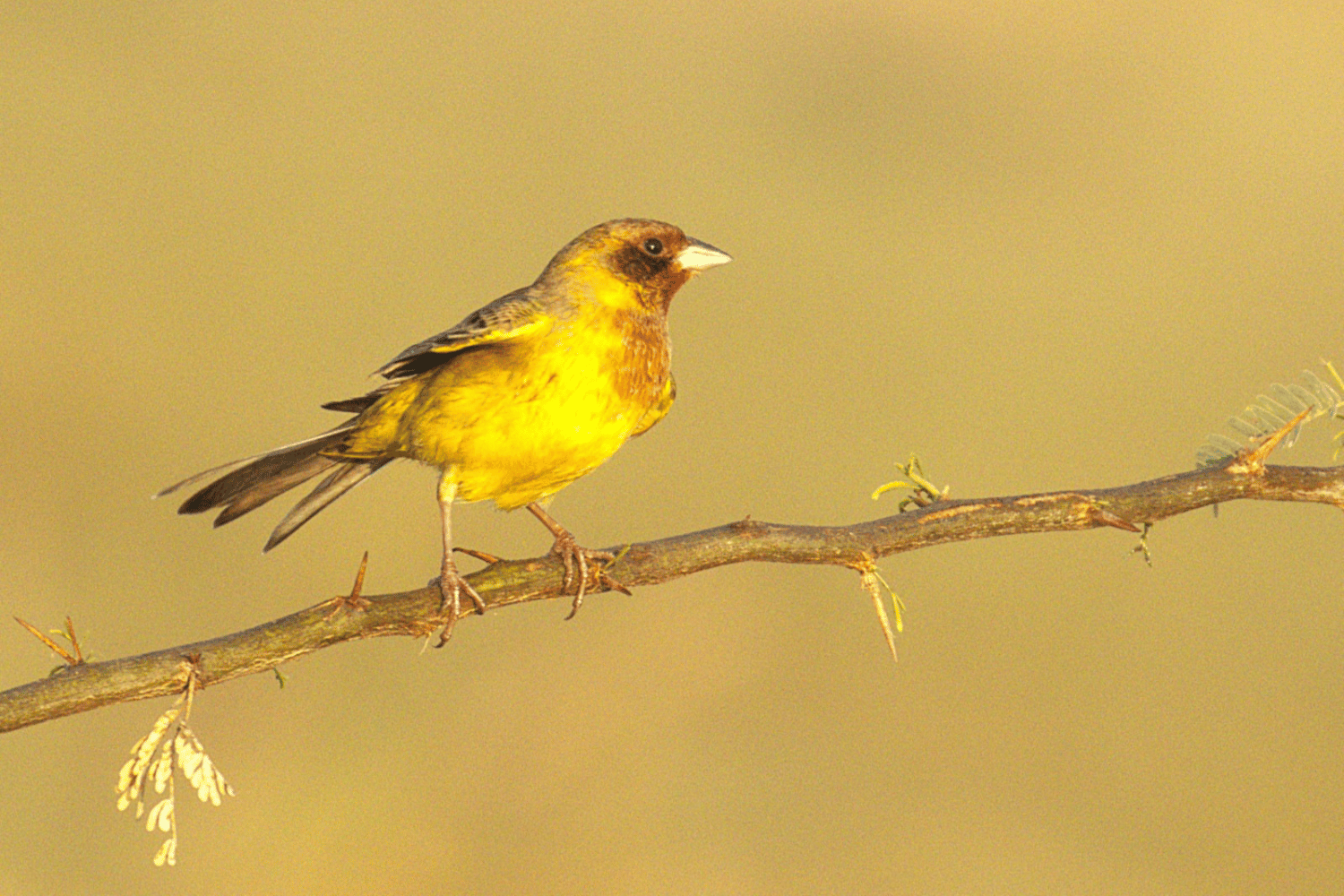
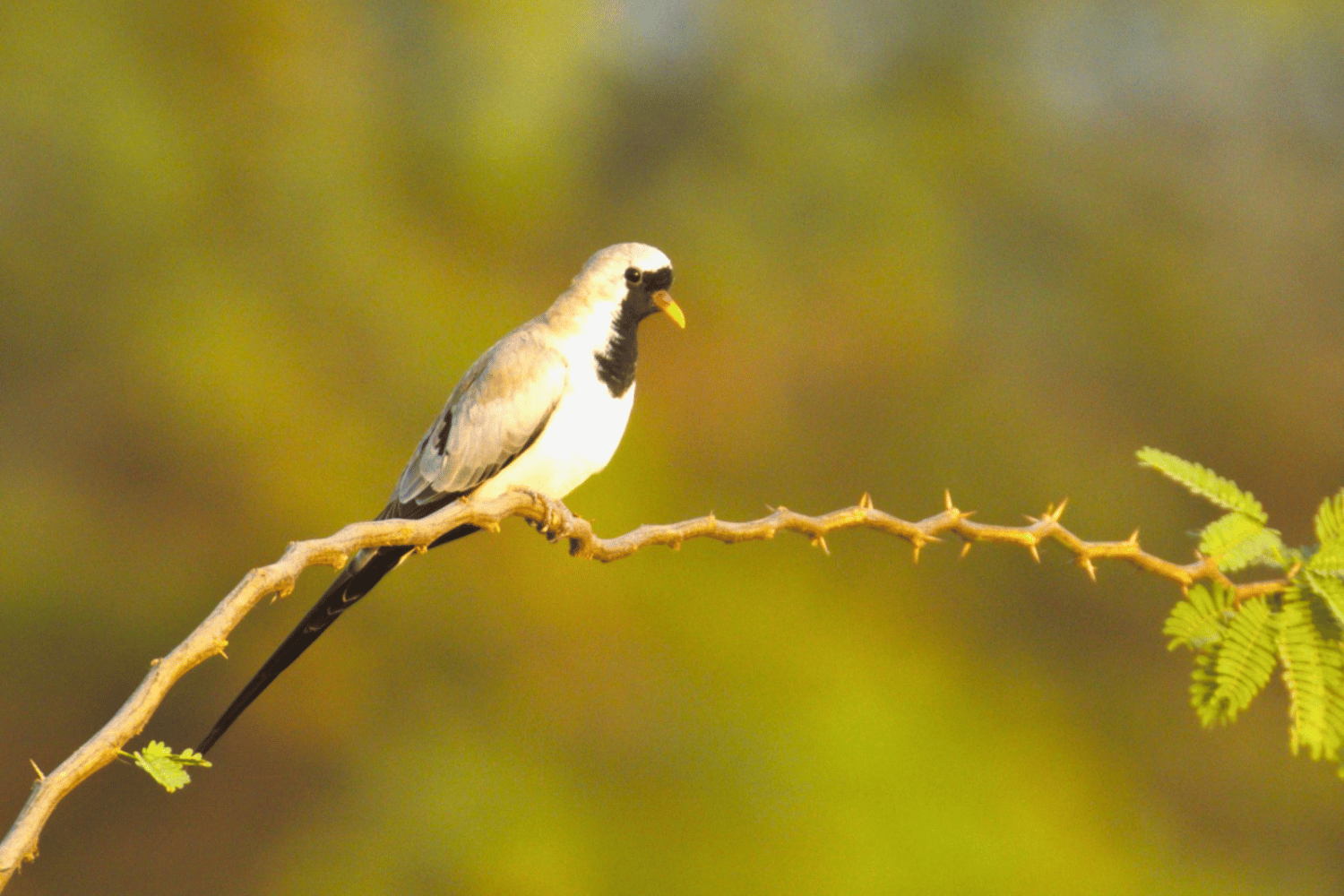
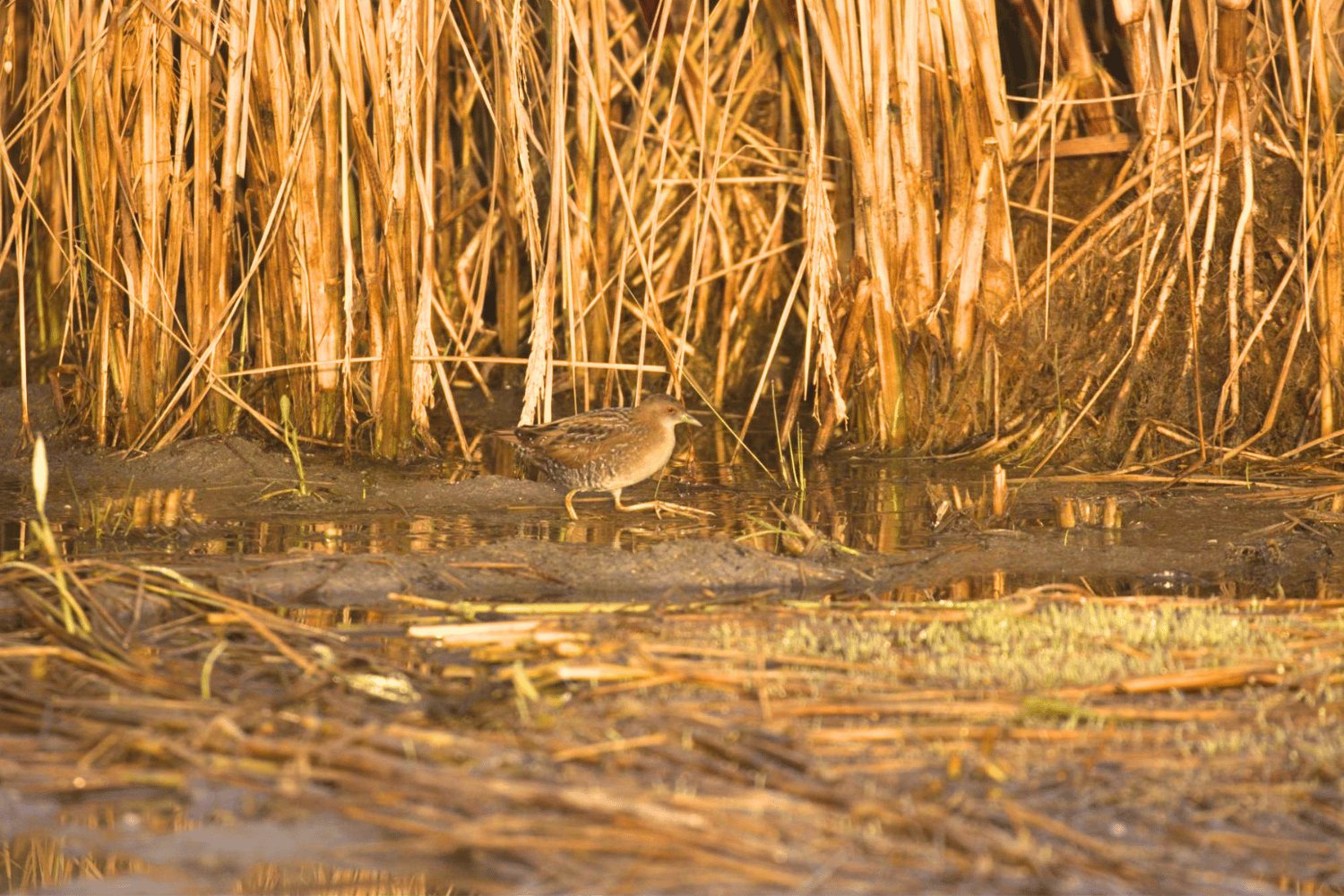
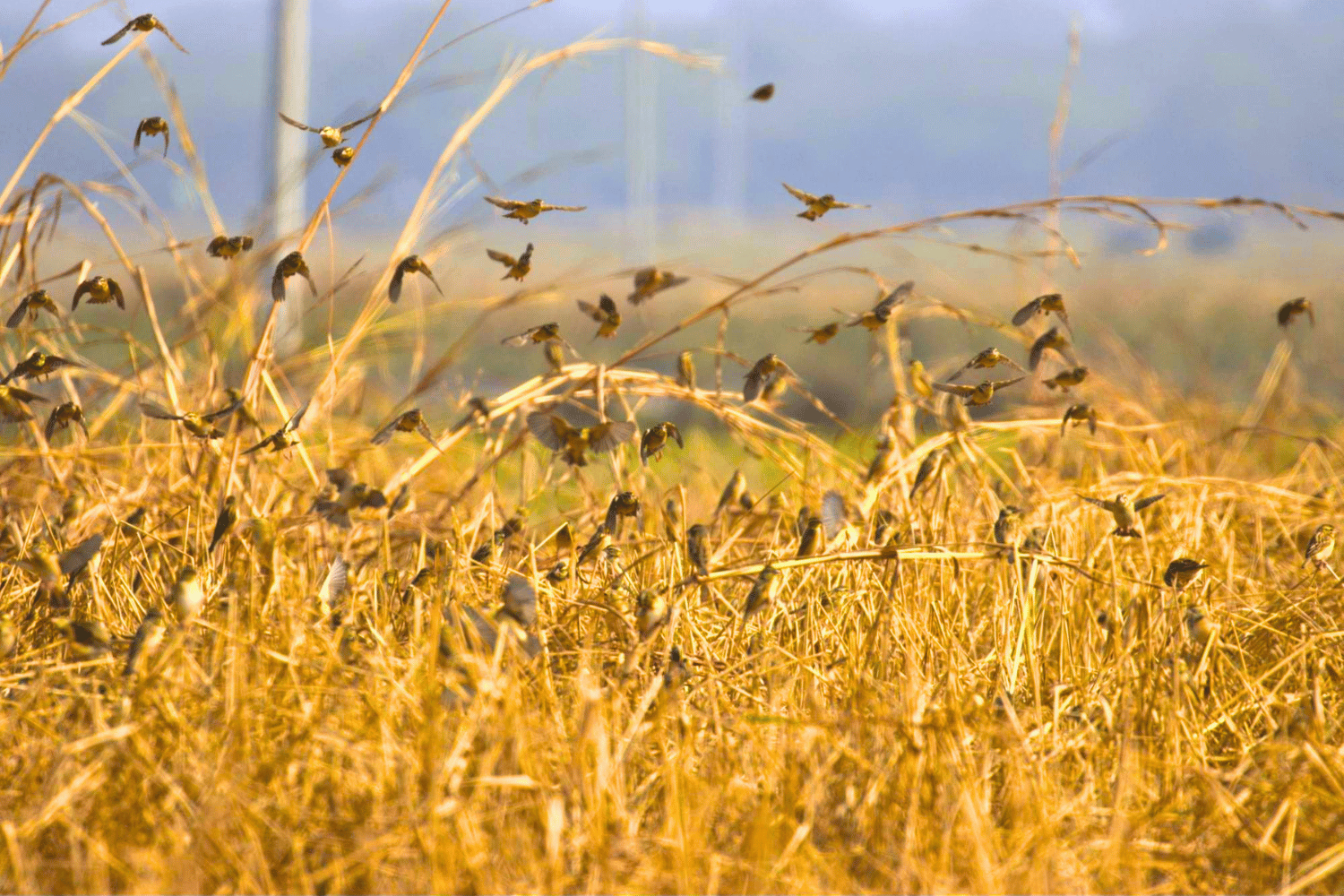
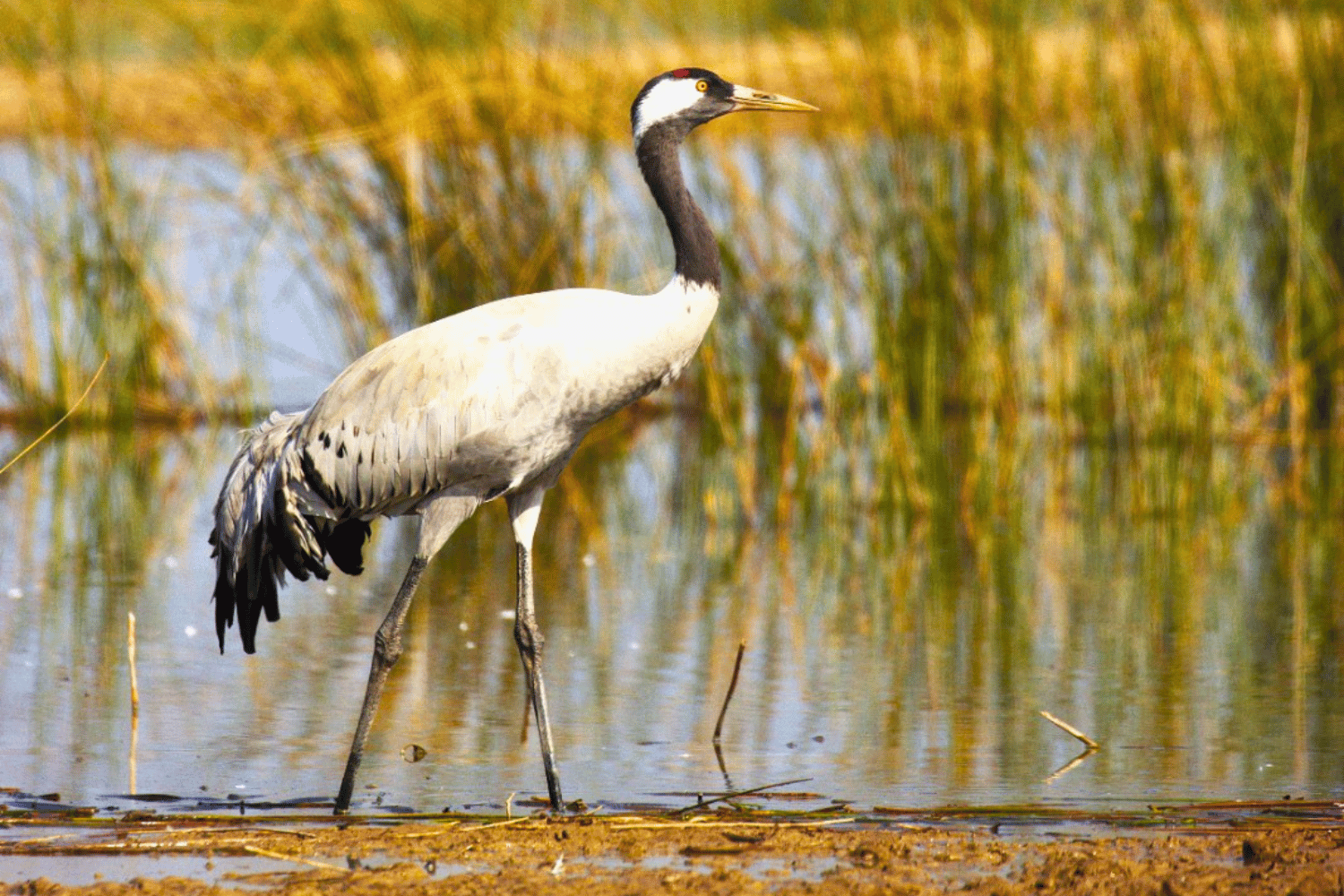
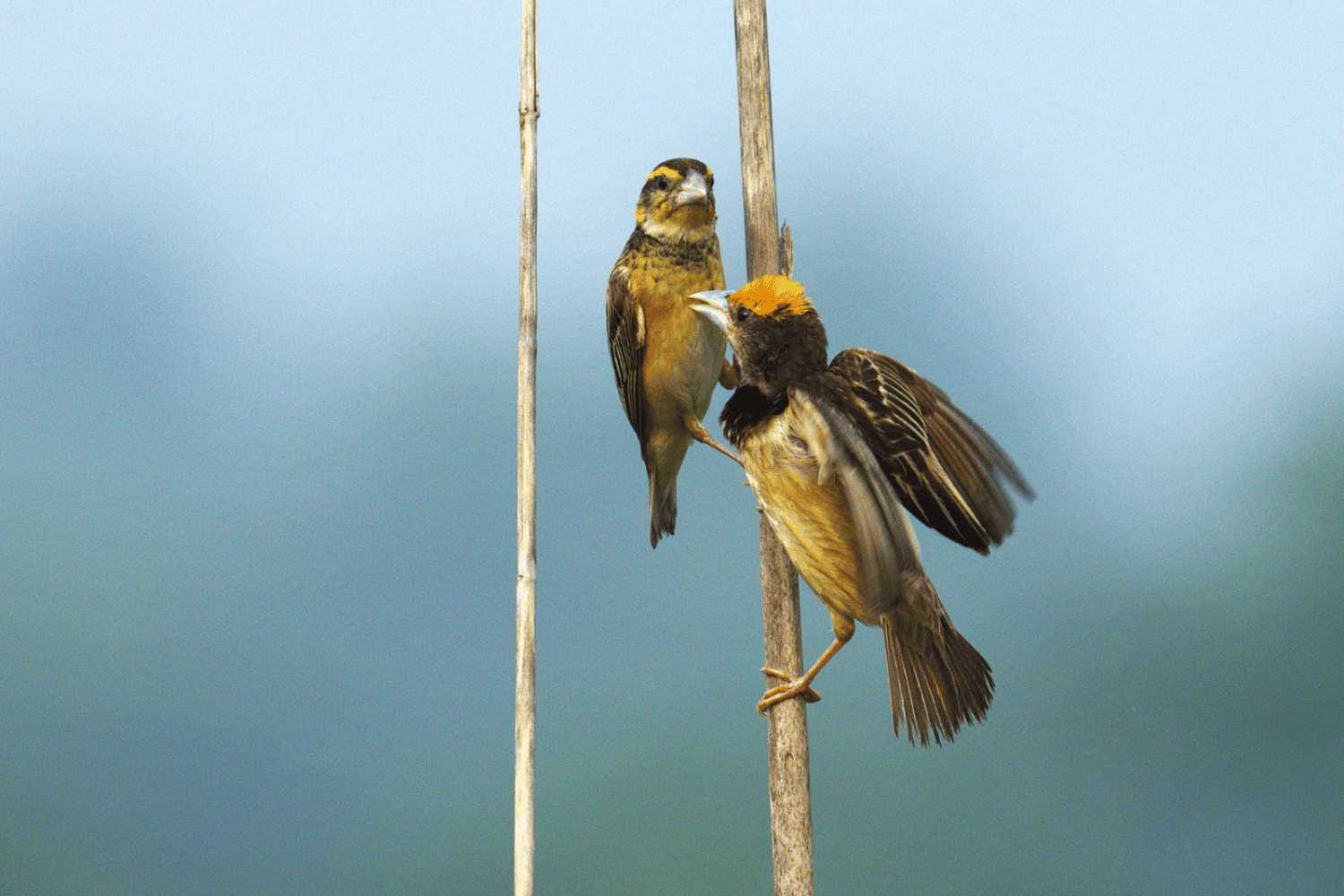
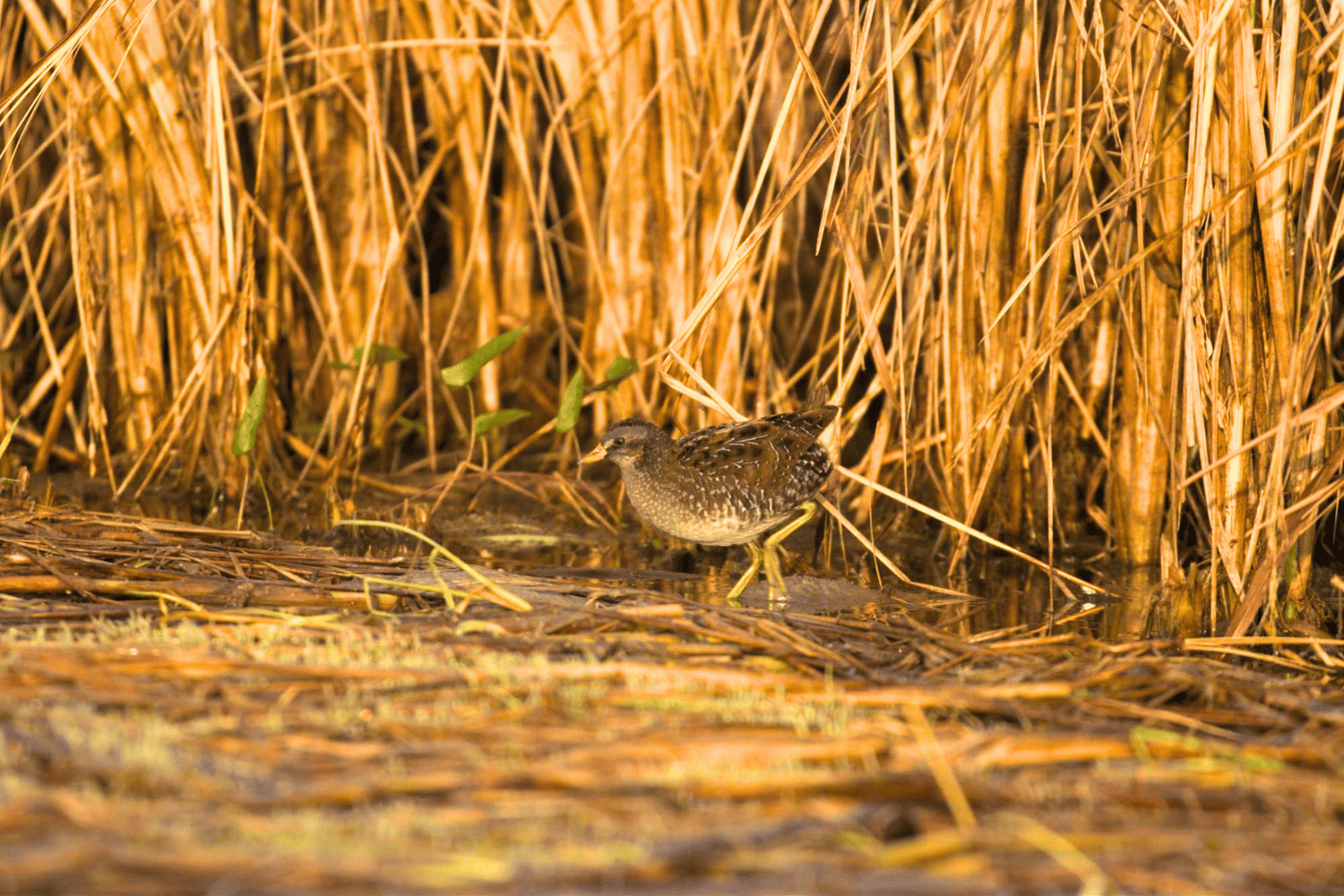
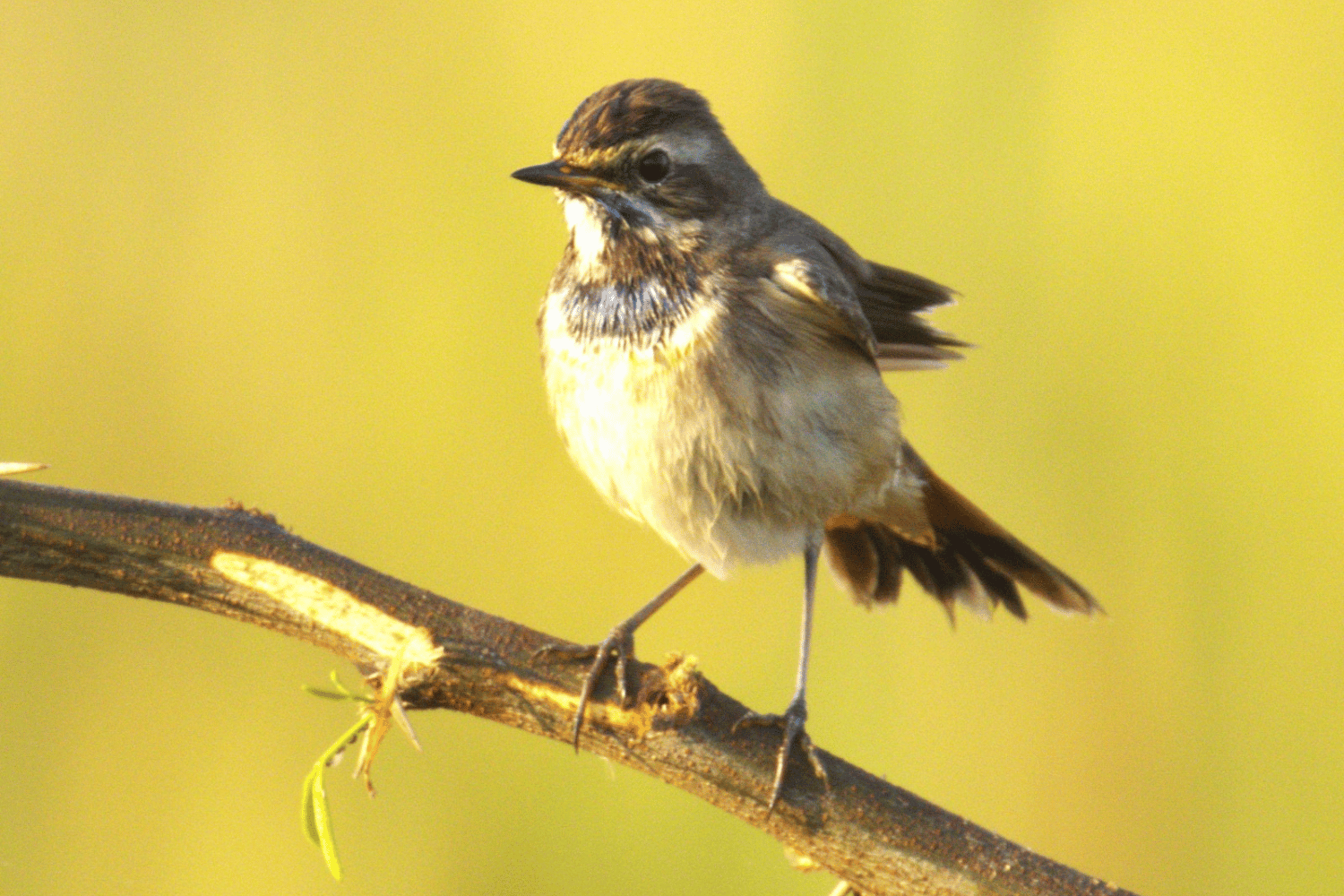
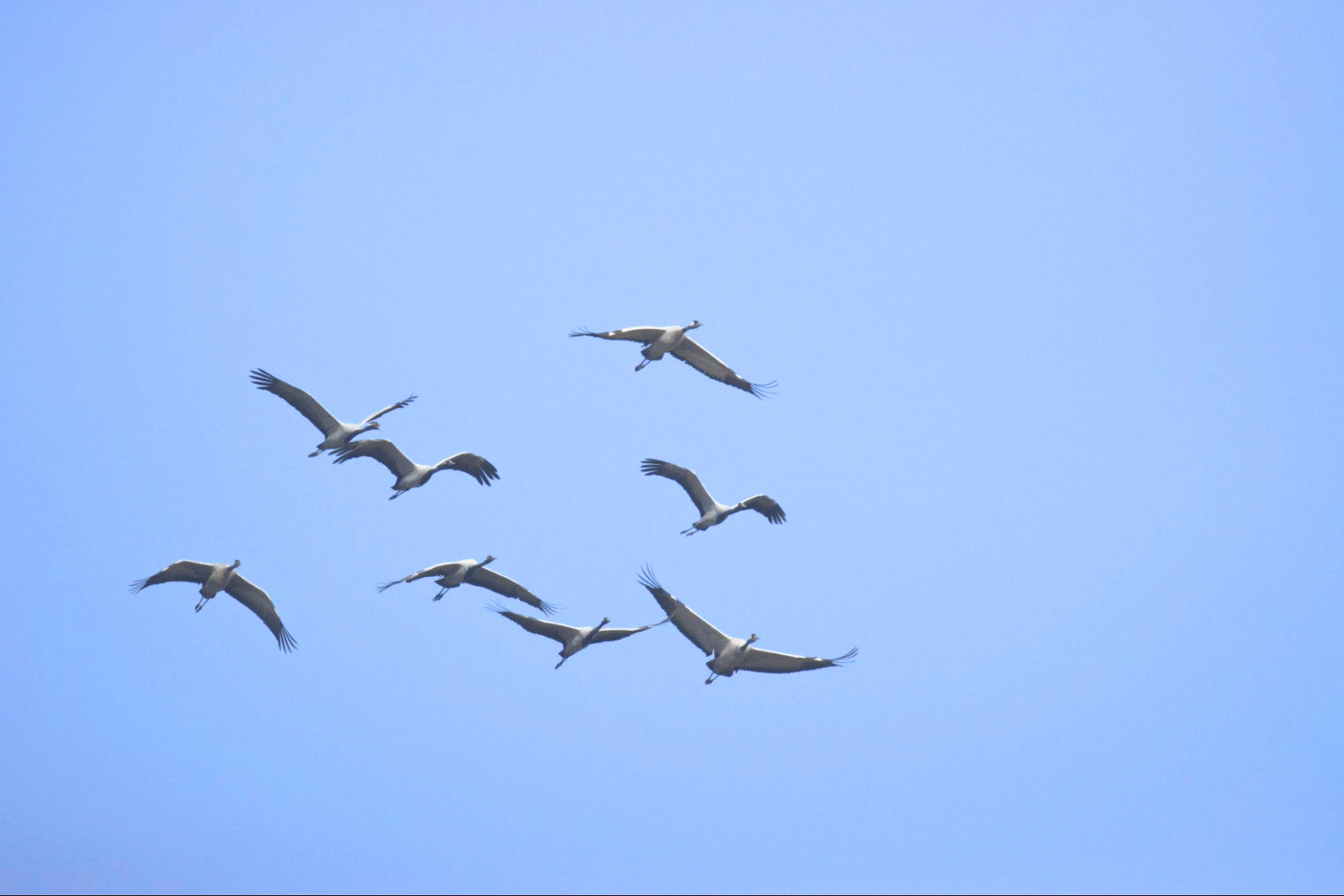
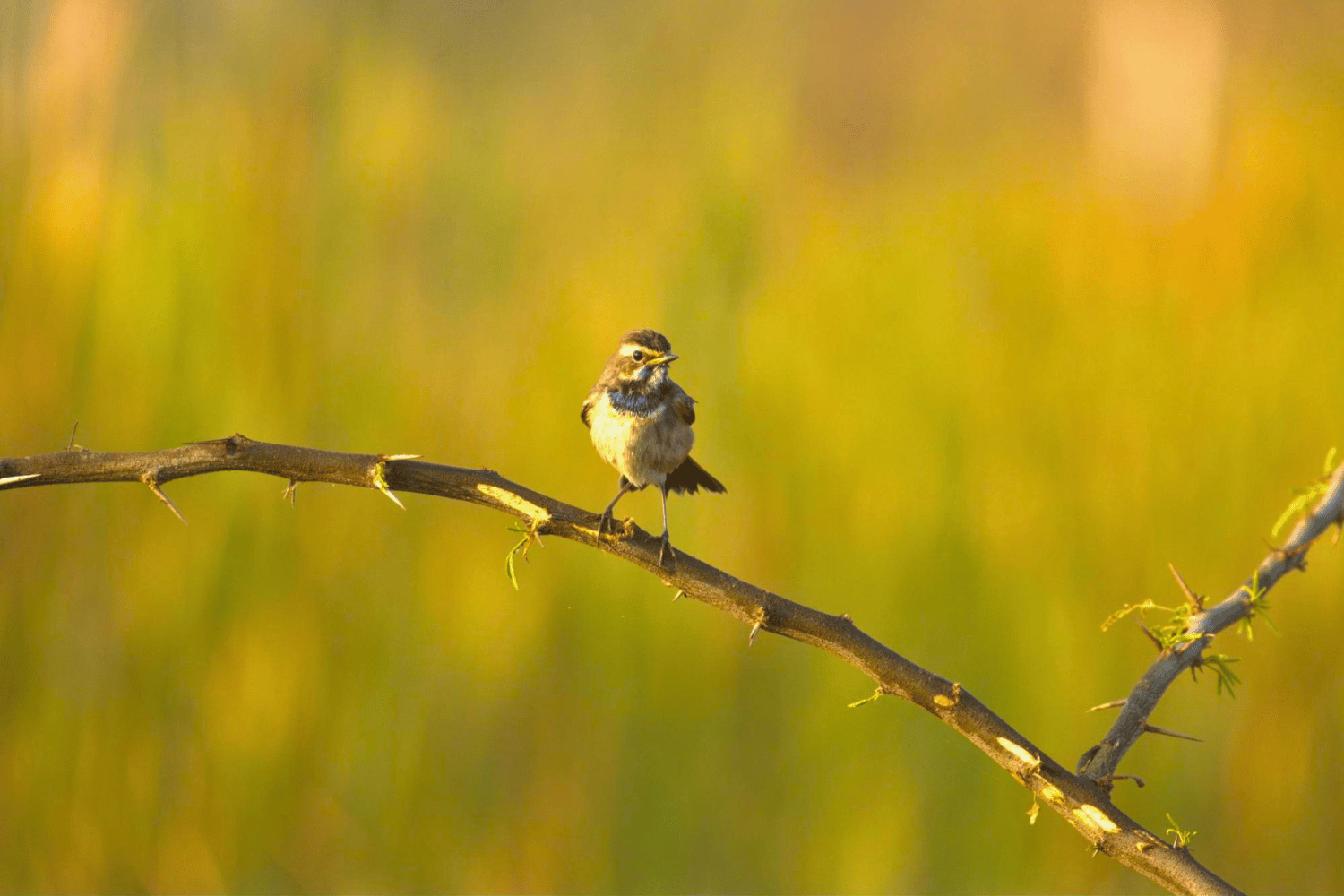
The next morning, before heading to the Little Rann of Kutch, we stopped at Nalsarovar Bird Sanctuary, just about an hour and a half from Ahmedabad. Birding here was outstanding. Among the highlights were Red-headed Bunting, Namaqua Dove, Spanish Sparrow, Demoiselle Crane, Sociable Lapwing, Common Crane, Black-breasted Weaver, Spotted Crake, Baillon’s Crake, Bluethroat, and many other wetland species. After a fulfilling morning, we drove toward the Little Rann of Kutch, reaching our hotel by evening for some well-earned rest.
The Wild Expanse of the Little Rann of Kutch
The Little Rann of Kutch is a landscape unlike any other—vast, open, and dramatic. Spread over nearly 5,000 square kilometers, it is home to unique wildlife found nowhere else.
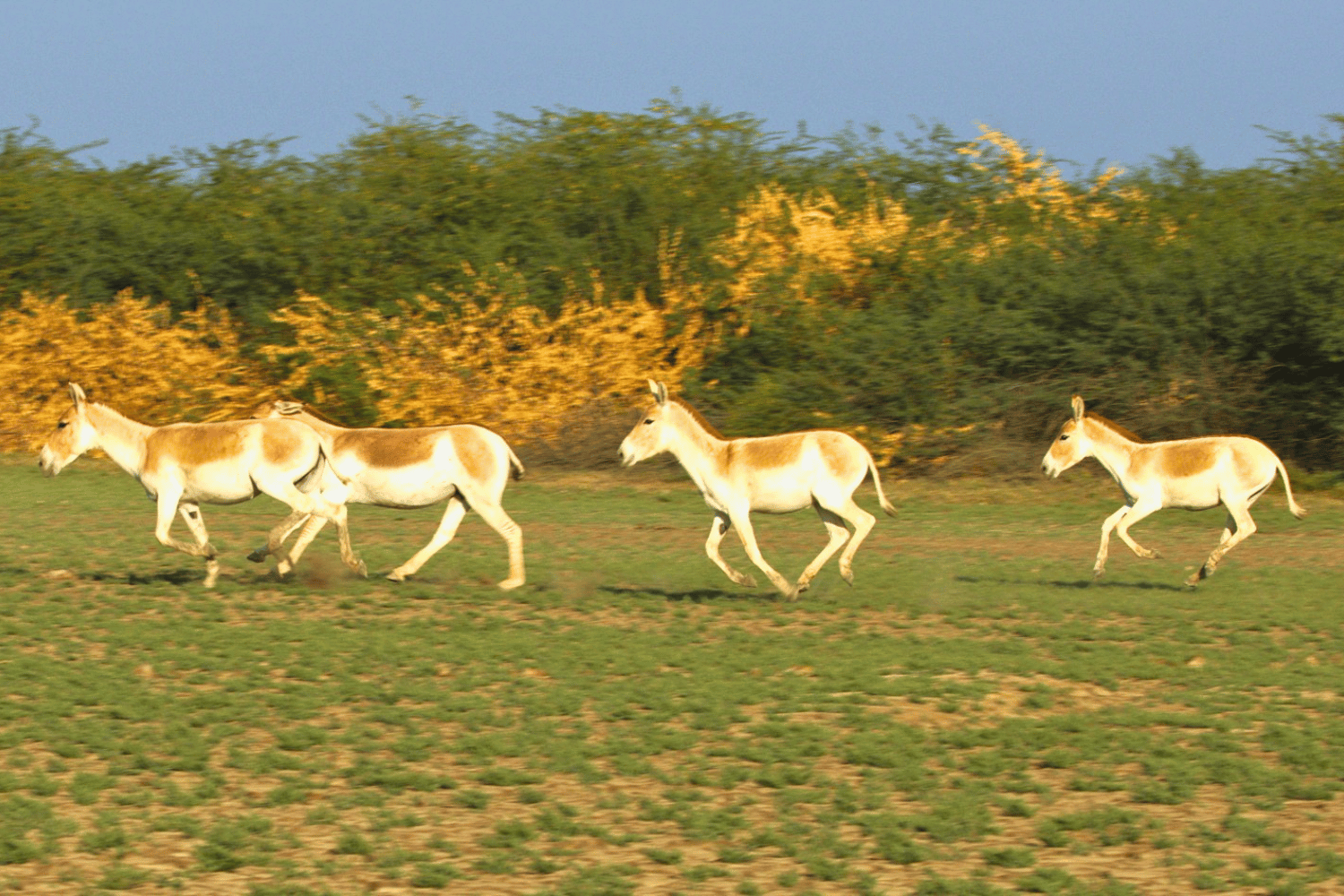
Over four thrilling safaris, we explored this saline desert ecosystem. The star attraction, of course, was the Indian Wild Ass, which we saw in excellent numbers. Other mammal highlights included the elusive Indian Wolf and the charming Desert Fox (Indian Fox). The region is also culturally rich, with the colorful Rabari community living harmoniously in this challenging terrain.
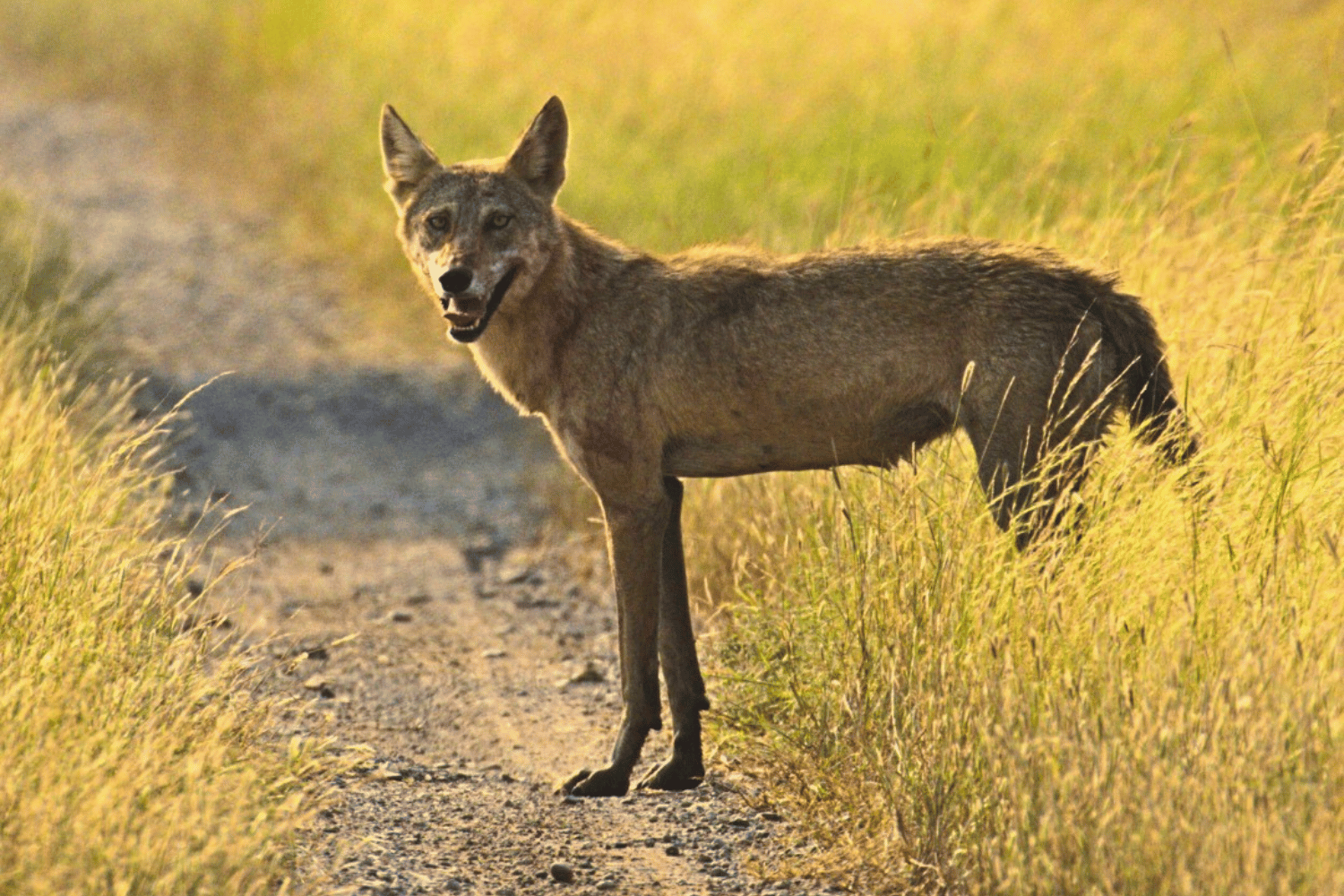
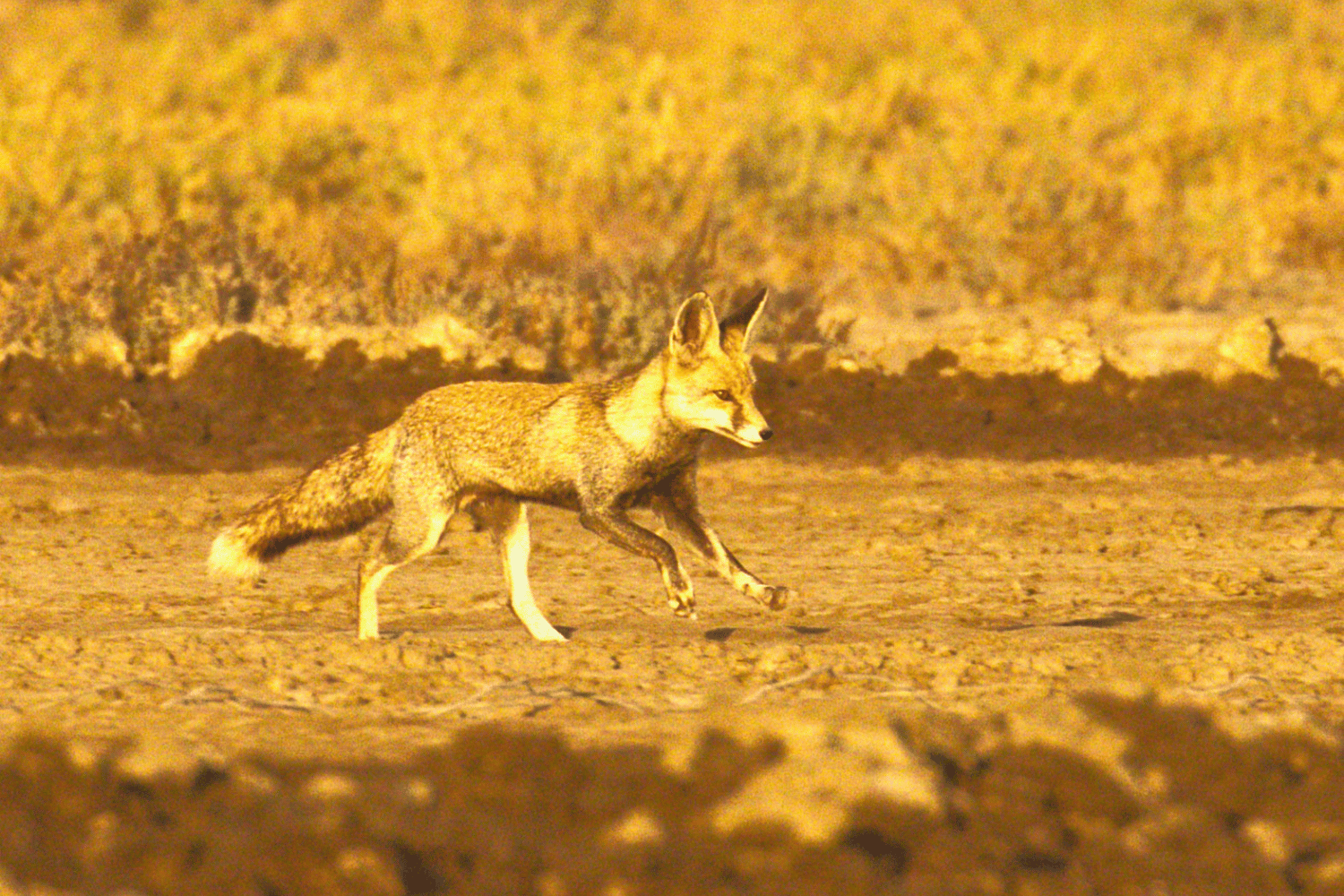
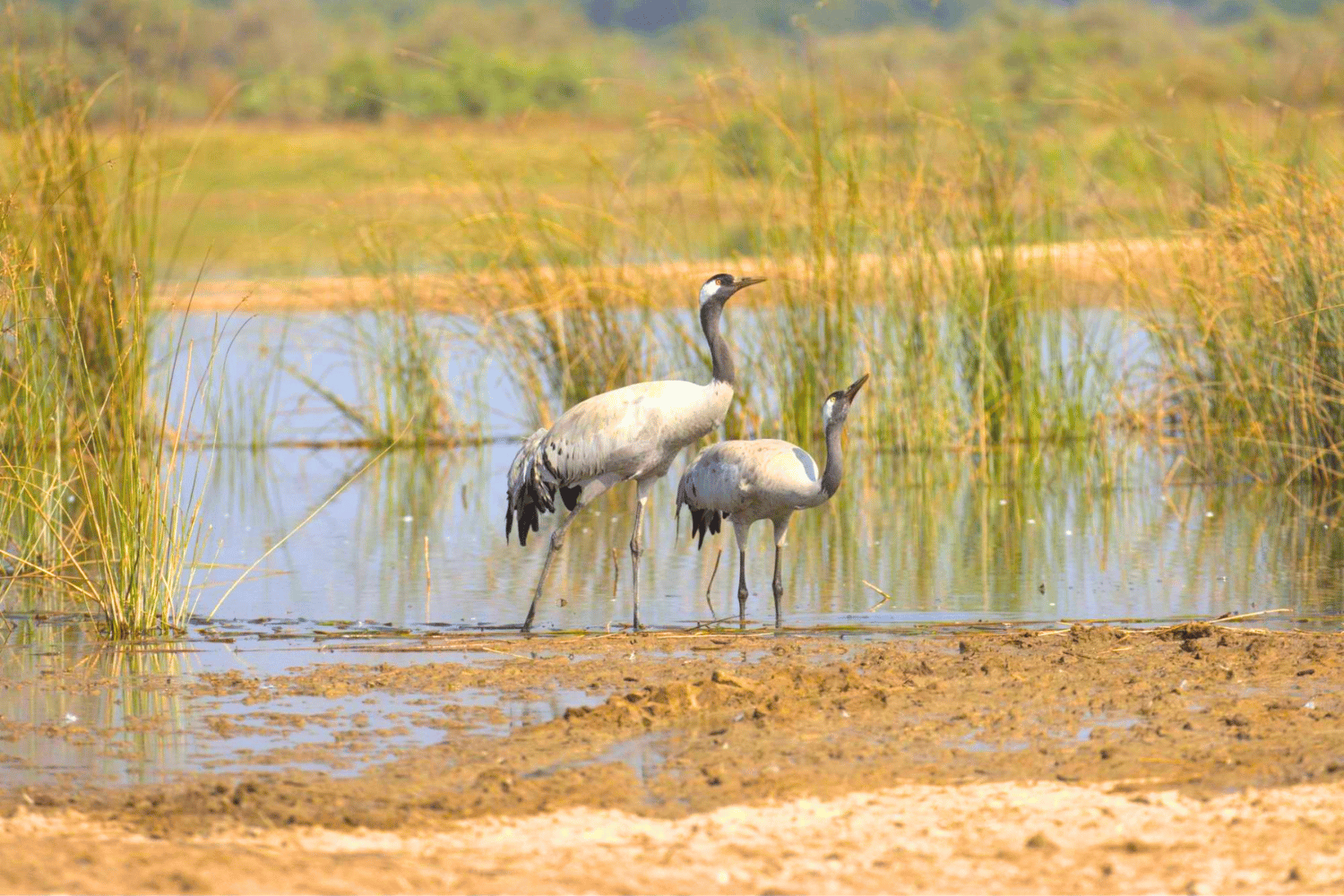
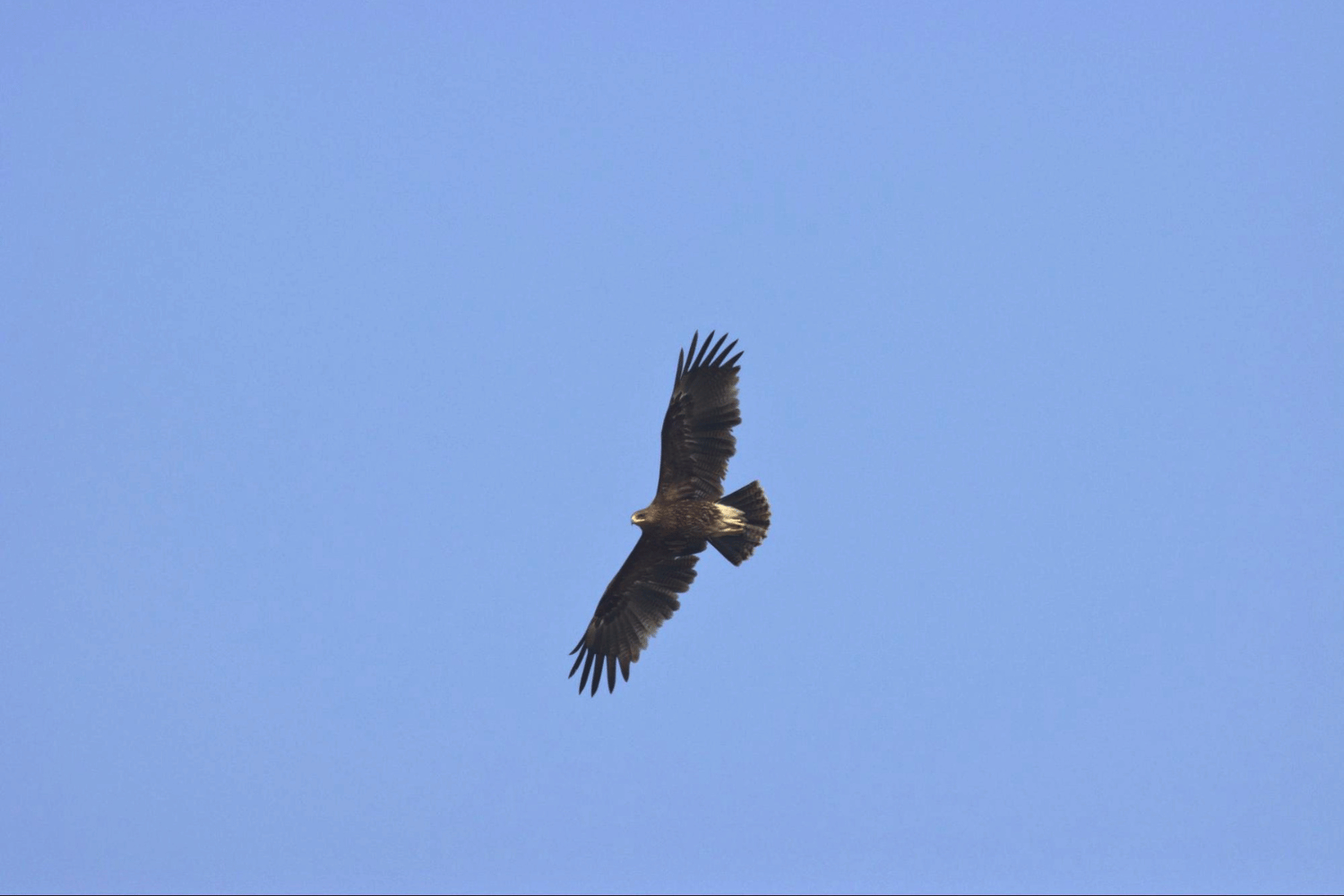
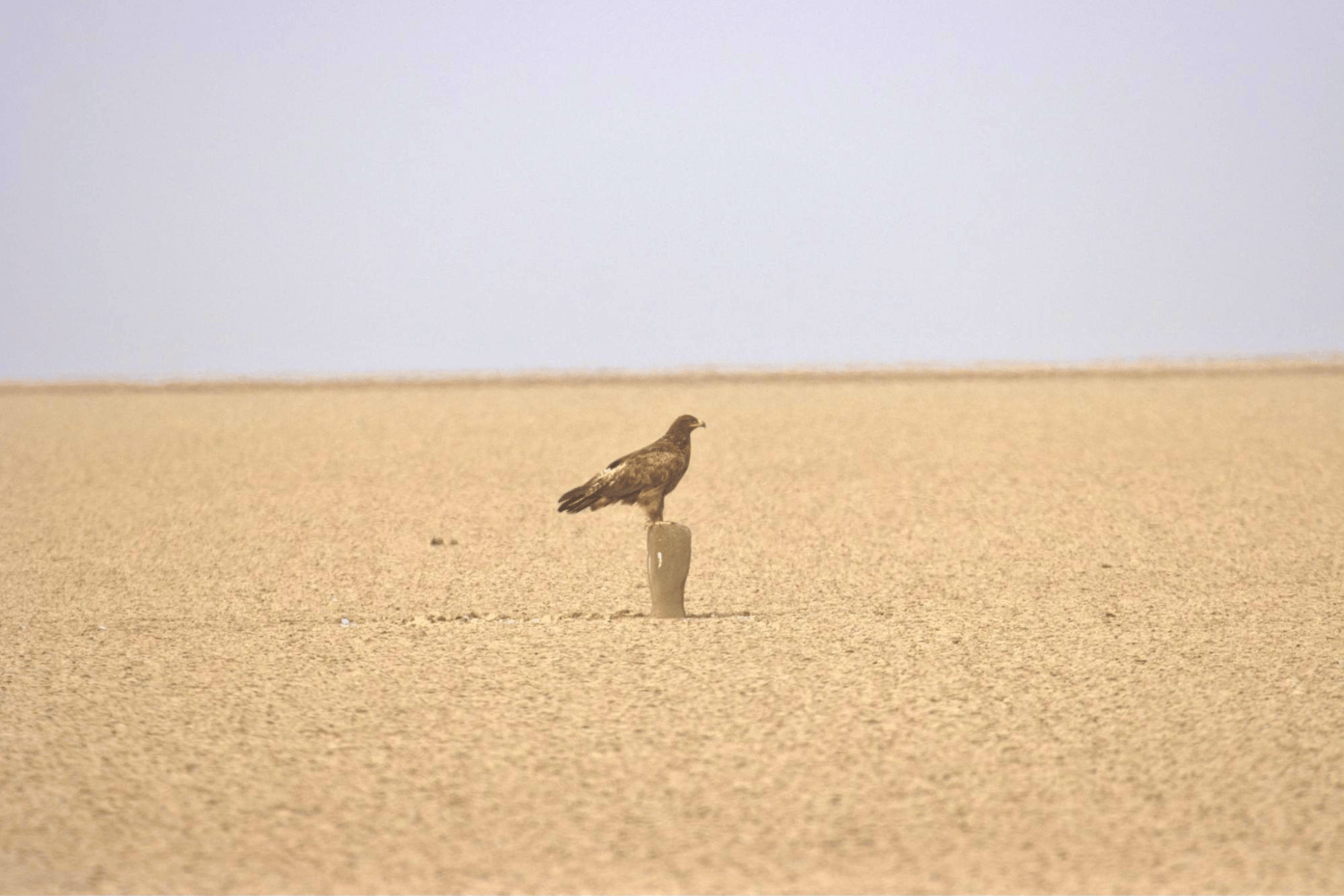
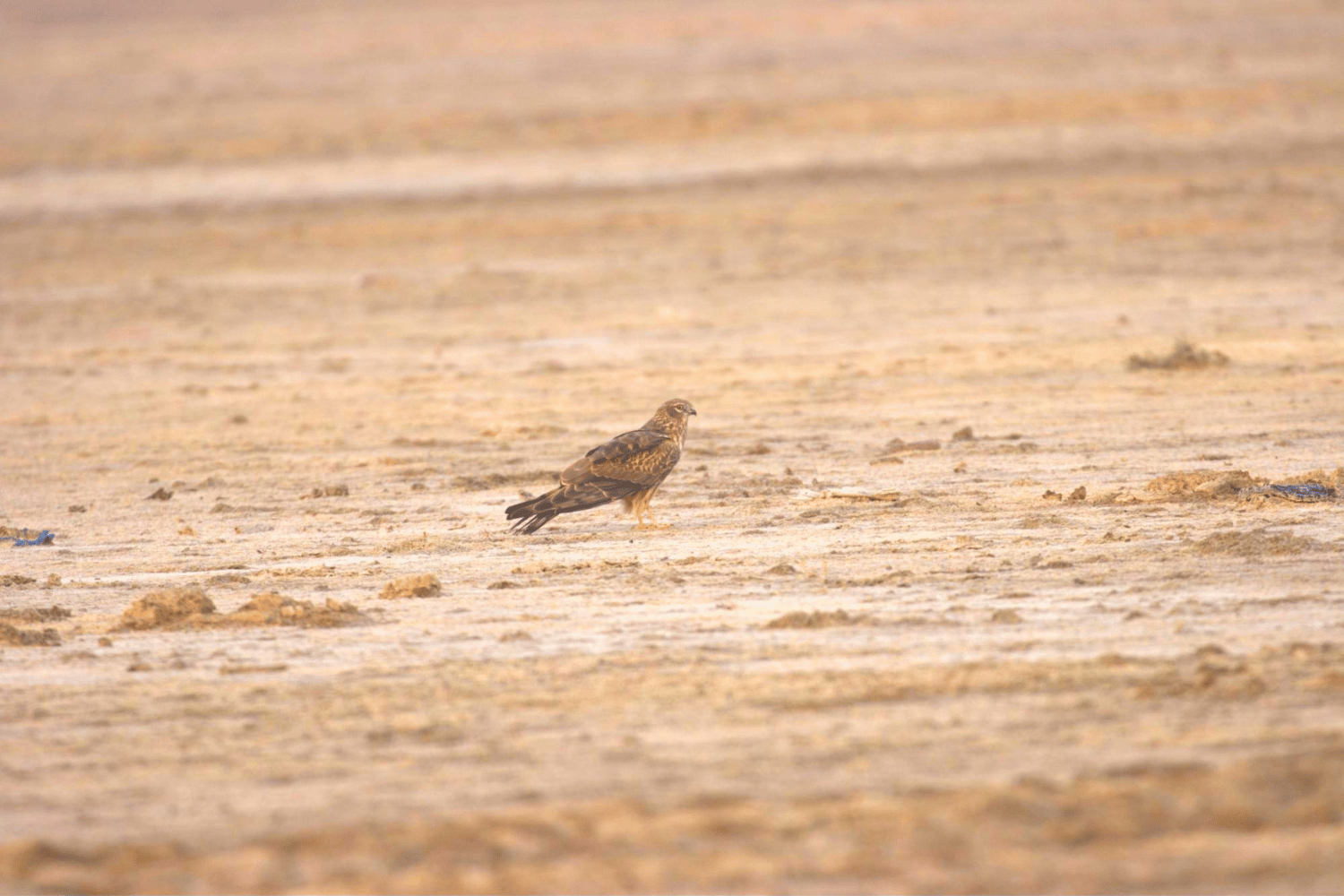
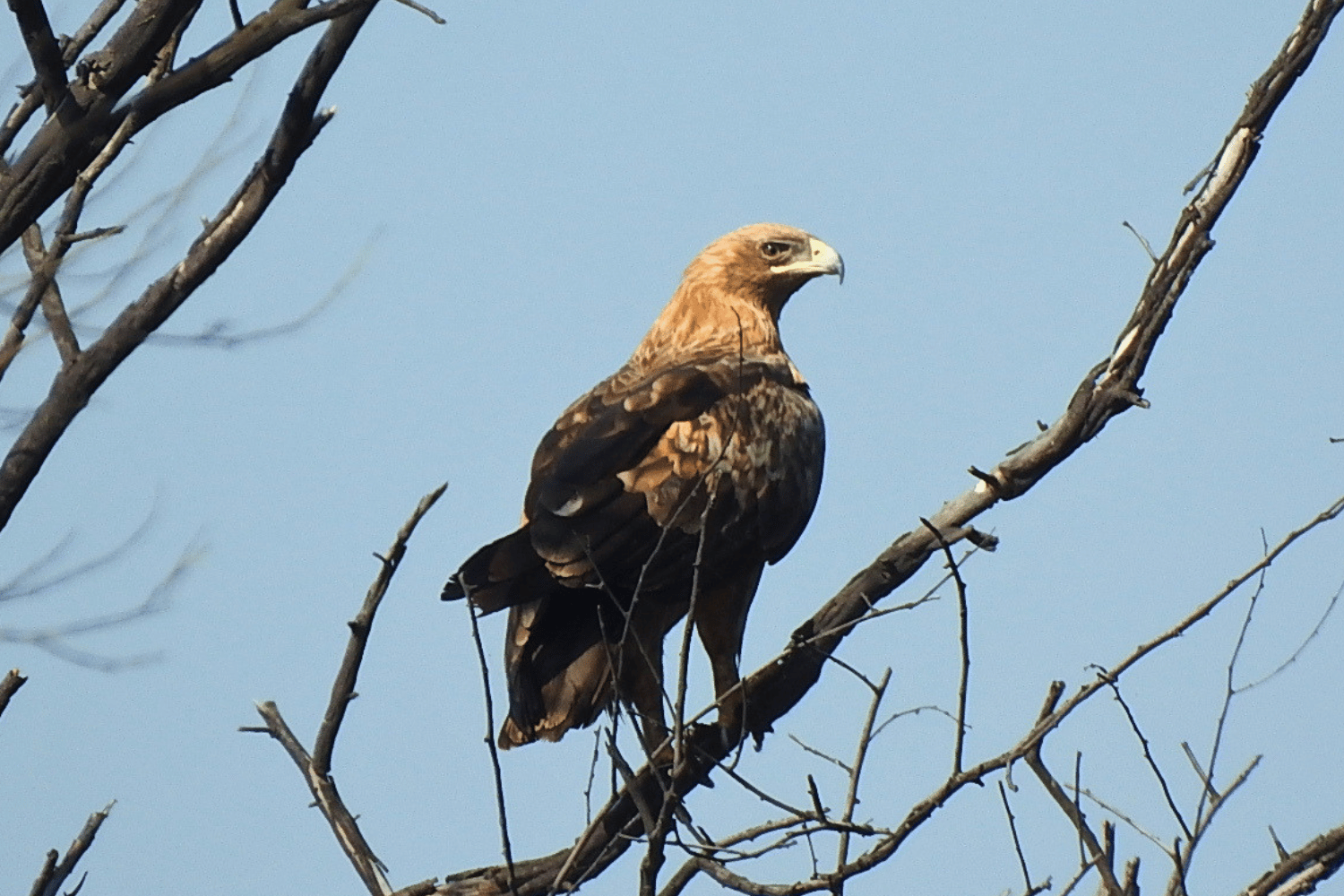
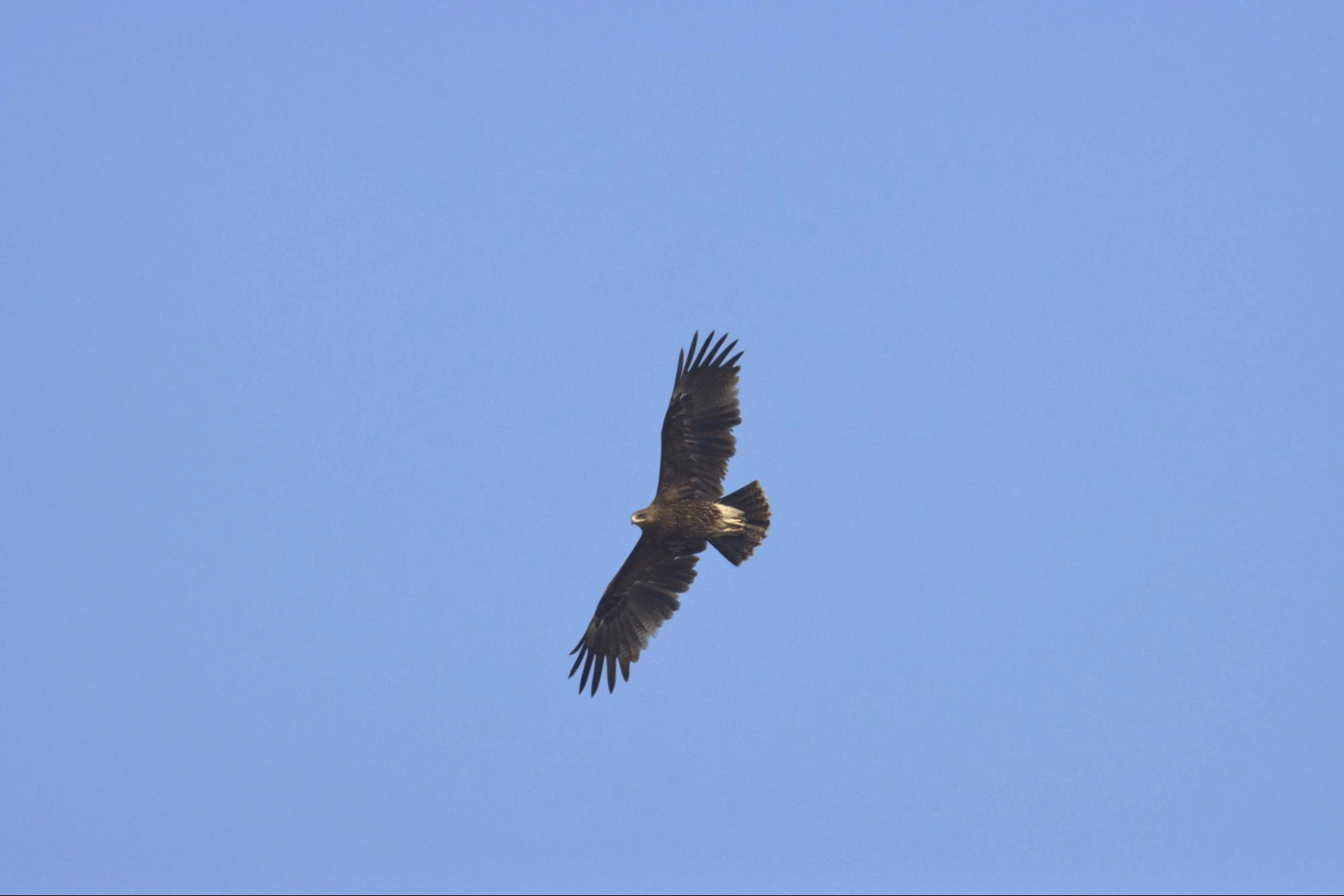
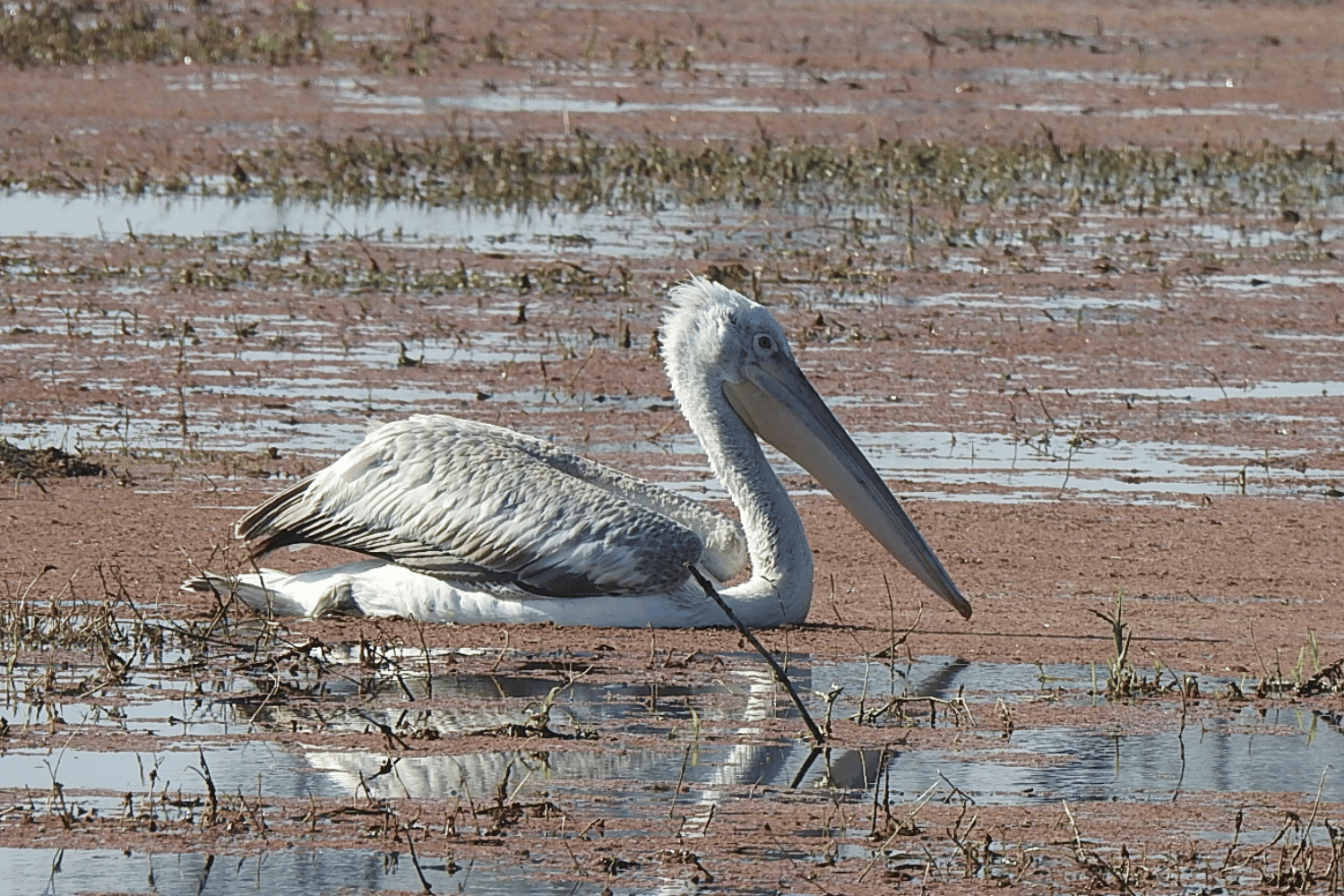
Birdlife was equally spectacular: flocks of Lesser Flamingos painted the wetlands pink, while Common Cranes echoed across the plains. Raptors such as Greater Spotted Eagle, Eastern Imperial Eagle, and Montagu’s Harrier patrolled the skies. We were delighted to spot Pallid Scops Owl, Dalmatian Pelican, and a variety of waterfowl species. The Little Rann offered the perfect blend of wildlife and living desert culture.
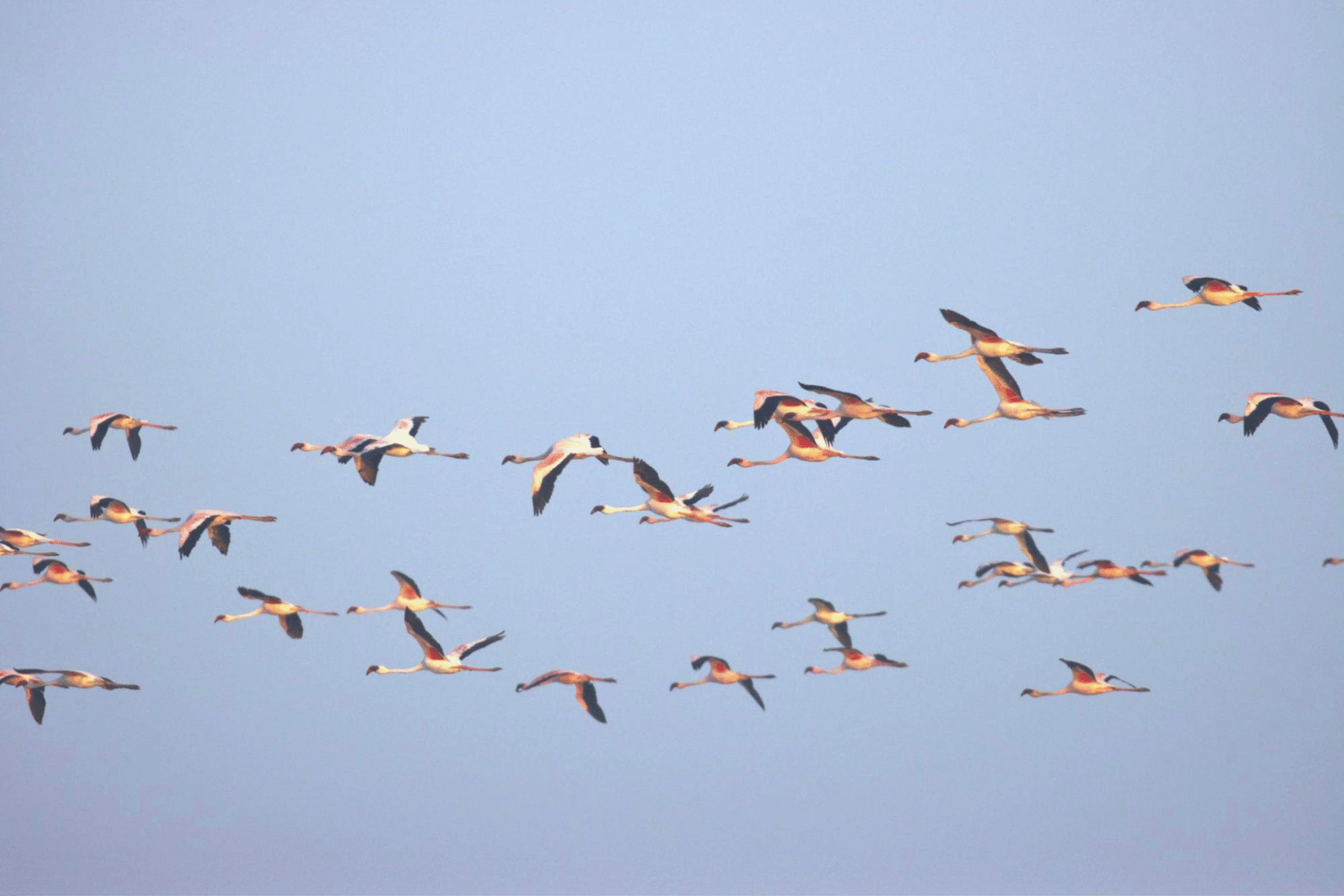
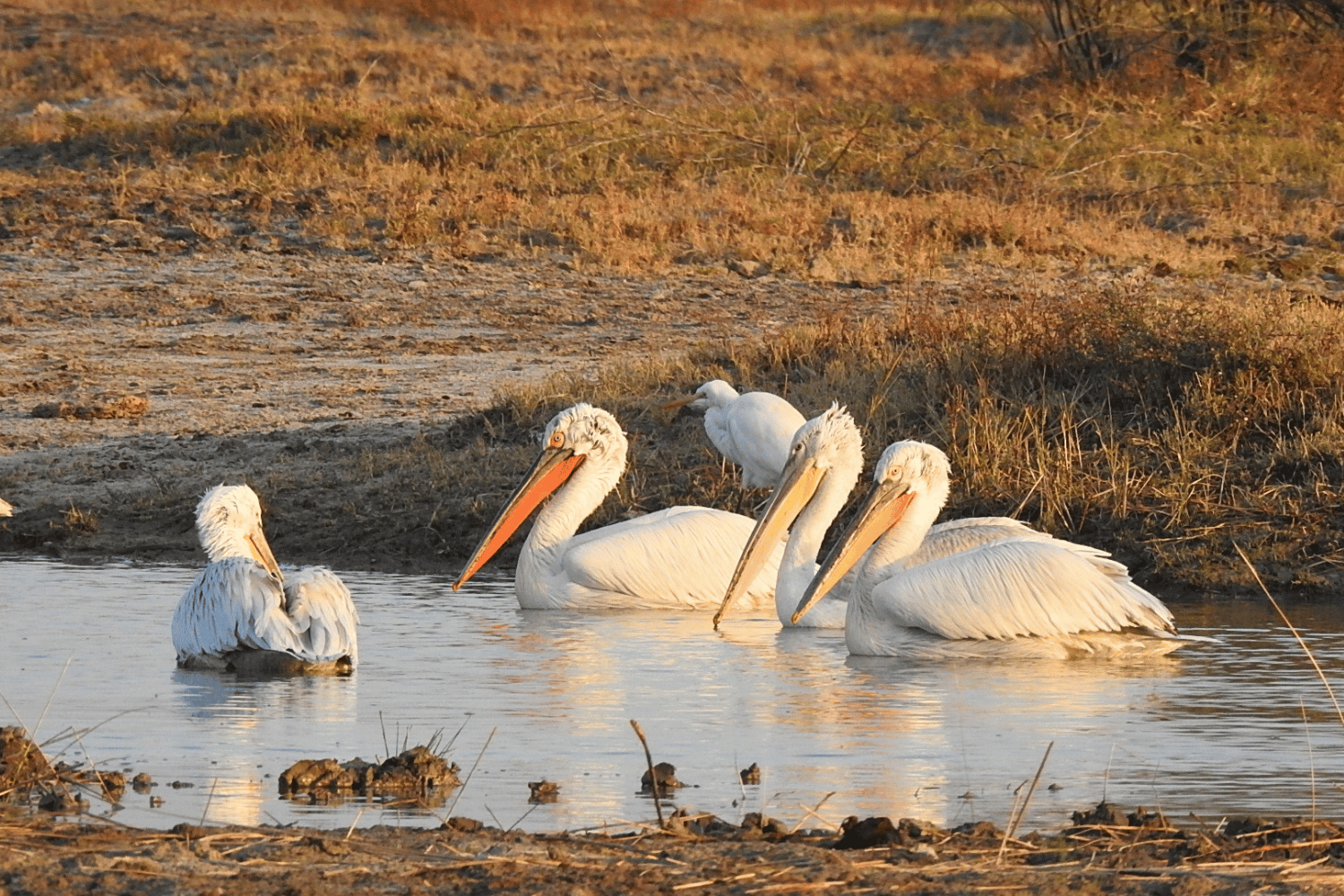 Dalmatian Pelican
Bhuj & The Great Rann – Desert Specialties
After a long but scenic 7–8 hour drive (around 300 km), passing expansive salt pans, we reached the Bhuj district. Our stay was near Nakhatrana village, strategically located close to prime birding areas and just 20 km from the Great Rann of Kutch.
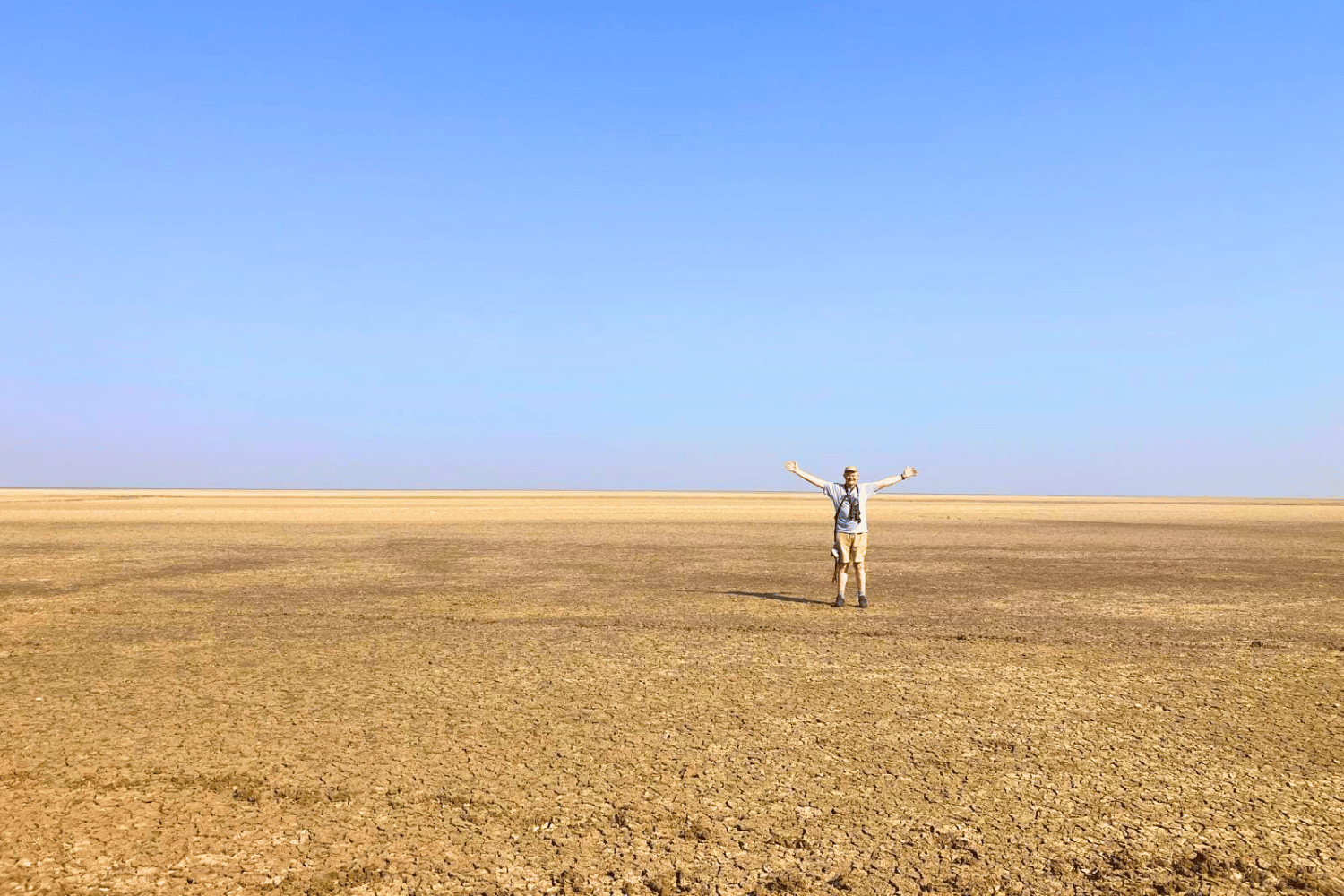 Great Rann
On the way, we visited Nirona village, famous for its Rogan art. We also learned about the celebrated artisan Gafur Bhai, honored by India’s Prime Minister for preserving this rare craft.
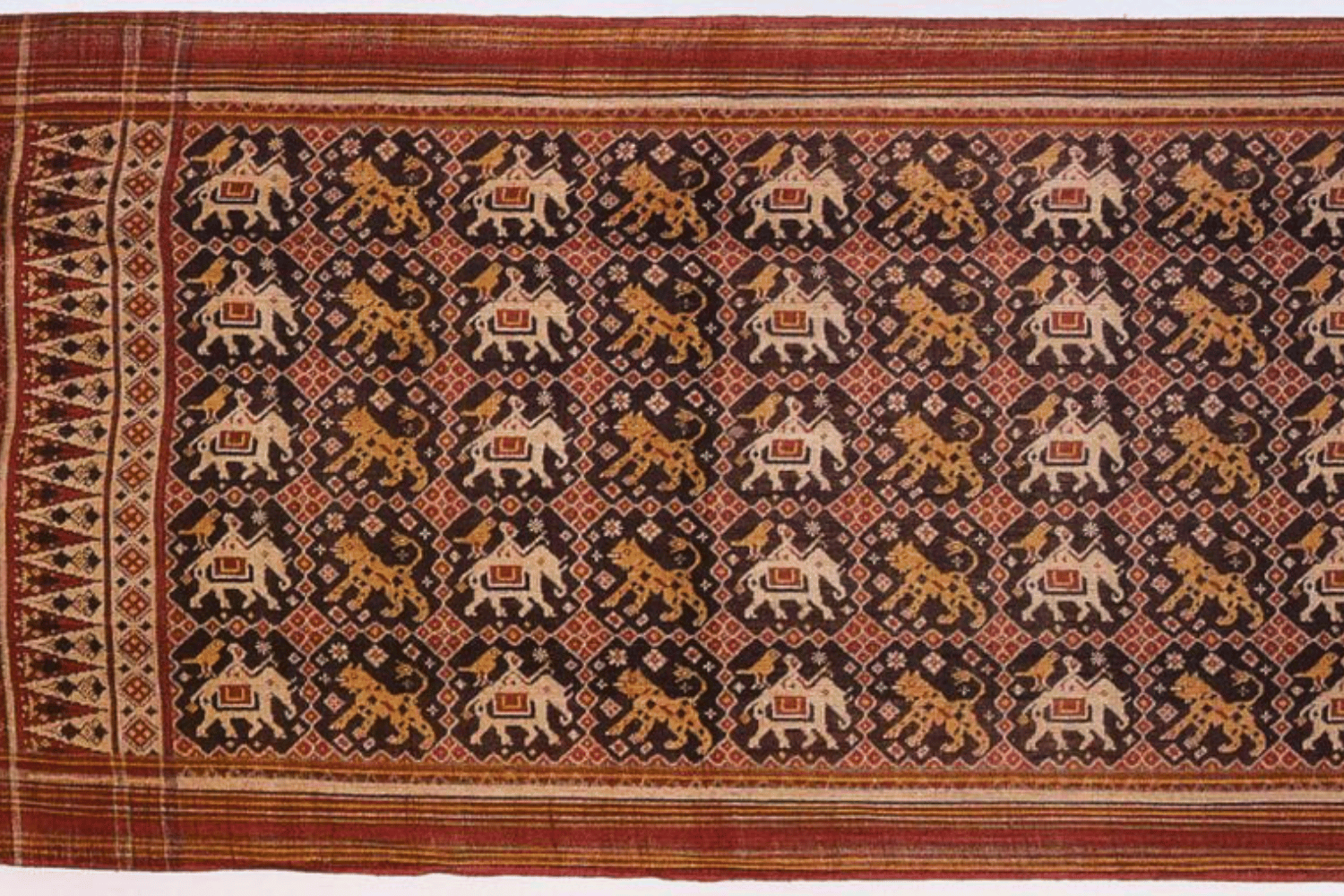 Rogan art
Evening birding around our orchard-style lodge yielded Marshall’s Iora, Asian Paradise Flycatcher, Eurasian Sparrowhawk, Red-breasted Flycatcher, and even Golden Jackal.
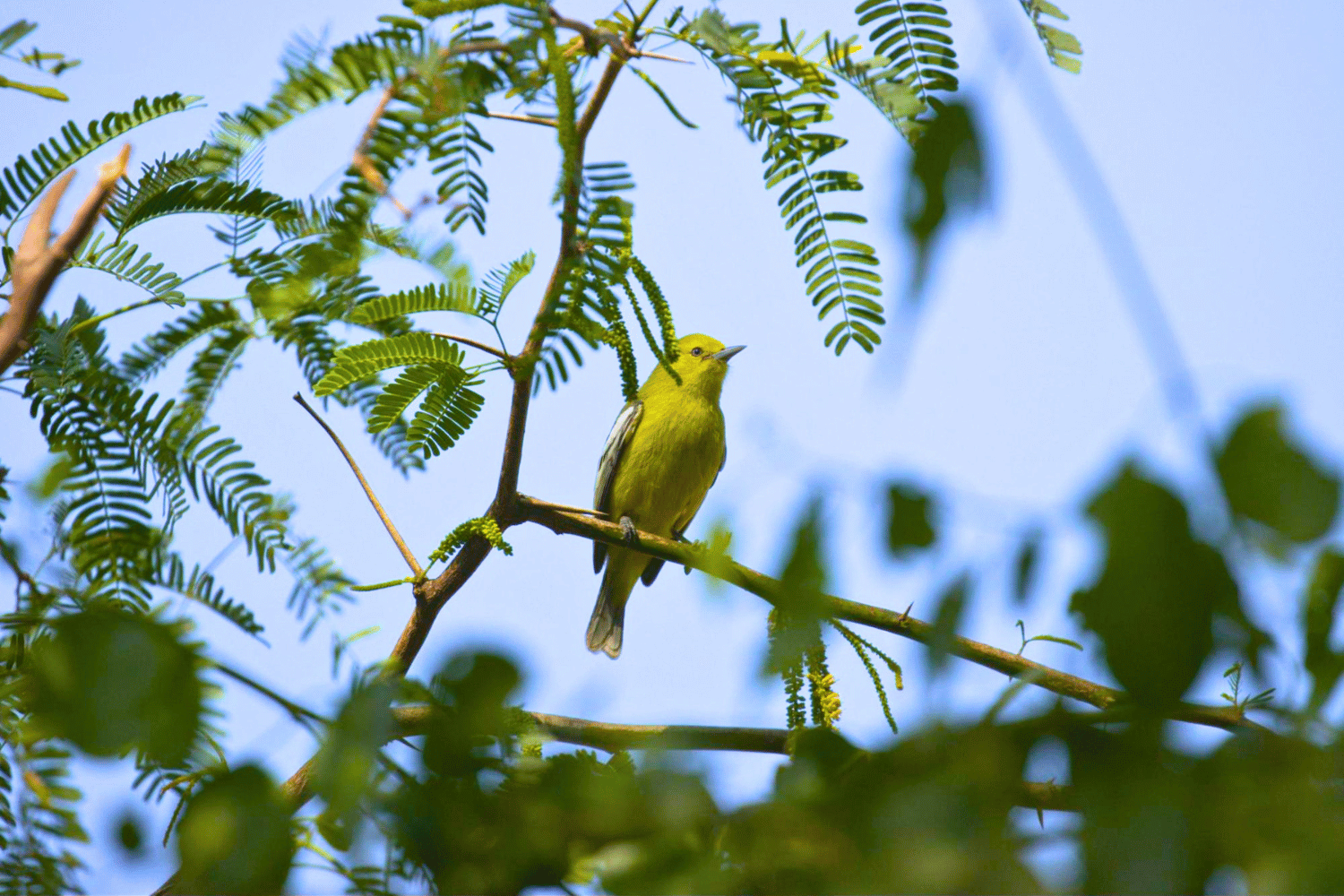
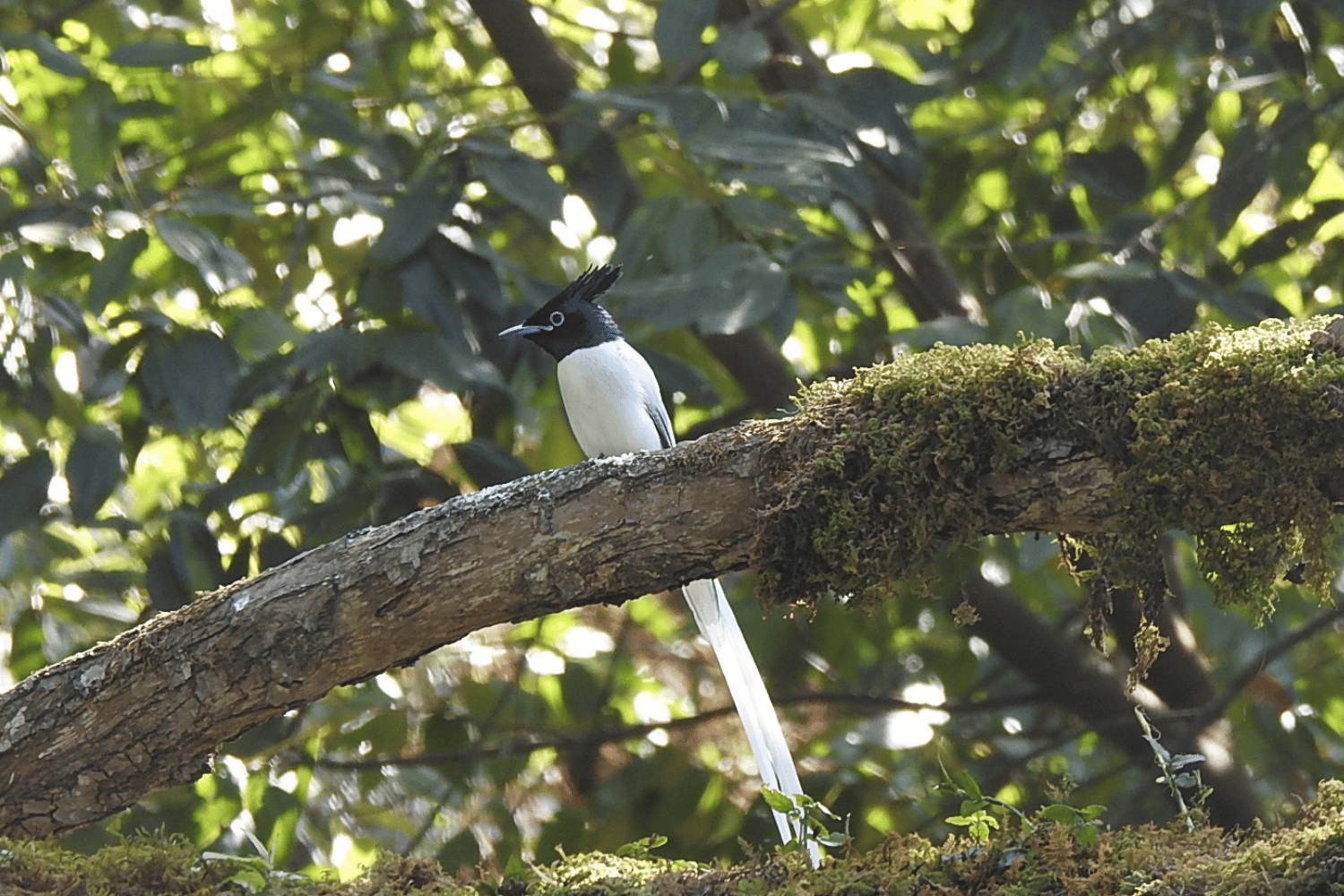
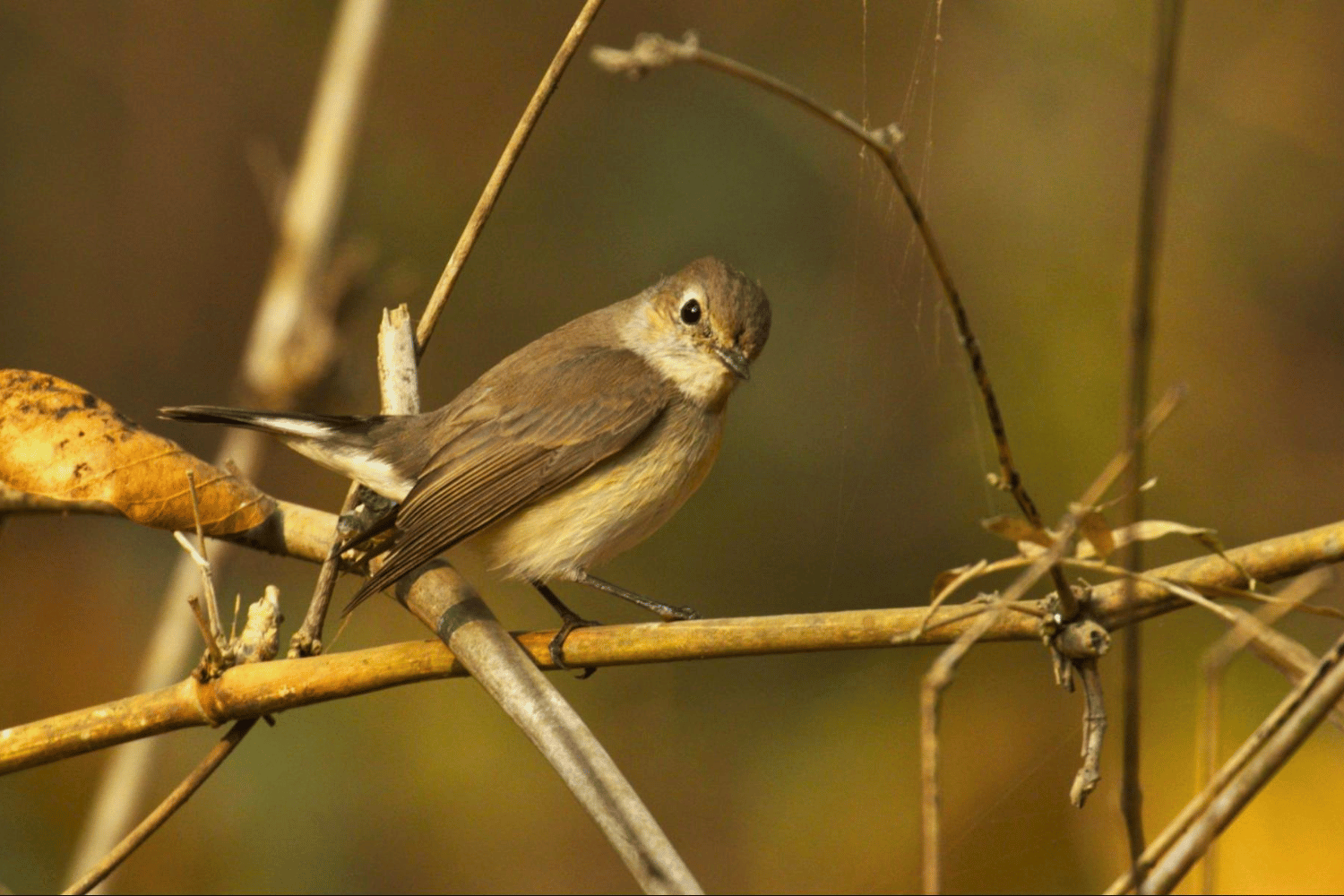
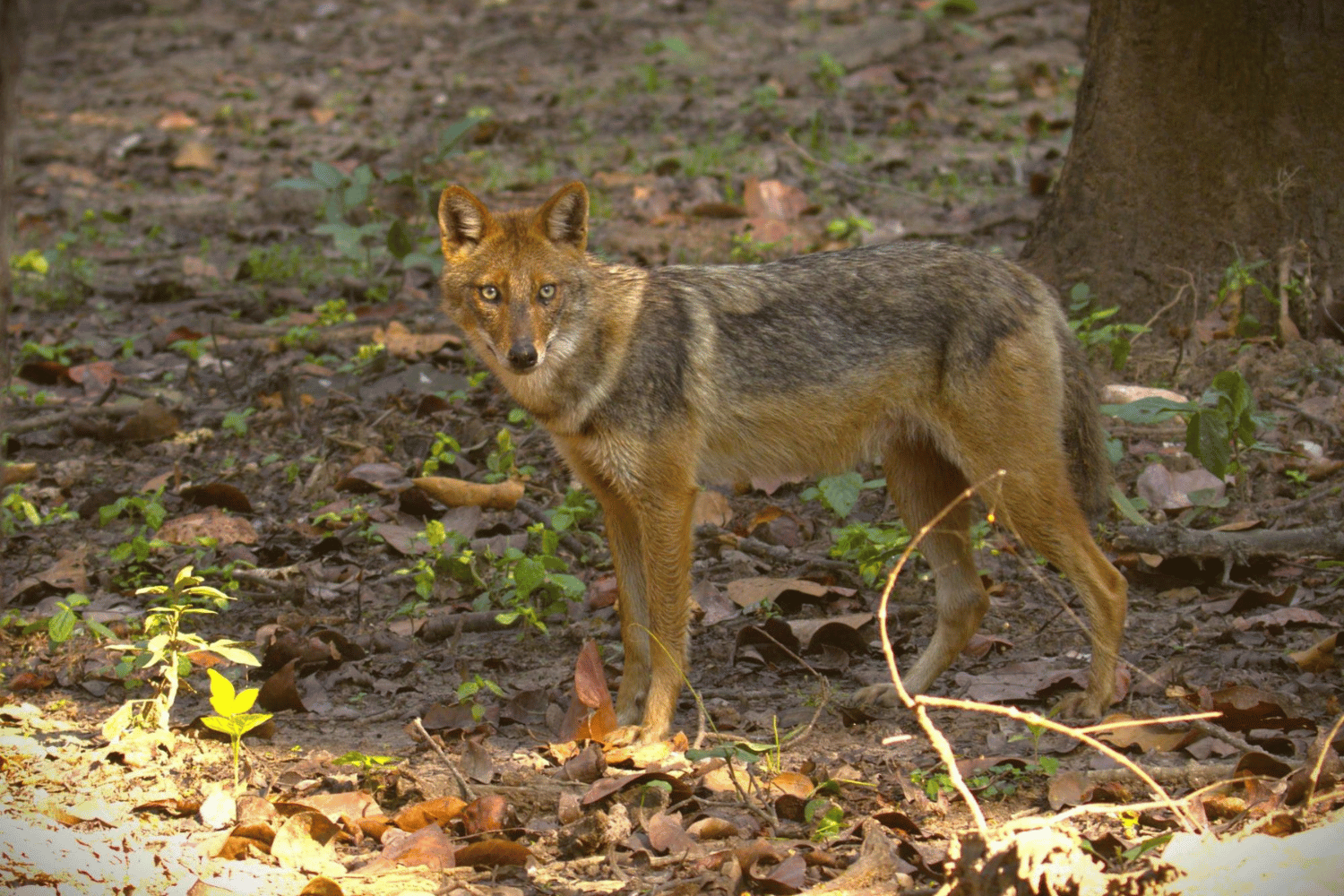
The next morning, we set out in search of one of our key targets—the elusive Grey Hypocolius. Winter is the best season for this special bird, and after careful searching, success! A wonderful sighting that made the effort worthwhile.
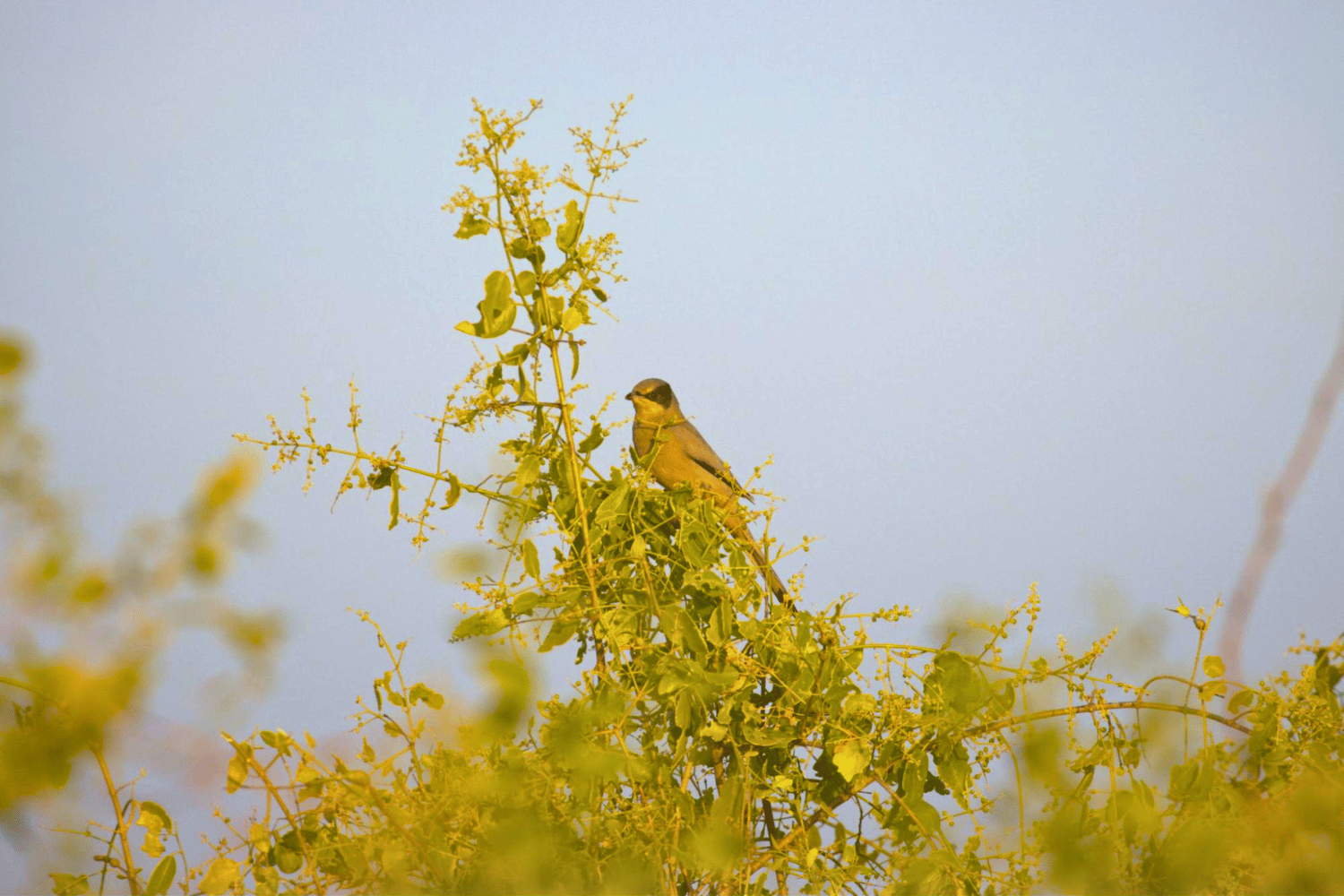 Grey Hypocolius
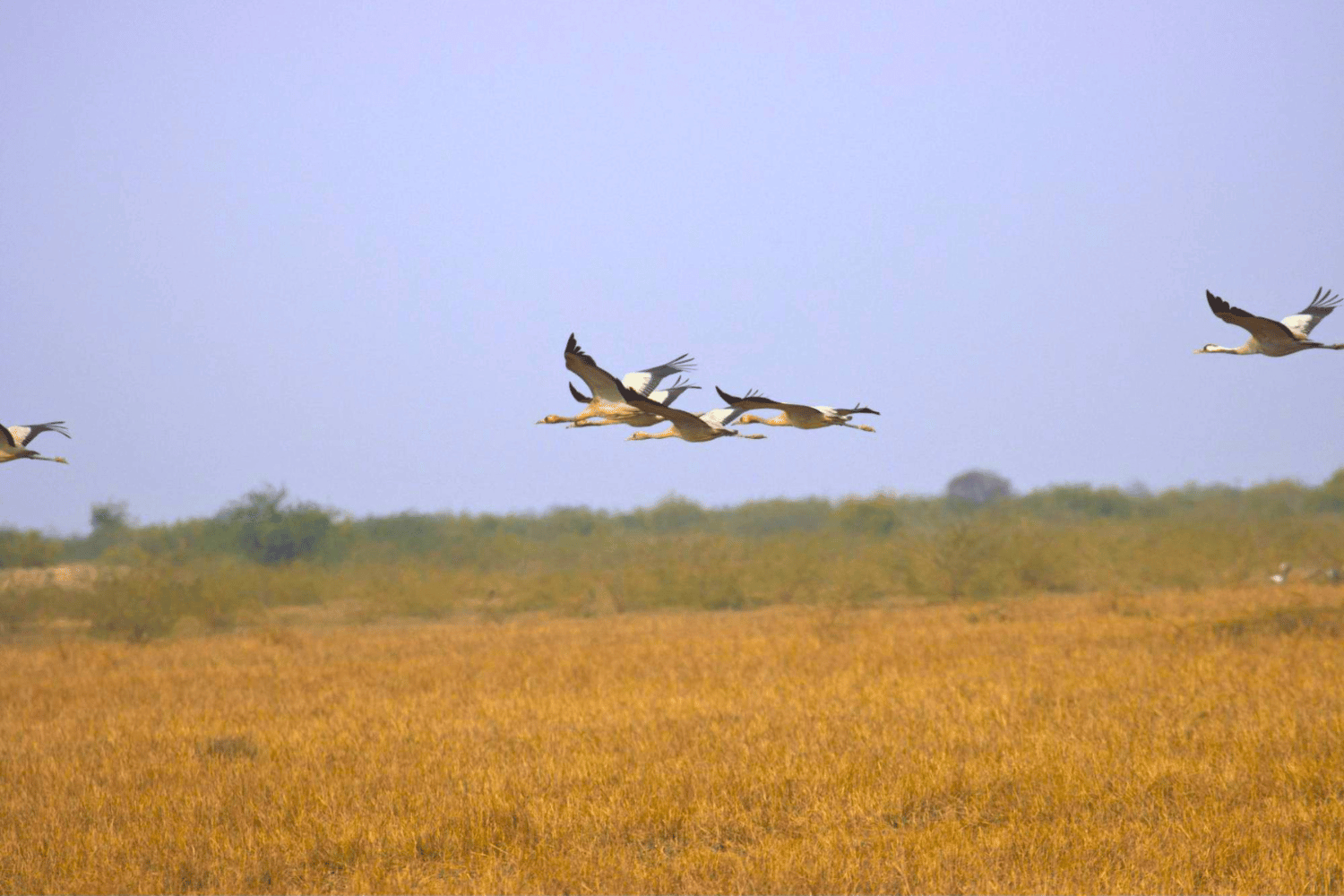
In the Great Rann, we encountered large gatherings of Common Cranes. At Chhari Dhand wetland, highlights included Clamorous Reed Warbler, Paddyfield Warbler, Bluethroat, and Greater Spotted Eagle.
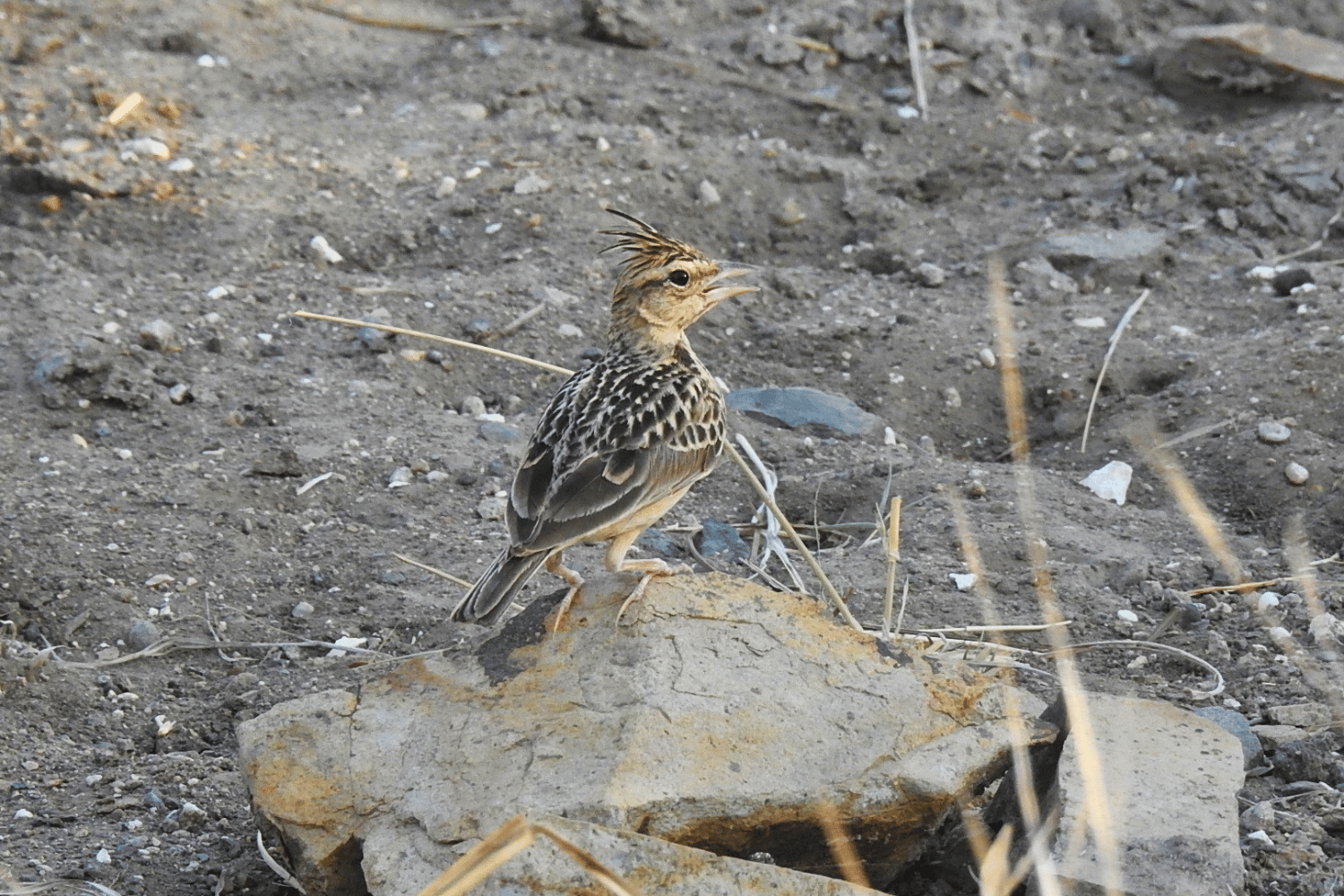
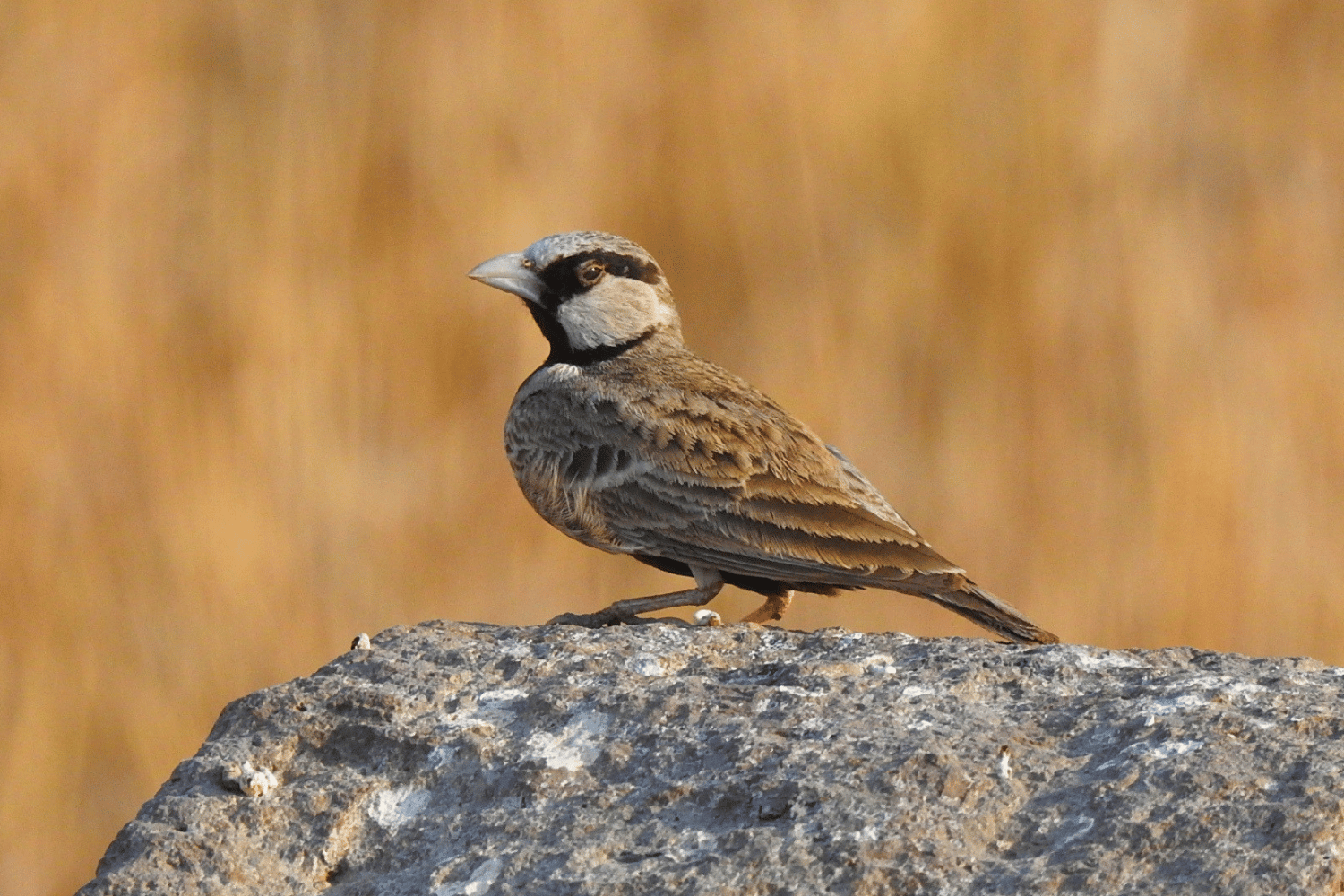
Another exciting morning took us to the thorn forests near Mahadev Temple. After patient searching, we located the sought-after White-naped Tit. Soon after, we also found Grey-necked Bunting. In the dry grasslands and agricultural fields, species such as Sykes’s Lark, Yellow-wattled Lapwing, Ashy-crowned Sparrow-Lark, and Greater Short-toed Lark added to our growing list.
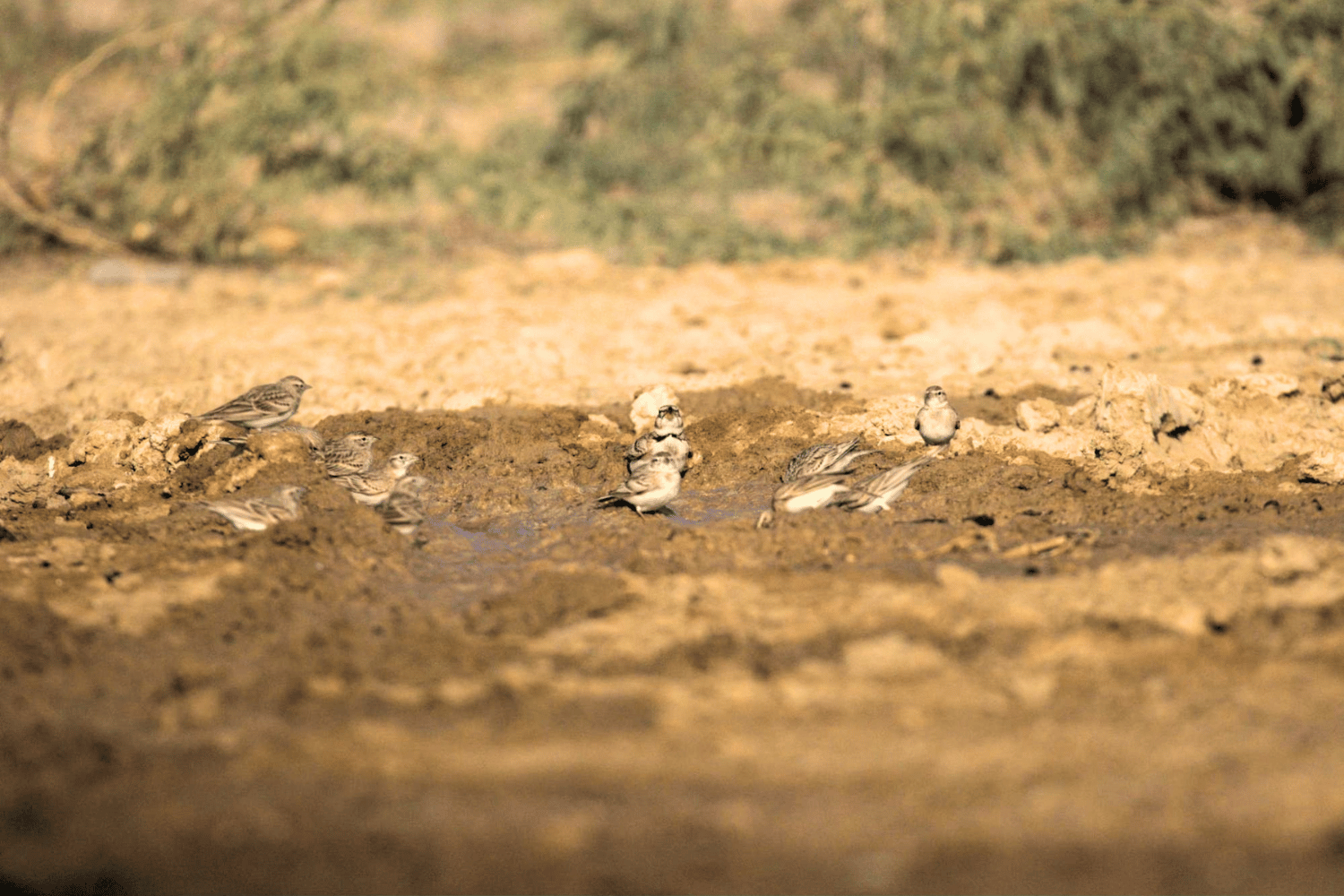
In the evening, scanning vast dry plains near Nakhatrana finally rewarded us with Indian Courser—an elegant desert specialist. Bhuj truly delivered an unforgettable desert birding experience.
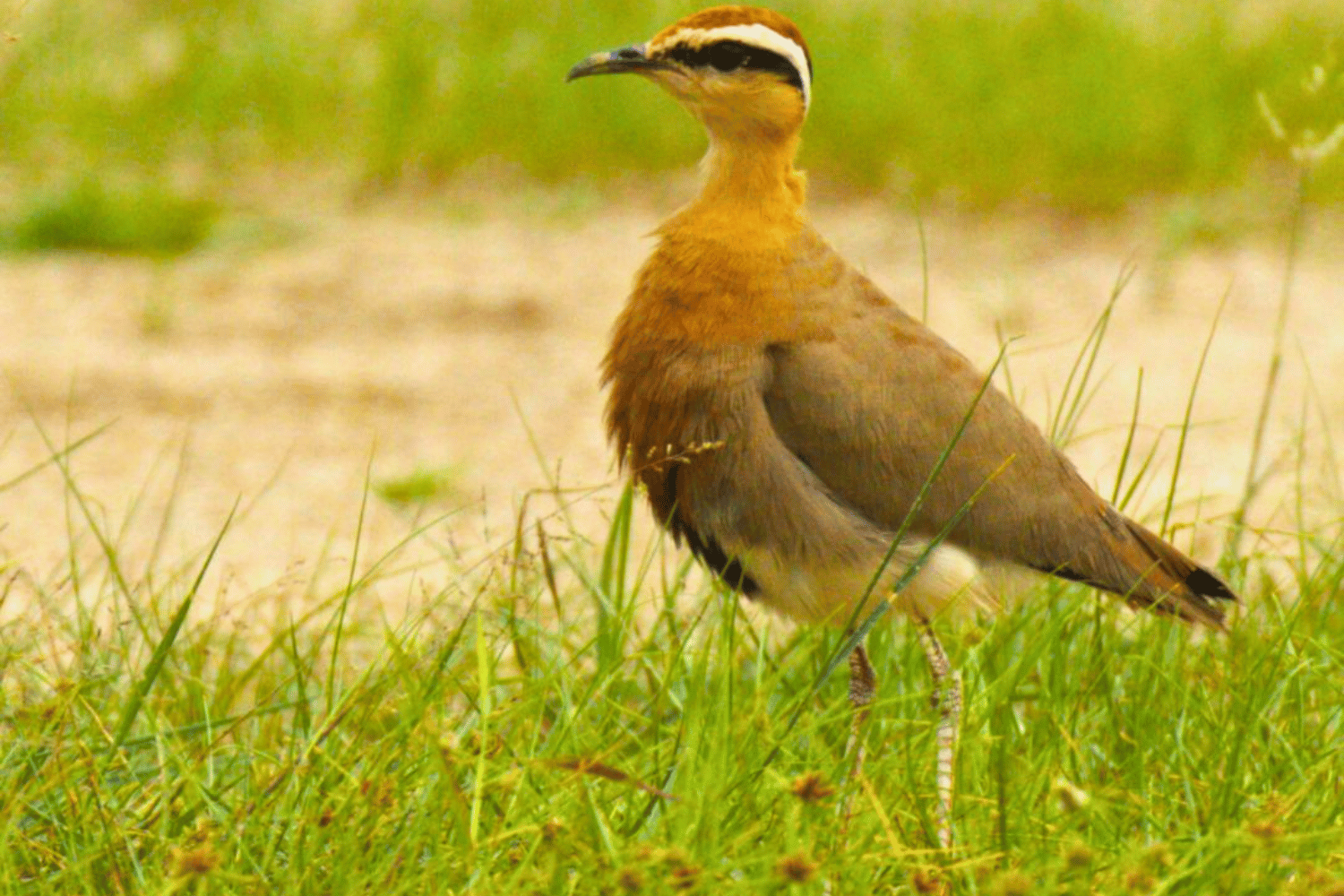 Indian Courser
Coastal Wonders of Jamnagar
Our next habitat shift brought us to the coastal ecosystem of Jamnagar. This region is famous for large congregations of shorebirds, especially Crab-plovers.
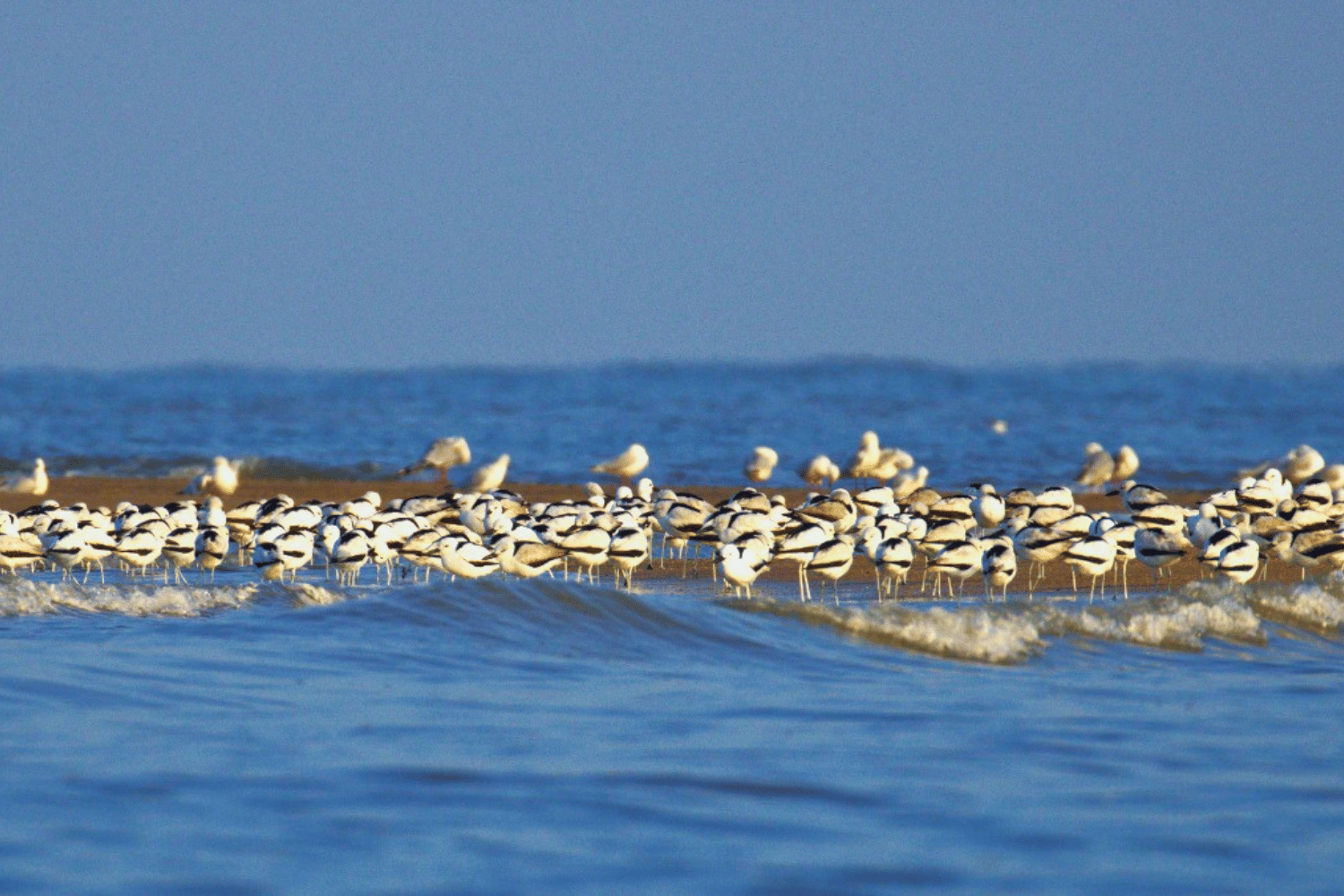 Crab-plovers
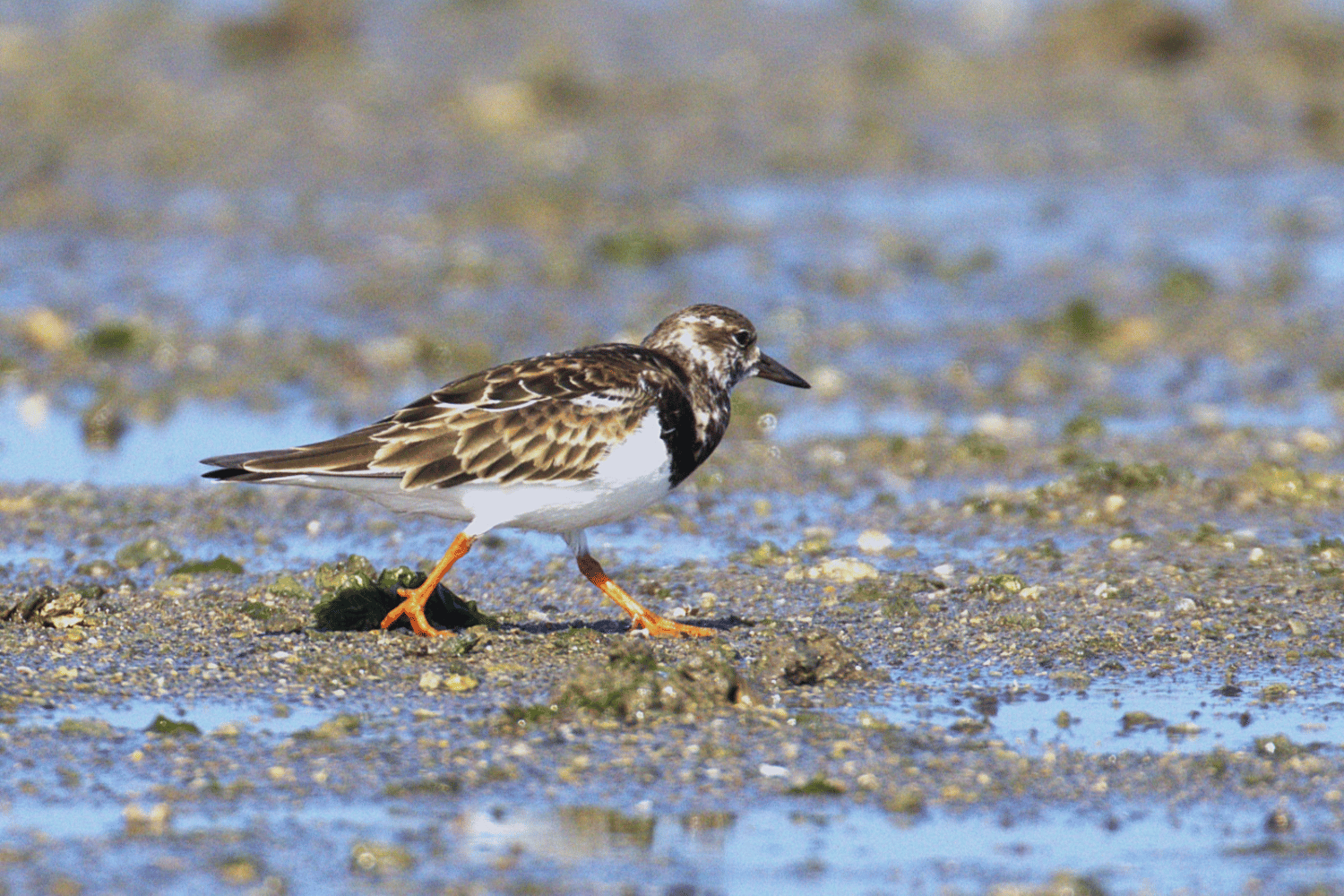
Even before reaching the hotel, we were surrounded by coastal treasures—Ruddy Turnstone, Eurasian Whimbrel, Eurasian Curlew, Oystercatchers, Caspian Tern, Great Knot, Pallas’s Gull, Heuglin’s Gull, Tibetan Sand Plover, Greater Sand Plover, and Lesser Crested Tern.
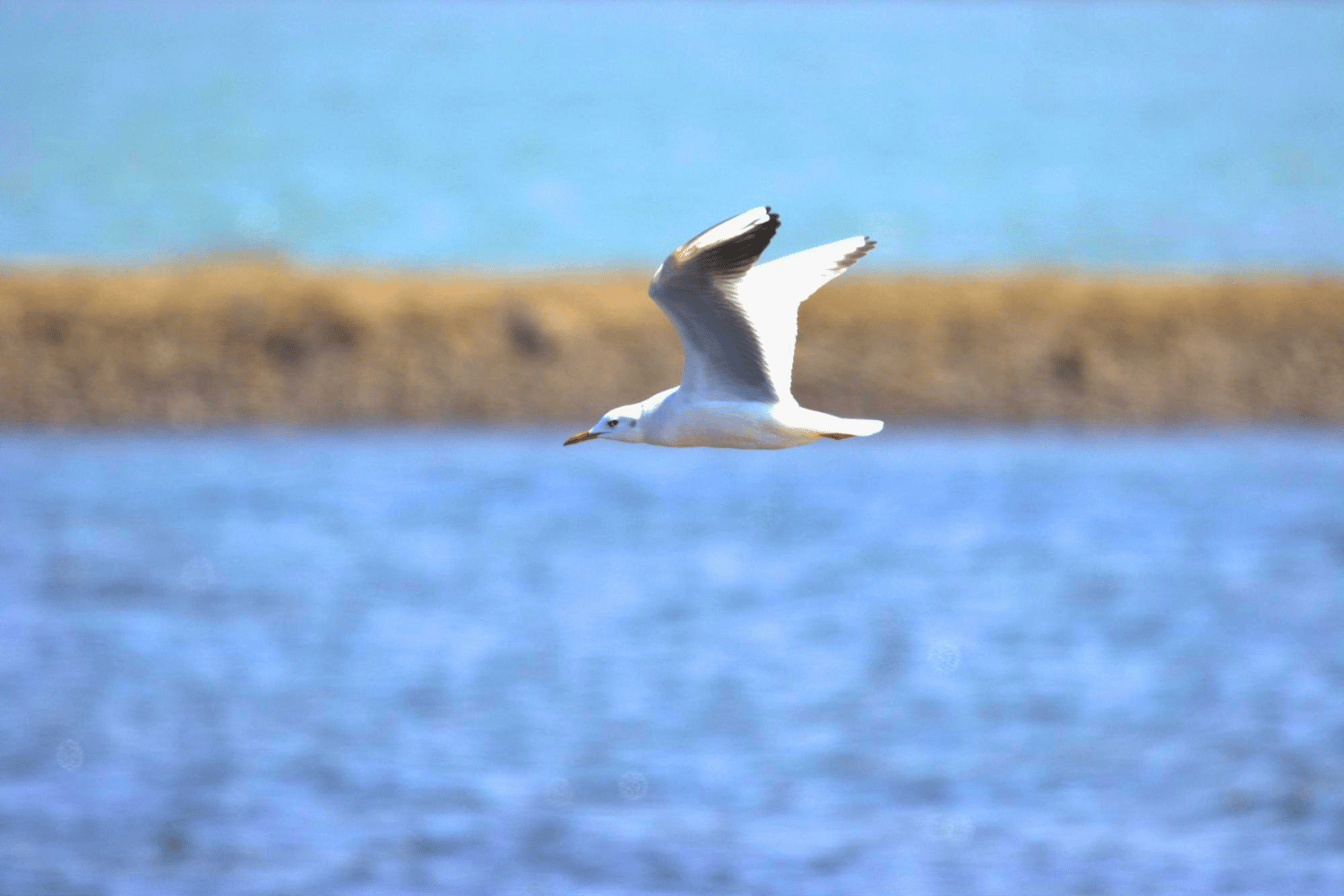
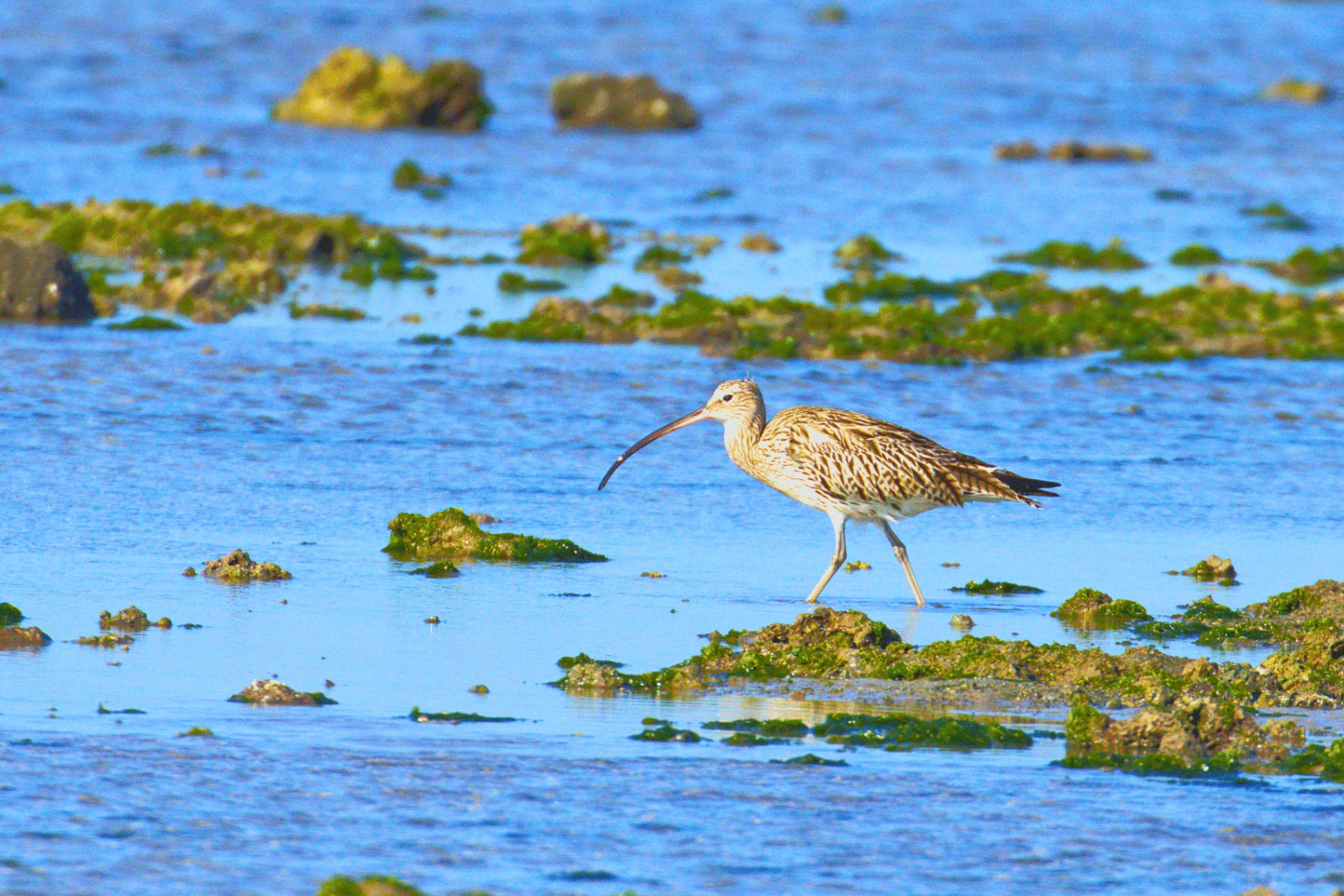
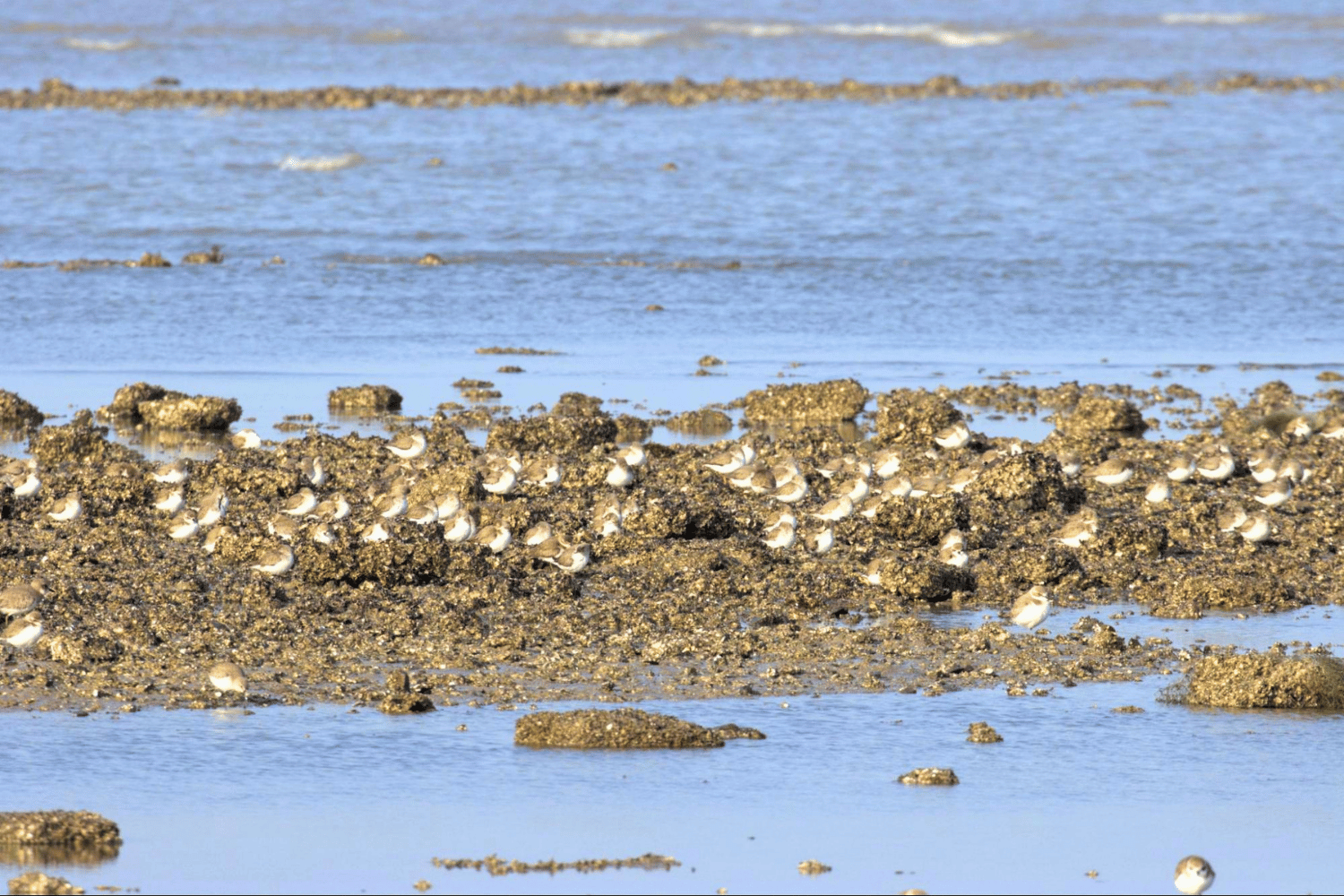
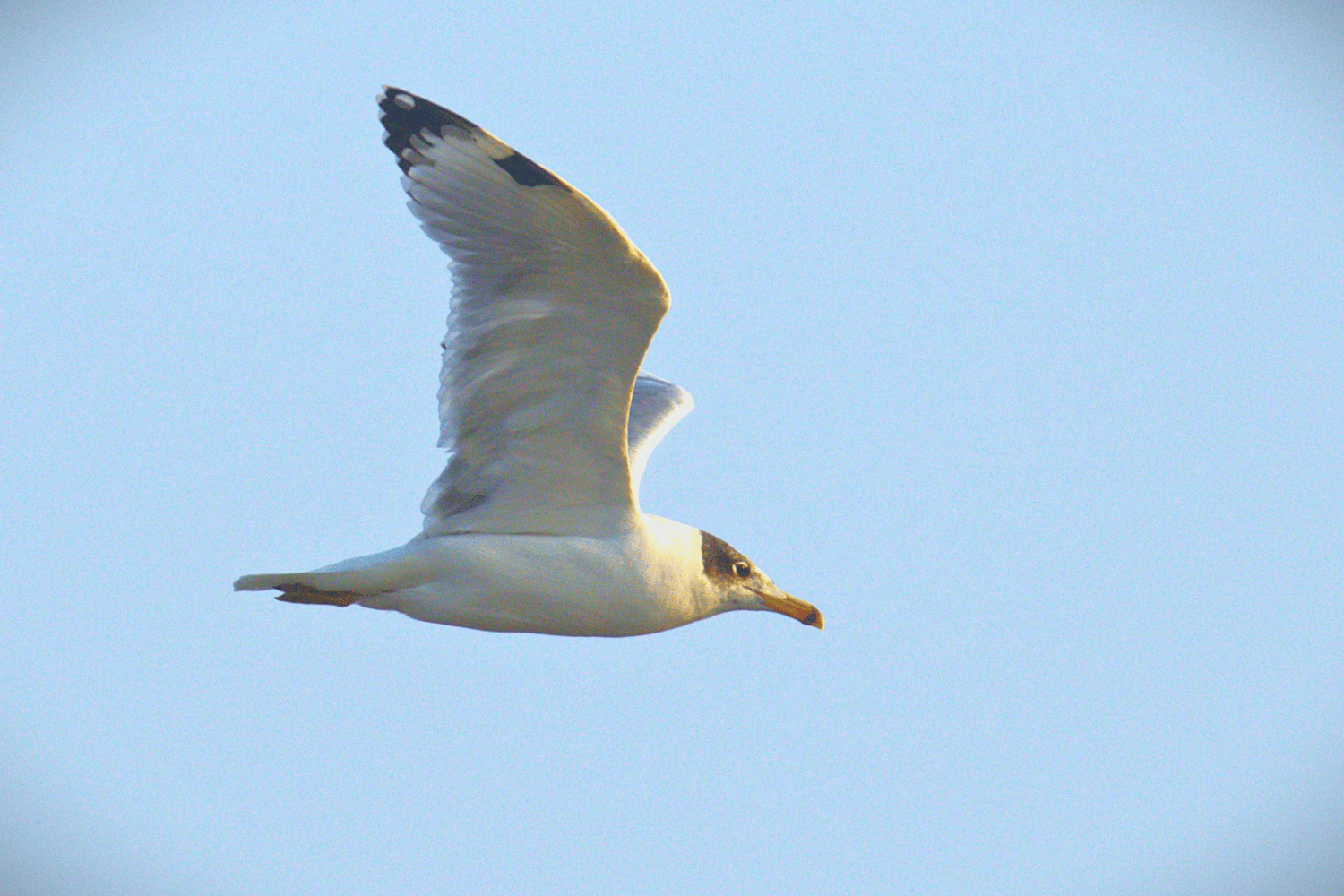
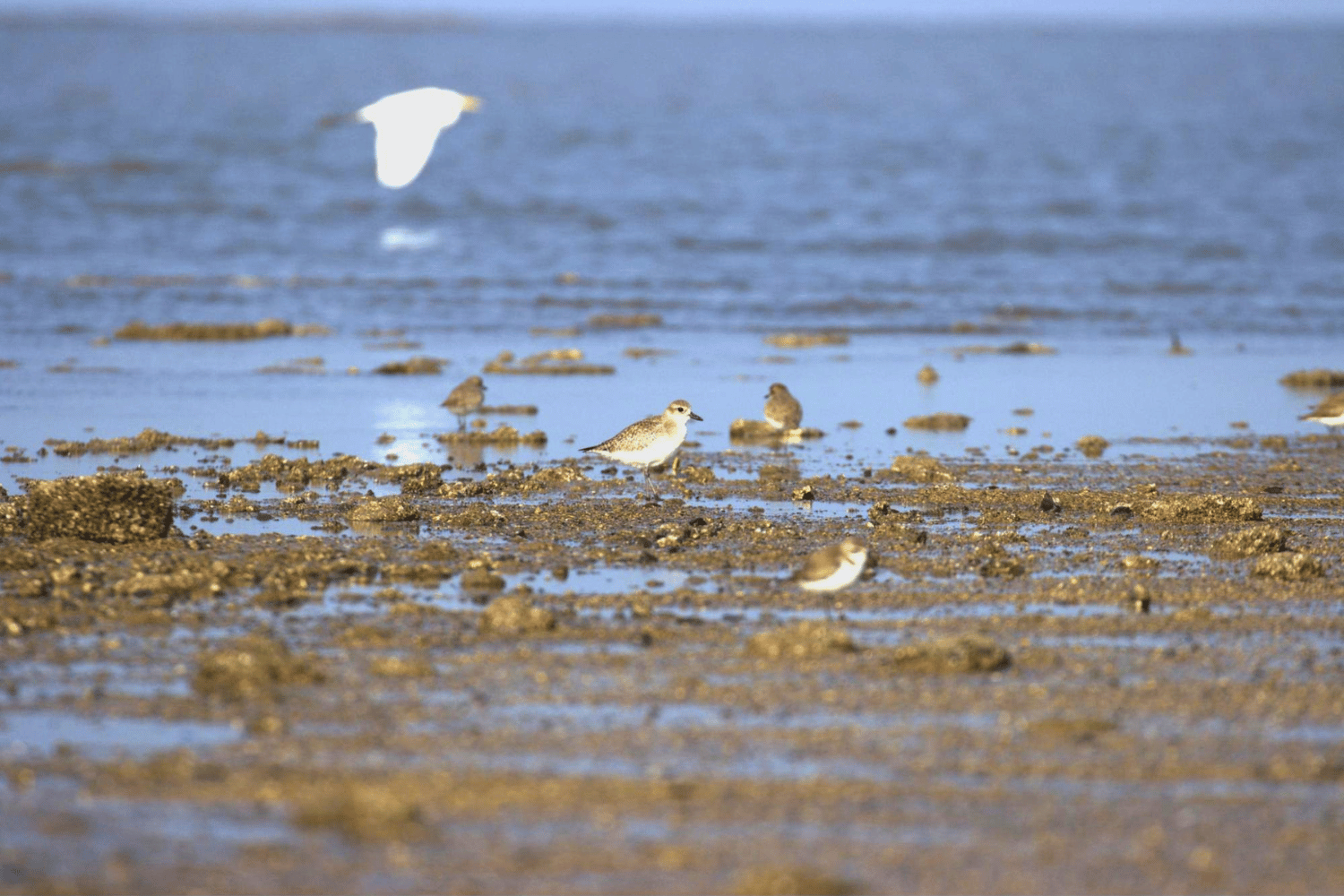
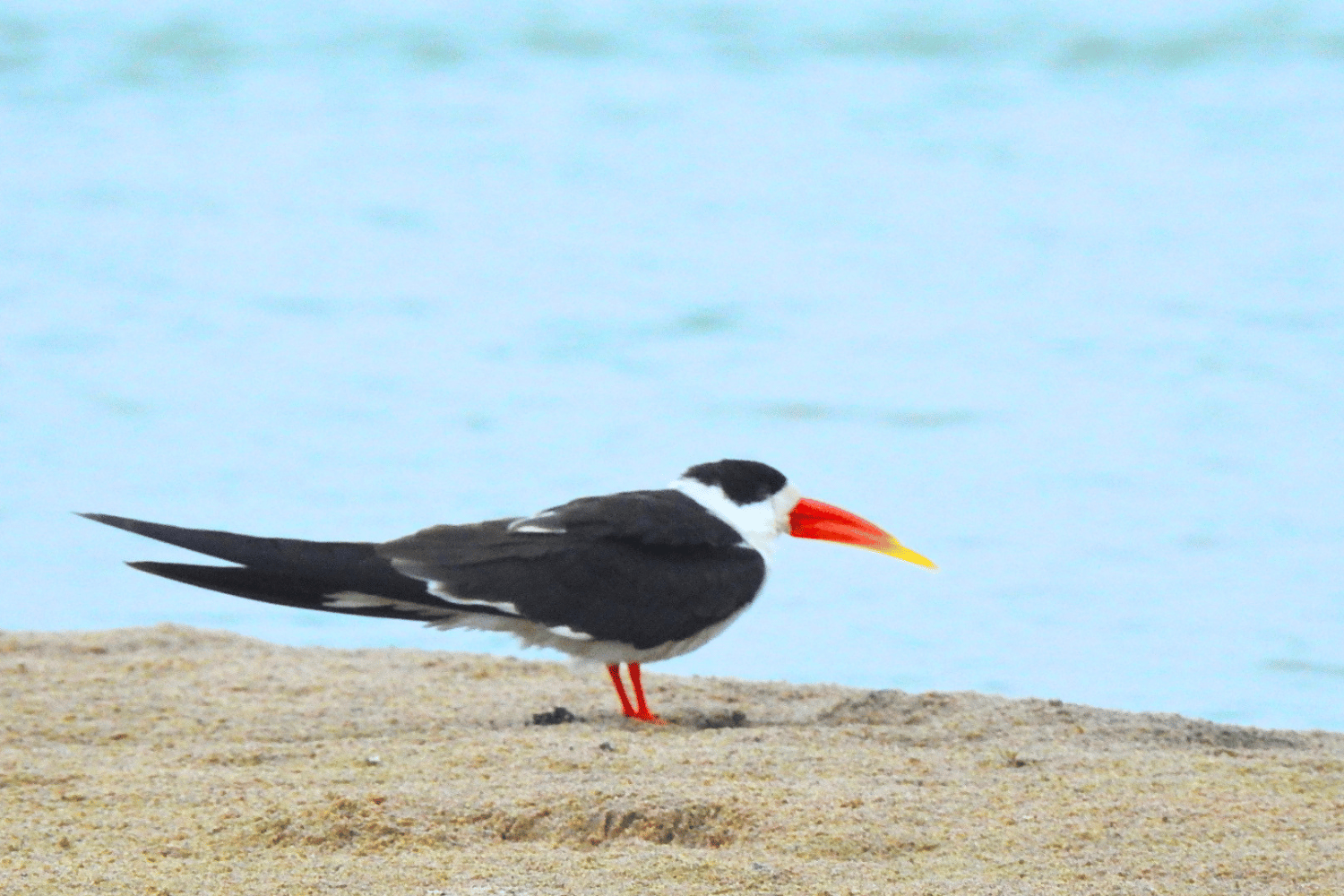
At Bedi Port, after intense scanning, we successfully located Indian Skimmer—another key highlight of the tour. We also recorded Dalmatian Pelican and Western Reef Heron, among many others.
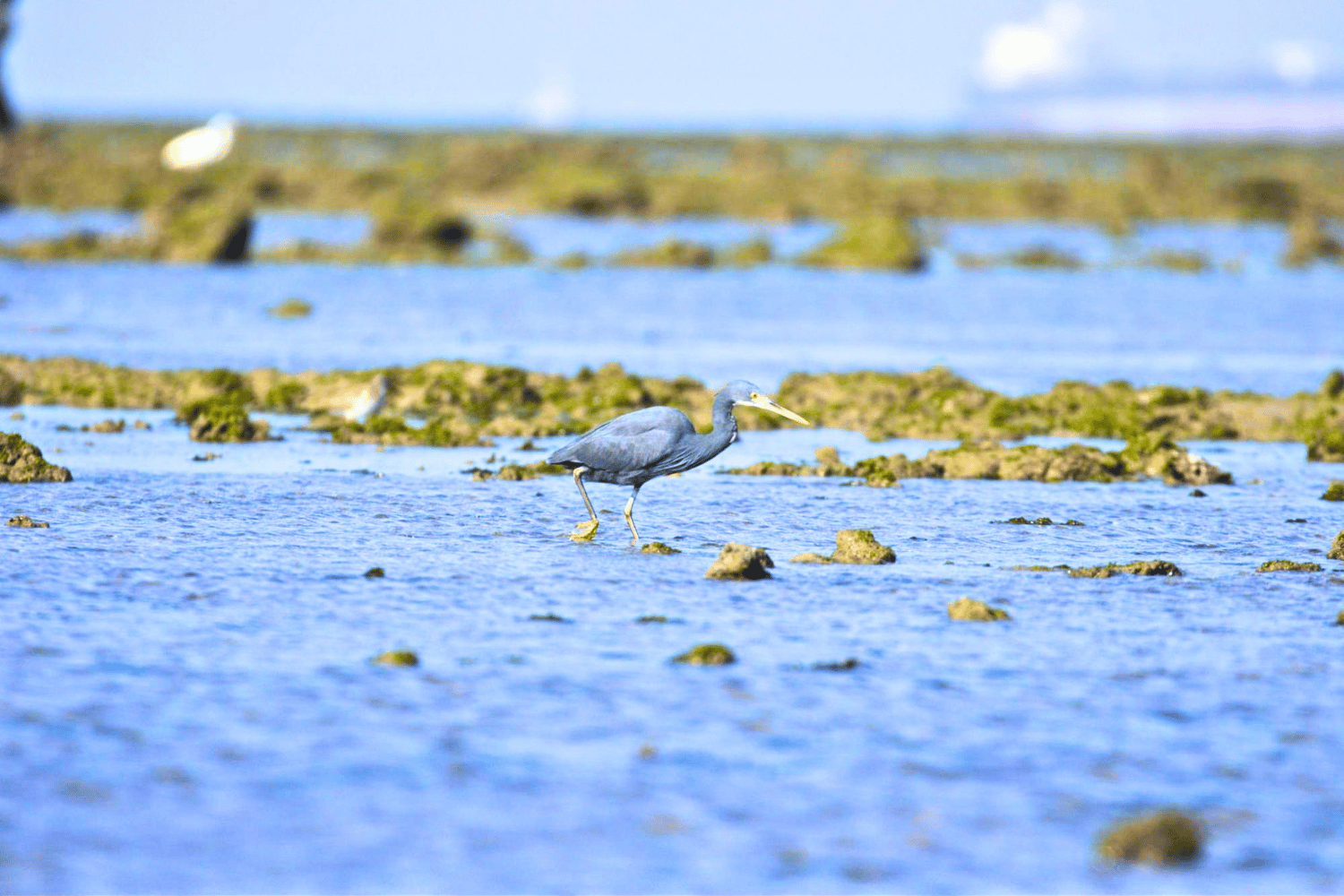
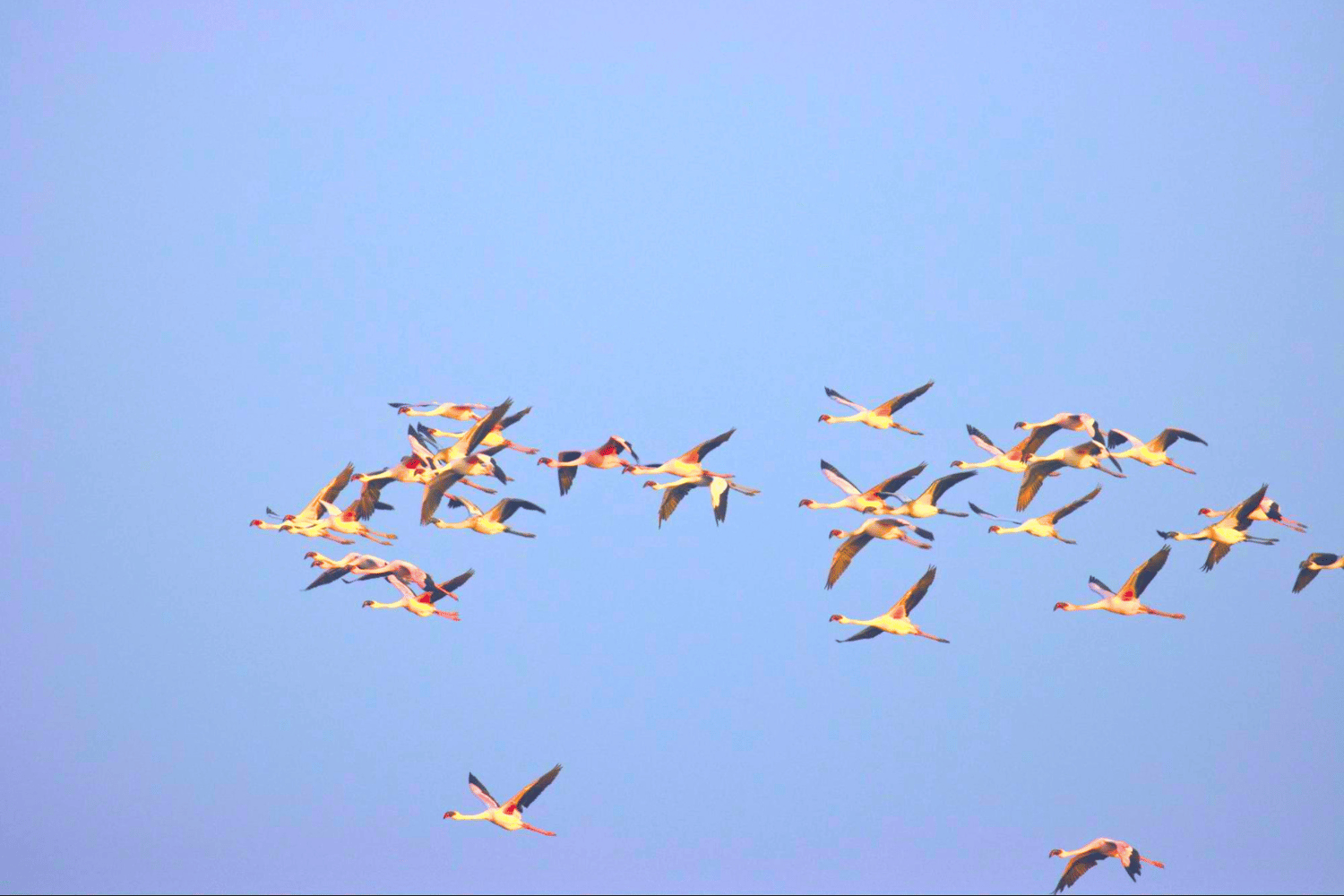
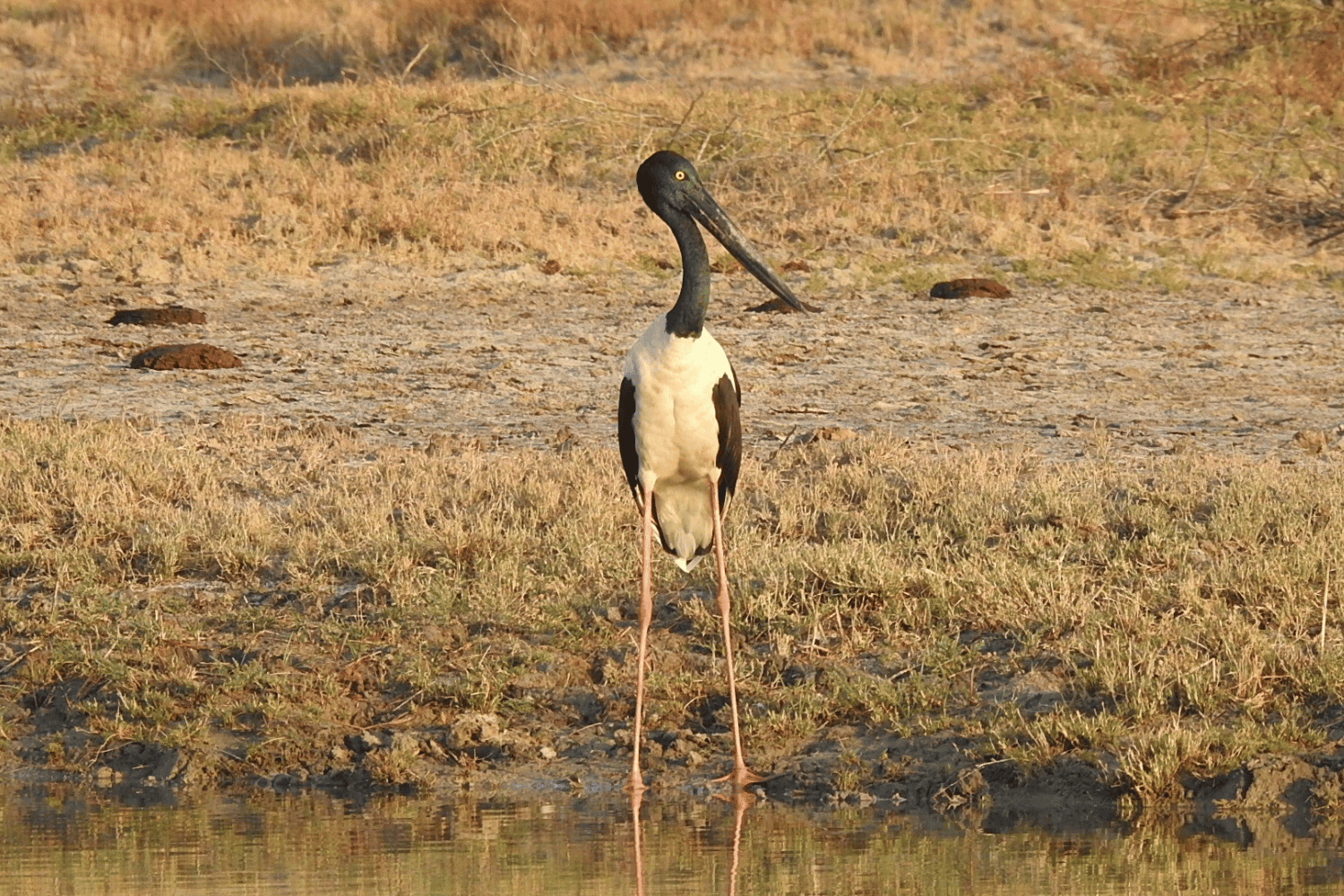
An evening visit to Khijadia Bird Sanctuary added Clamorous Reed Warbler, Blyth’s Reed Warbler, Lesser Flamingo, Black-necked Stork, and Striated Heron to our list. Jamnagar’s coastal biodiversity was simply outstanding.
The Kingdom of Lions – Gir National Park
From wetlands and deserts, we moved to the legendary forests of Gir—the only home of the Asiatic Lion in the wild.
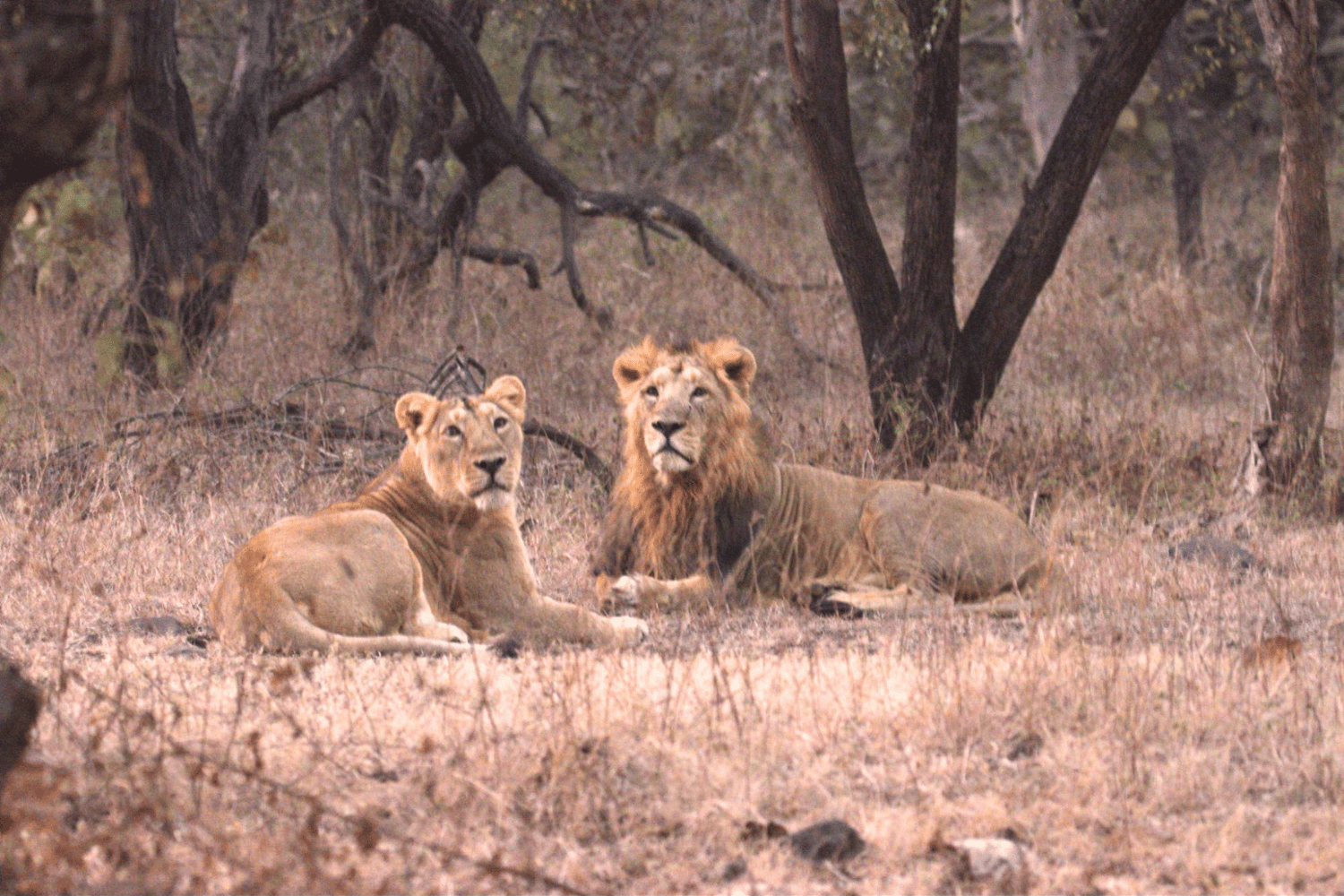 Asiatic Lion Male & Female
Staying at Gir Birding Lodge, located right along the park boundary, added to the excitement. Alarm calls of deer echoed at night, and even leopards are known to visit the area.
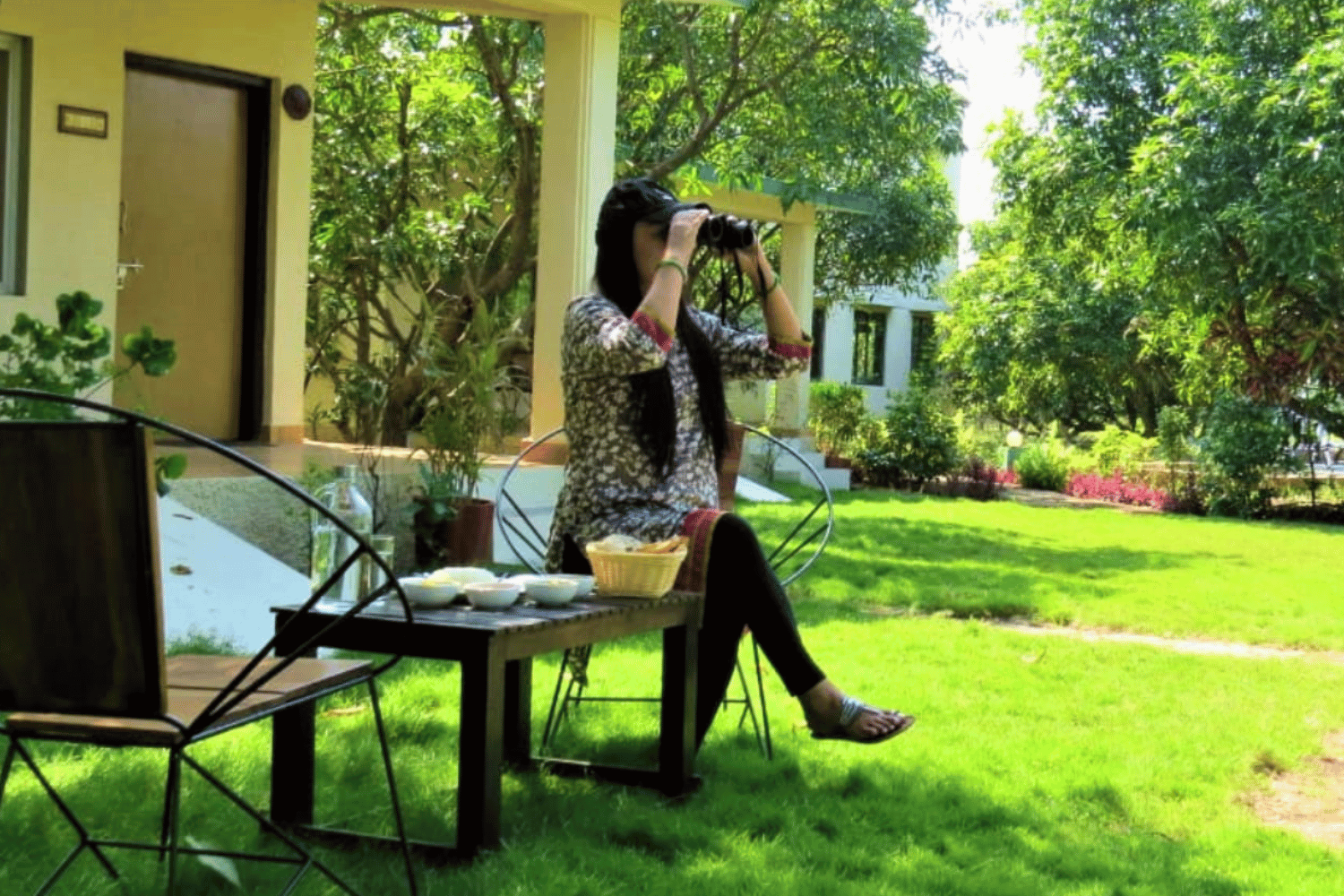 Gir Birding Lodge
With four safaris scheduled, luck was completely on our side—not a single safari went empty. Over the course of our stay, we saw an incredible 23 lions, including cubs, sub-adults, adult females, and majestic males. It was a breathtaking experience to observe these powerful cats in their natural habitat.
Today, Gir supports a population of around 800 lions, making it one of the greatest conservation success stories in the world.
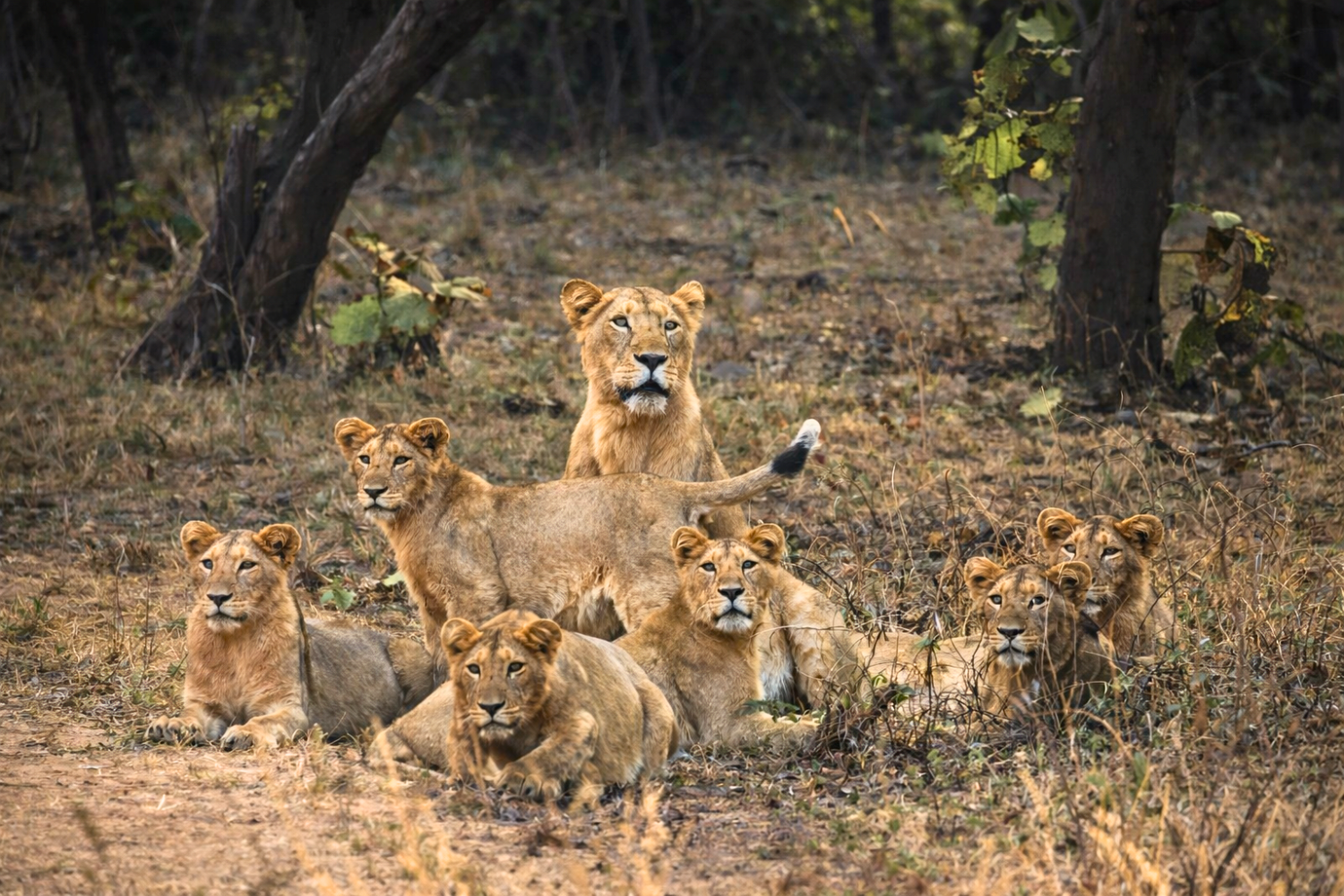 Asiatic Lion Male & Female
Grasslands of Velavadar Blackbuck National Park – The Grand Finale
Our final destination was Velavadar, famous for its grassland ecosystem and harrier roosts. Timing was crucial, as we wanted to arrive in time for lunch before heading out for exploration.
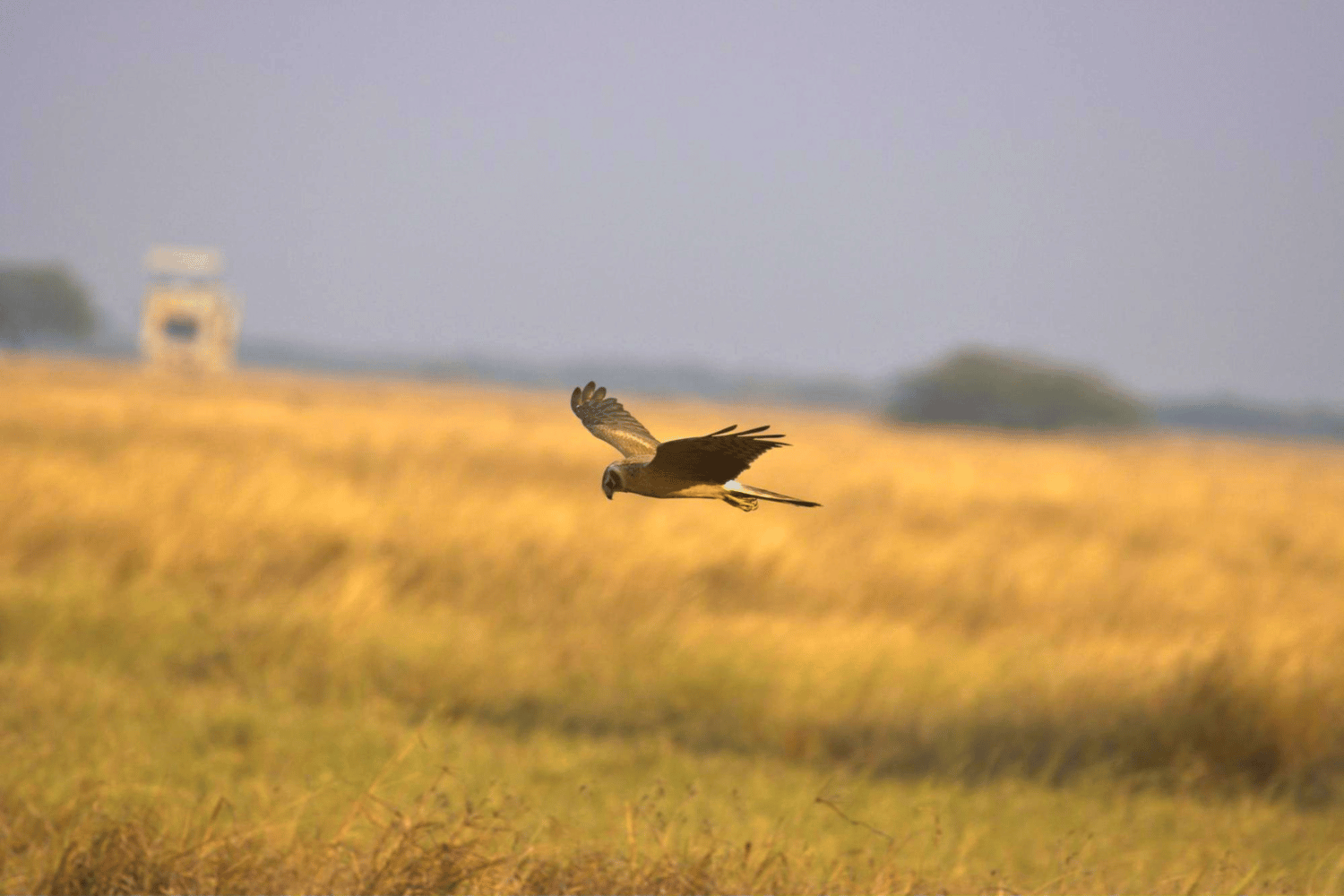 Velavadar National Park
Velavadar is India’s premier harrier roosting site. As dusk approached, Montagu’s Harrier, Pallid Harrier, and Western Marsh Harrier gathered in impressive numbers. The park is also well-known for its thriving Blackbuck population, which we saw in abundance.
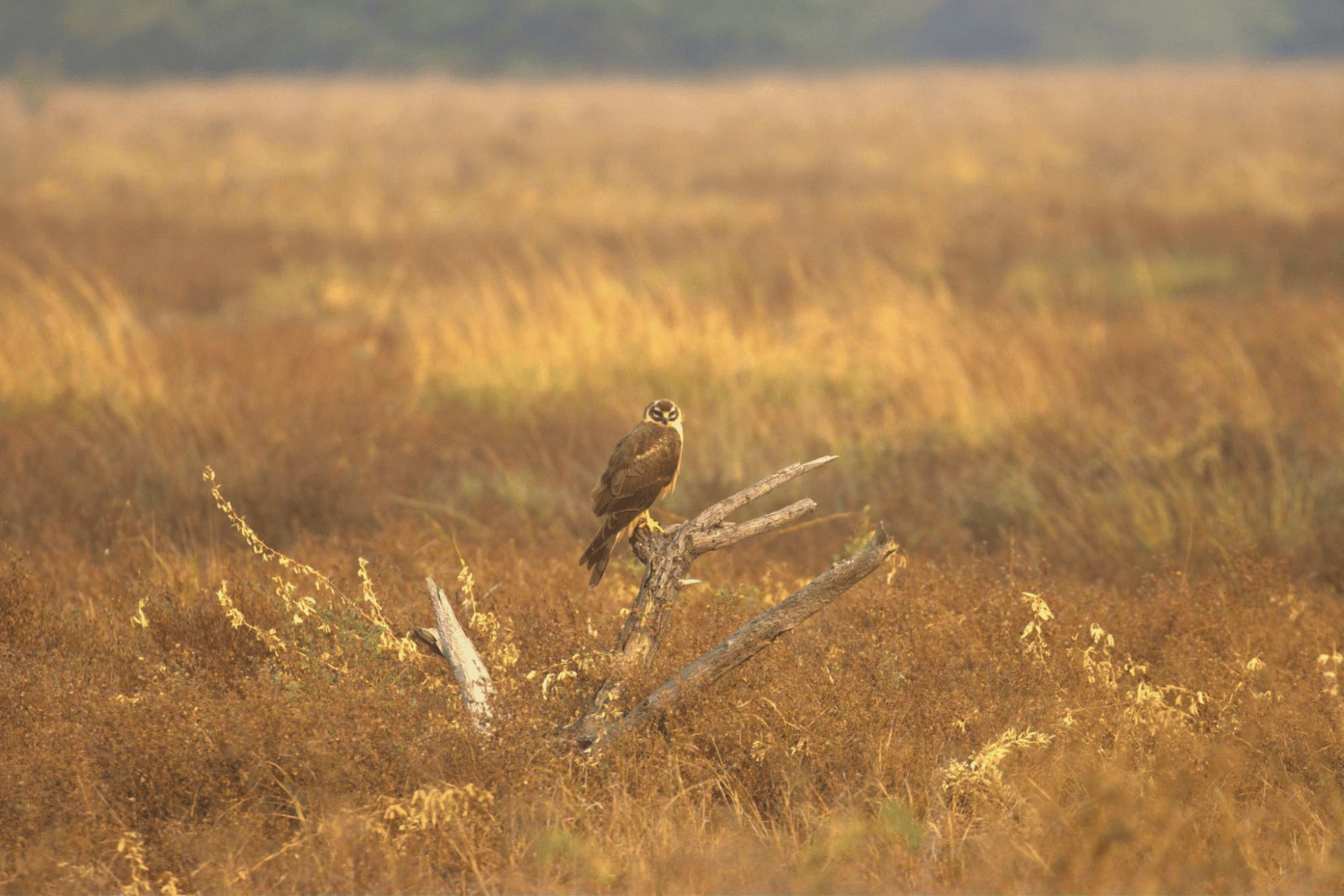
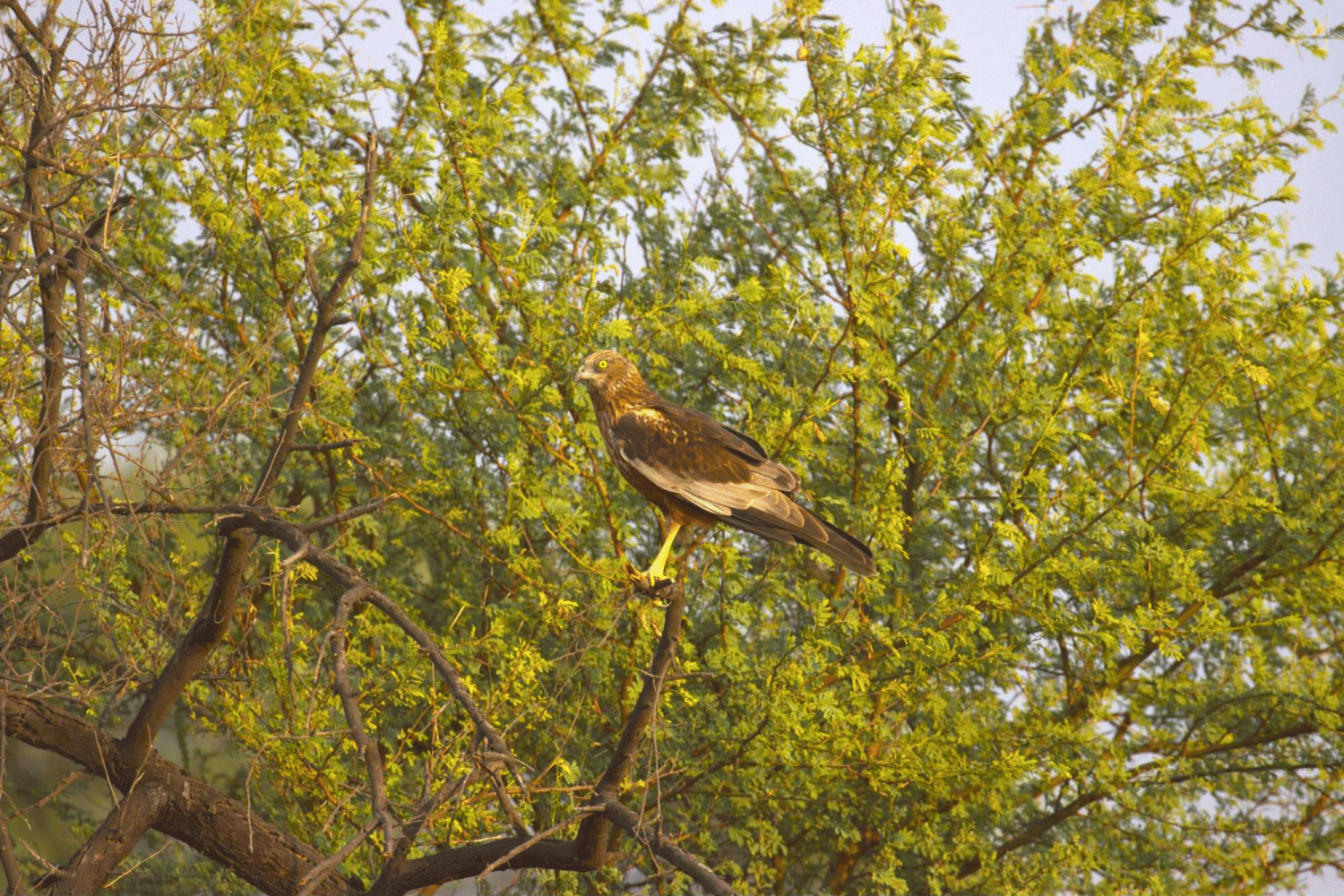
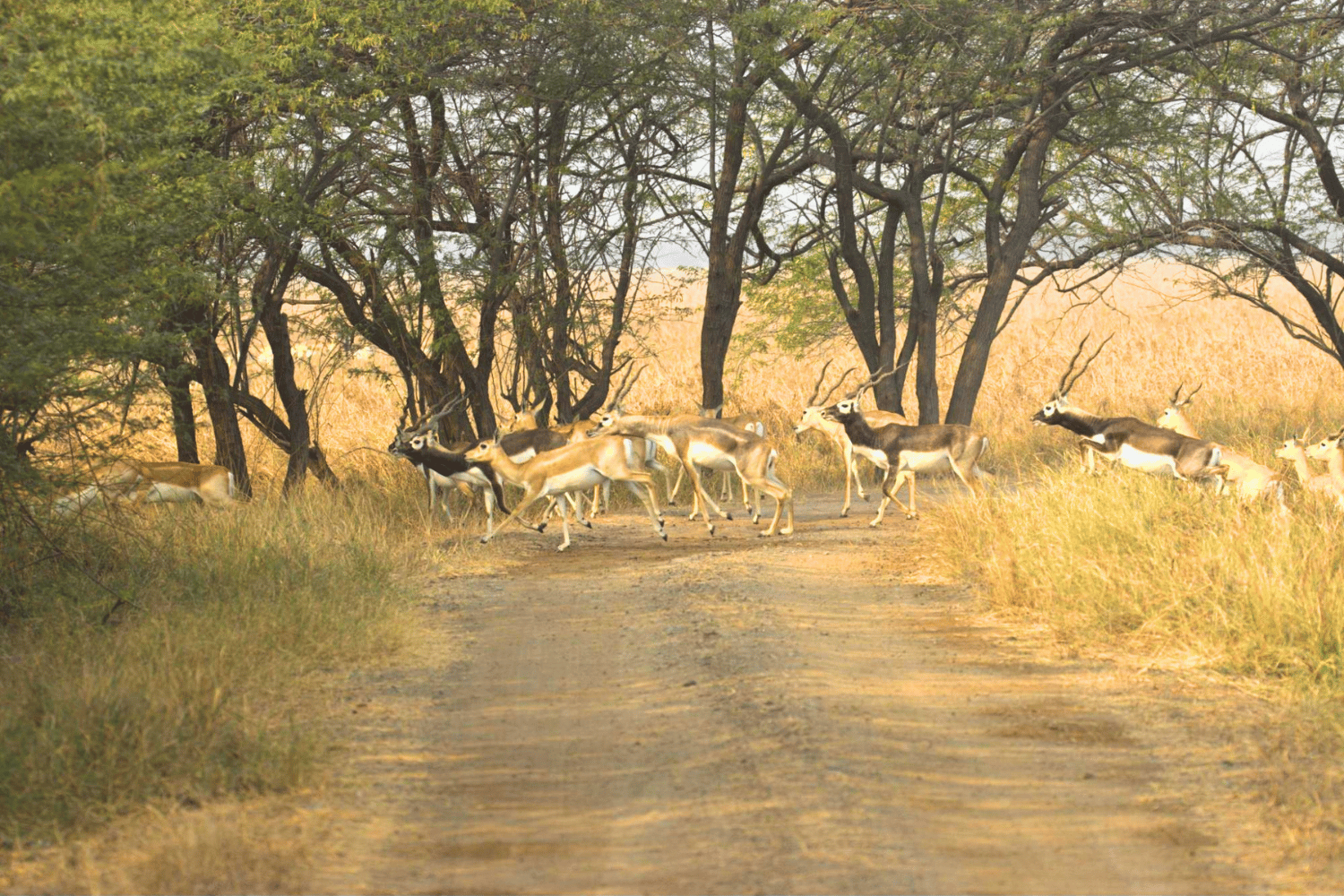 Blackbuck
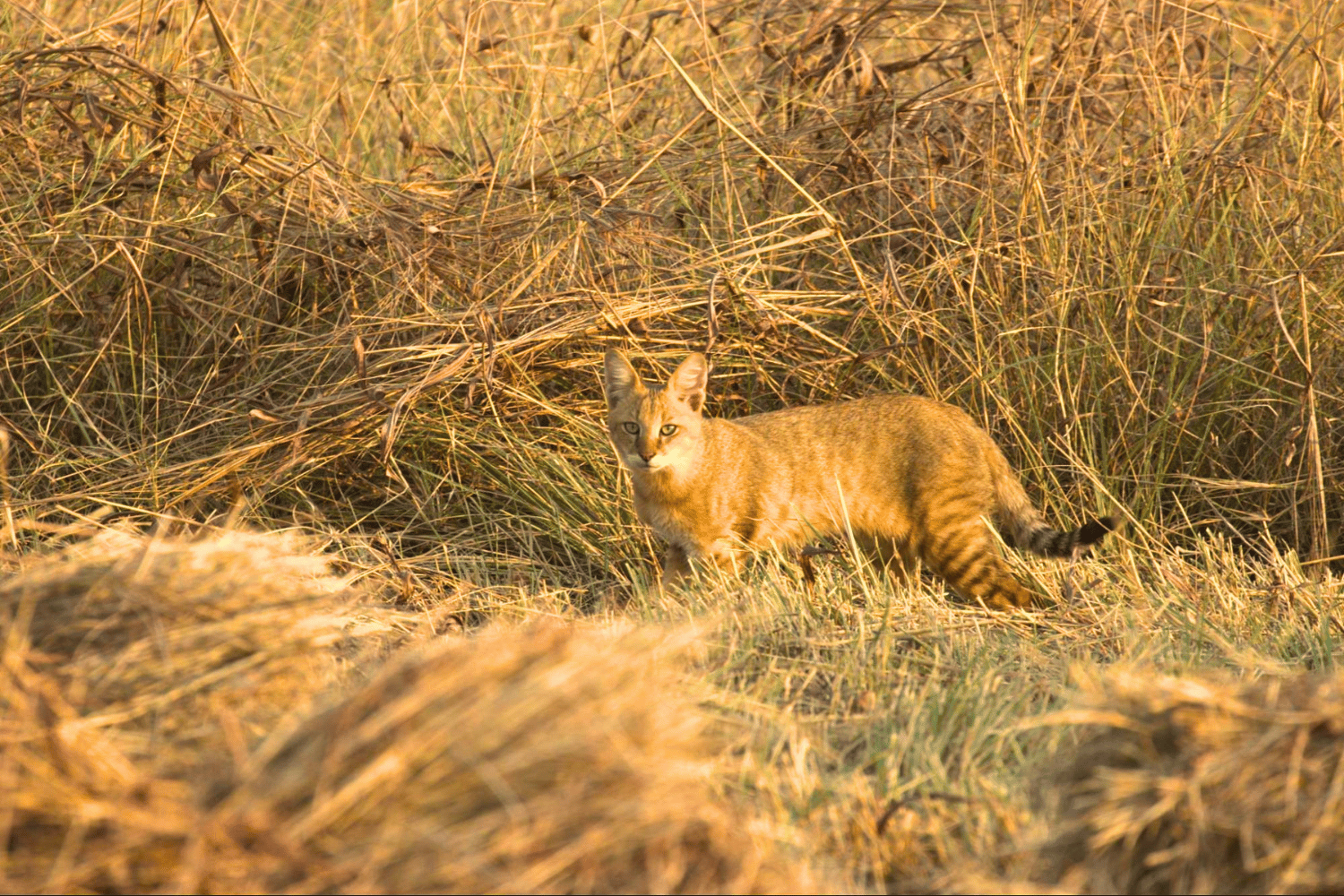
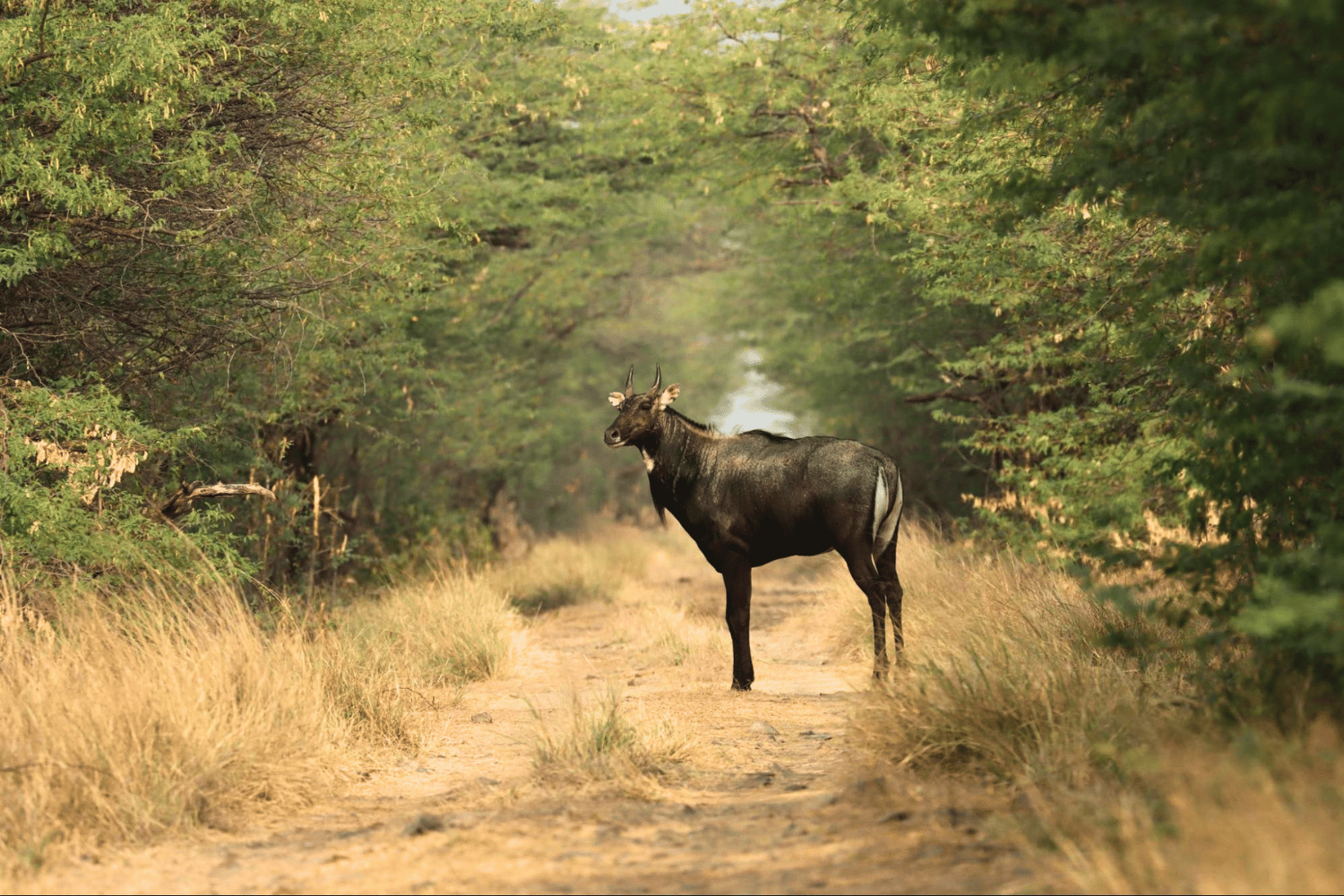
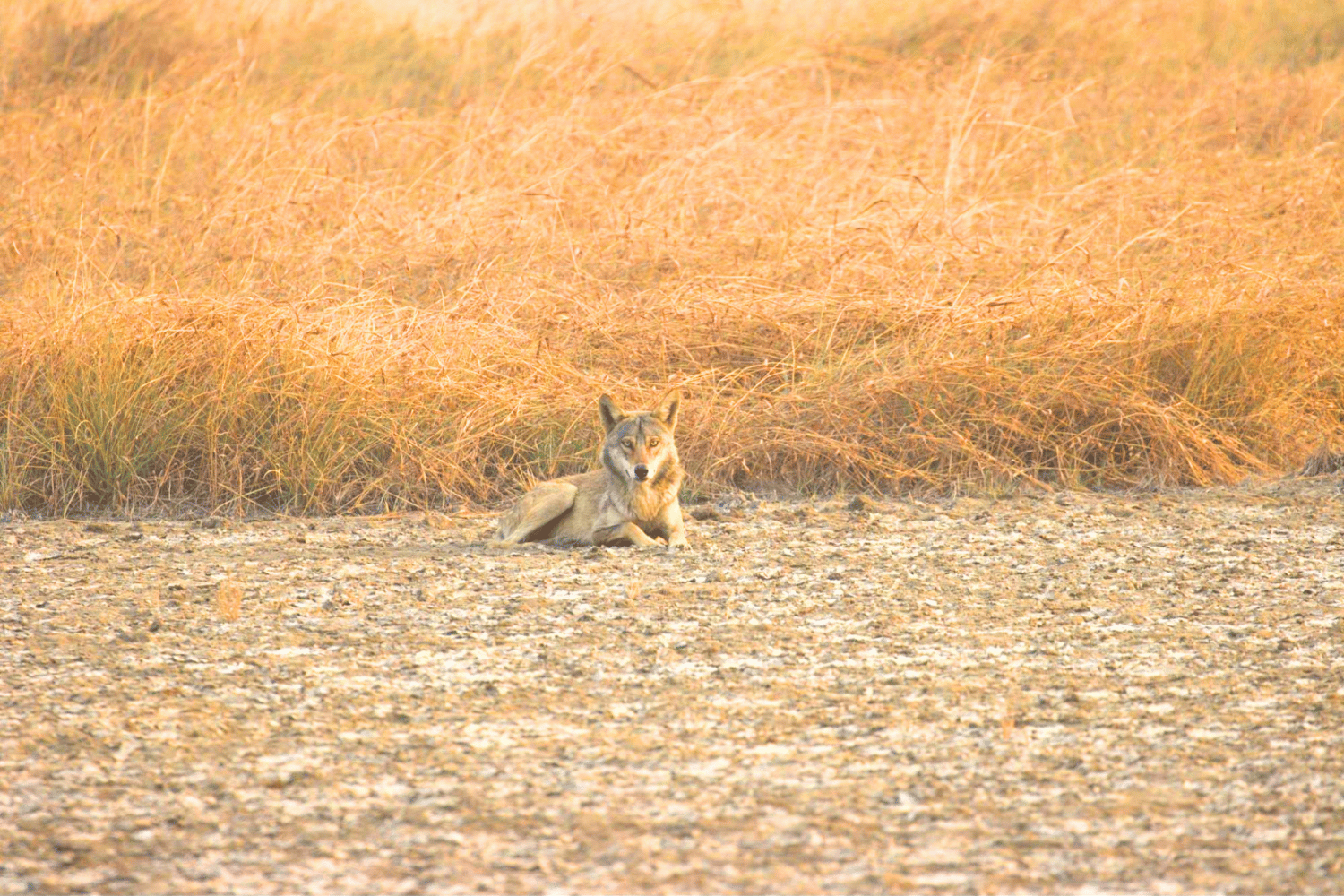
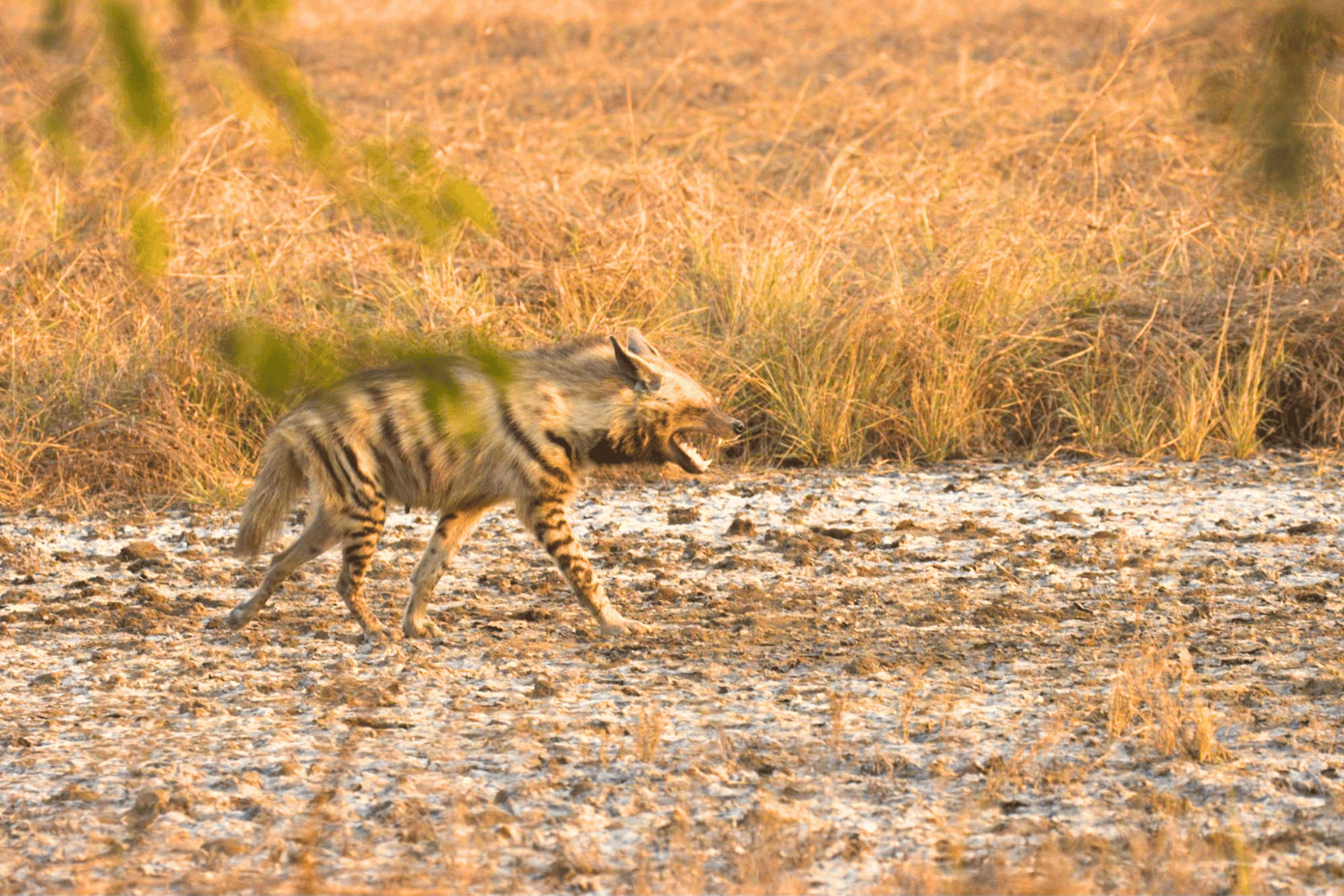
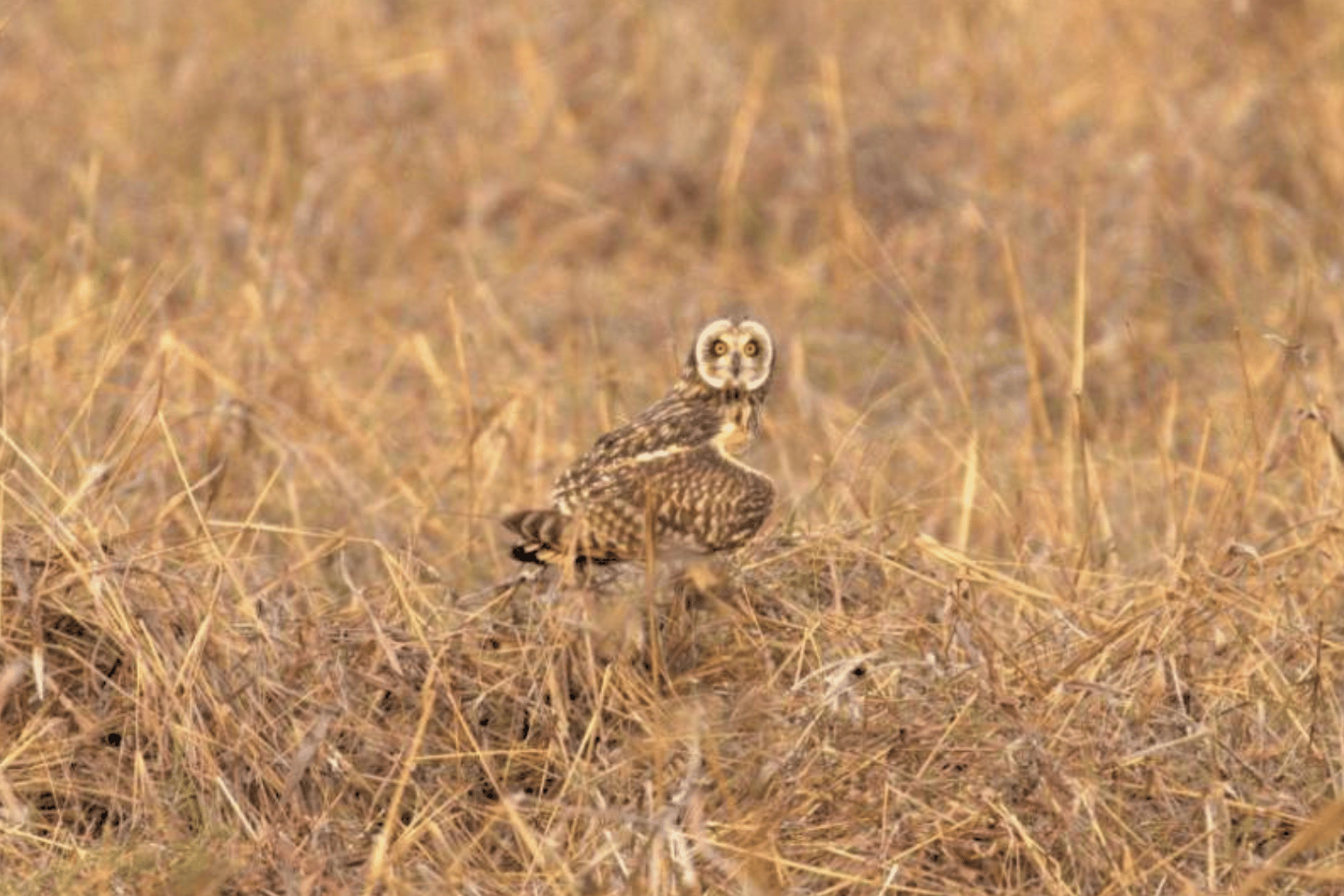
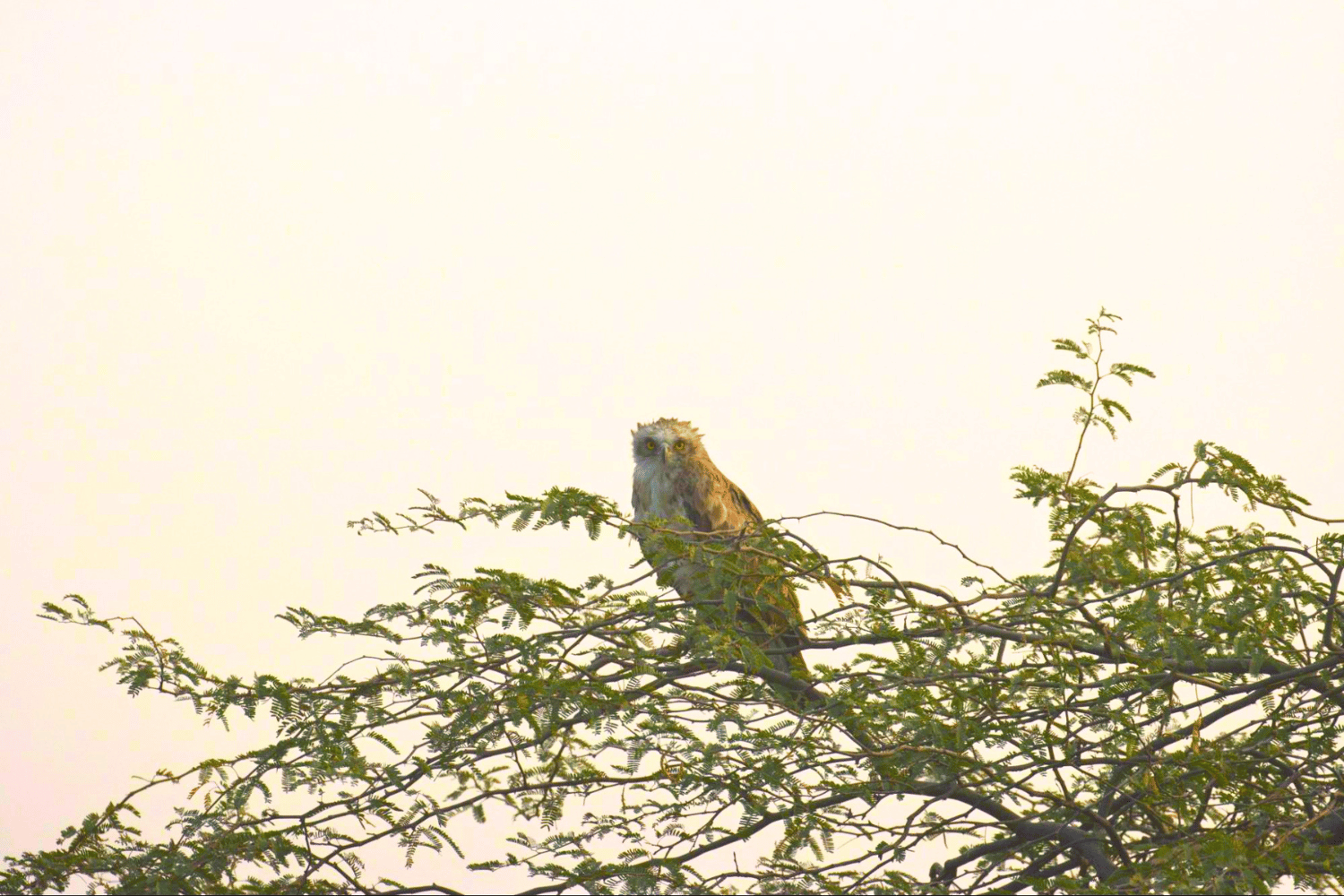
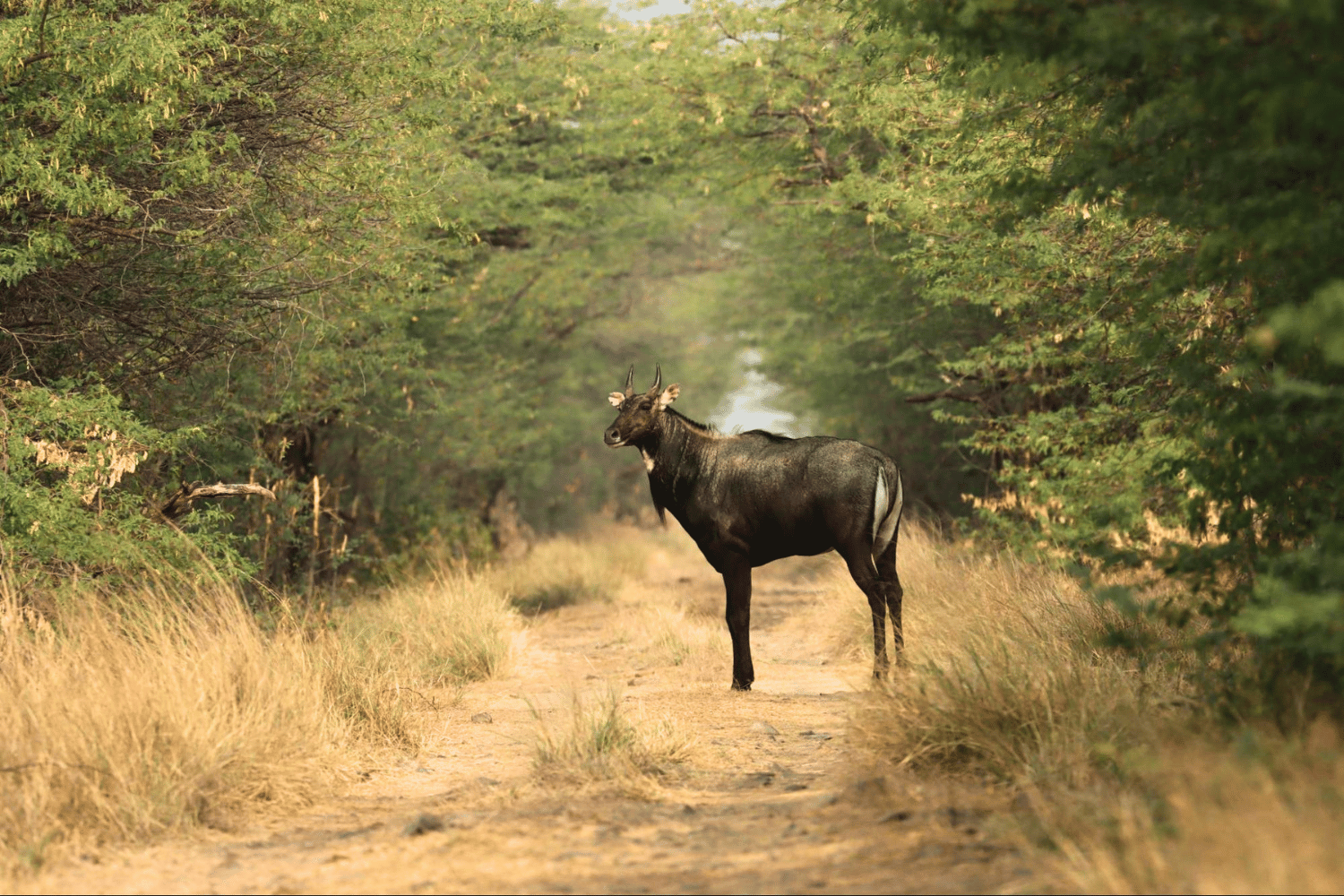
Other mammal highlights included Jungle Cat, Nilgai, Indian Wolf, Striped Hyena, and Golden Jackal. Birdlife featured Short-eared Owl, Short-toed Snake Eagle, Long-billed Pipit, Common Crane, and many grassland species.
Watching harriers descend gracefully into the grasslands as the sun set was the perfect conclusion to our journey.
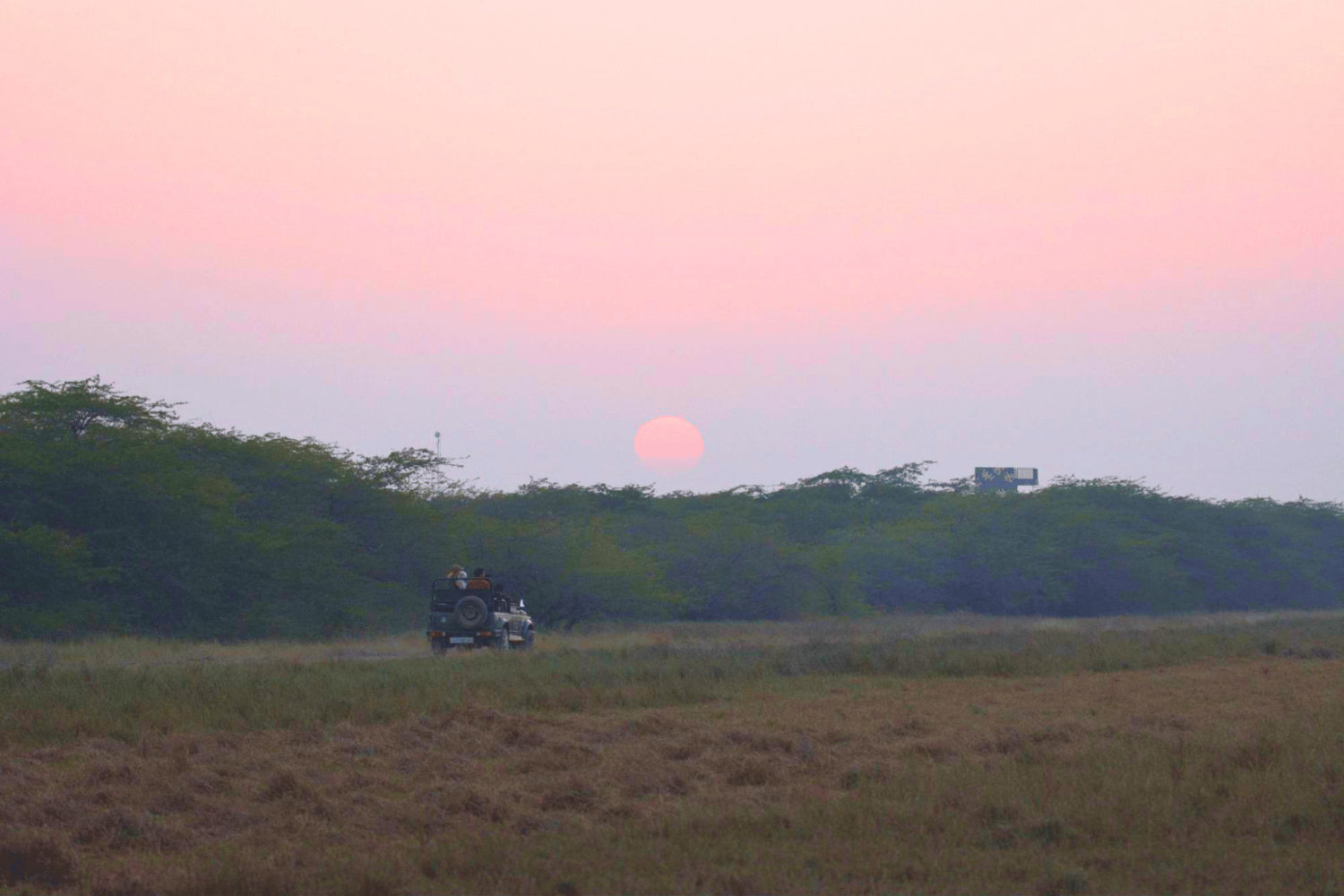 Sunset In Velavadar National Park